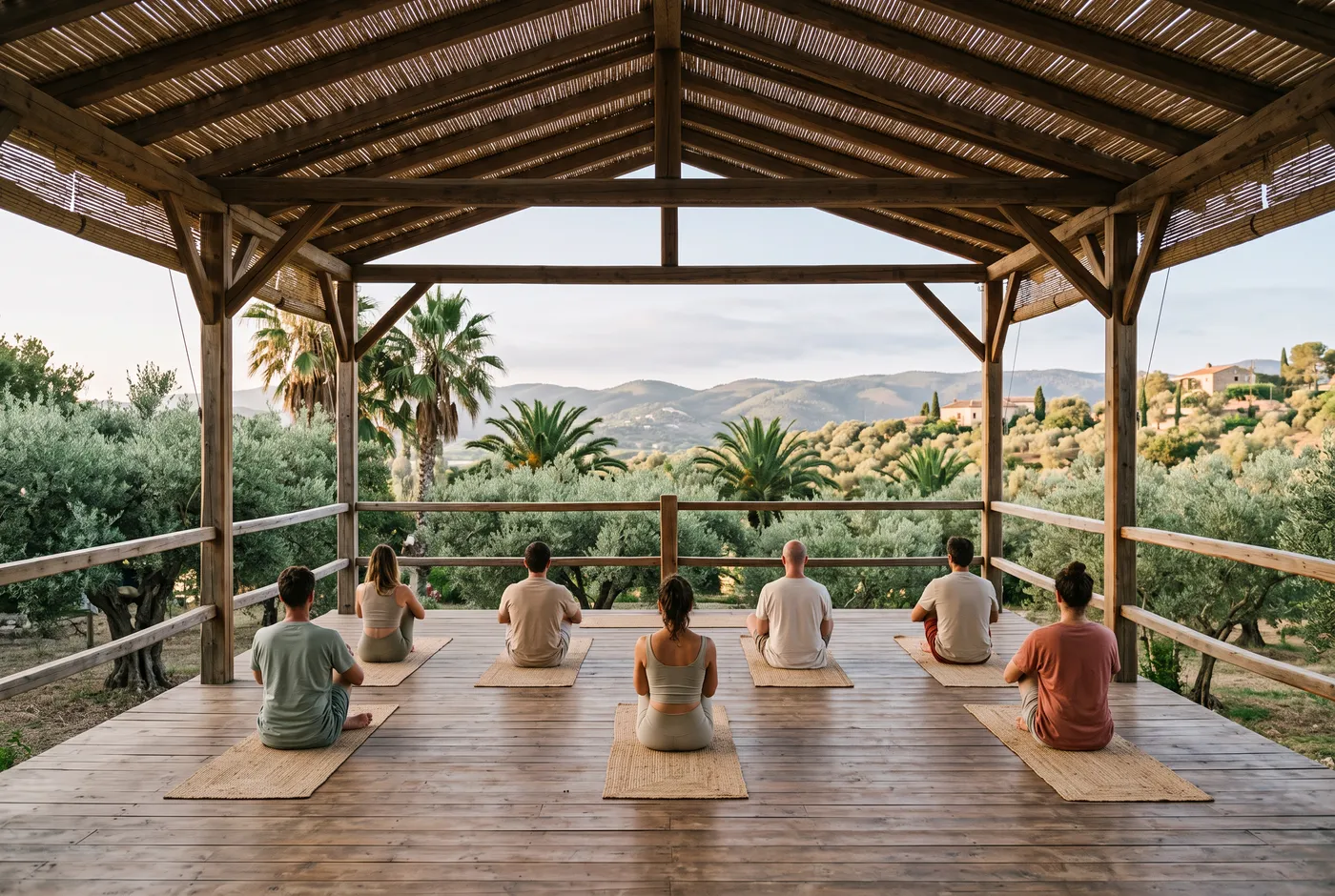
Yoga retreats
A yoga retreat is a week with a shape: practice in the morning, long unhurried middays, a slower class before dinner. Here is how to pick one that fits your body and your idea of rest.
Good for
- Beginners who want daily practice without pressure
- Solo travellers who like easy company
- Anyone who wants structure with free afternoons
- Regular practitioners ready to go deeper
Maybe not for
- People who want complete silence and solitude
- Anyone who dislikes group classes and shared meals
A typical day
- Breathing practice, a short sitting and a 90-minute flow
- Late breakfast or brunch
- Free time: beach, walk, massage or a nap
- Light lunch, often optional
- Workshop on a theme such as alignment or breath
- Slow evening class: yin, restorative or yoga nidra
- Dinner, usually vegetarian, then an early night
What a yoga retreat is
A yoga retreat is a holiday built around a daily practice. You stay in one place, usually for five to seven nights, and attend one or two classes a day led by the same teacher or a small team. Meals are included, often vegetarian, and the rest of the day is yours. That last part matters more than brochures suggest: the long, empty middays are where most people actually rest.
It is not a teacher training, and it is not a fitness camp. A good retreat meets a mixed group where it is, with options for every pose and no pressure to keep up. If you have never been, our guide to your first yoga retreat walks through the week day by day.
What actually happens during the week
Mornings usually start between 07:00 and 08:00 with breathing practice, a few minutes of sitting and a longer, more active class, often 90 minutes of vinyasa or hatha. Breakfast comes after, not before, because practising on a full stomach is uncomfortable. Afternoons are free. In the late afternoon there is a slower class: yin, where poses are held for several minutes; restorative work with bolsters and blankets; or yoga nidra, a guided relaxation lying down.
Expect some stiffness on day two or three as your body adjusts to practising twice a day. By the middle of the week the rhythm usually feels natural. Many retreats keep one afternoon or a whole day free for an excursion, and some add massage, cooking classes or a sound bath at extra cost. Ask what is included before you compare prices.
How to choose a good one
Style matters more than location. Vinyasa is flowing and warming; hatha is slower, with poses held longer; yin is passive and quiet; alignment-based classes work precisely with props; Ashtanga follows a set, demanding sequence. If a listing only says “yoga for all levels”, ask which style the teacher actually teaches.
- Group size: eight to sixteen people lets the teacher see everyone. Above twenty, classes start to feel like a gym session.
- The practice space: covered, quiet, shaded or heated depending on season, with enough mats, blocks, straps and bolsters for everyone.
- A real schedule: times, class styles and what is optional, published before you book.
- Health questions at booking: a short form about injuries, pregnancy and conditions shows the teacher plans to adapt.
- Clear cancellation terms and a named person you can reach before you pay.
Be wary of retreats that promise detoxing, healing or a new you in seven days. The useful ones promise a schedule, a teacher and a place to rest. If you would rather sit than stretch, a meditation retreat may suit you better; if you want to walk as well, look at hiking and yoga weeks.
Who teaches, and what credentials mean
Yoga teaching is not a regulated profession in most countries. The common entry-level qualification is a 200-hour teacher training; 300 or 500 hours means further study. These numbers describe hours of training, not ability, and listing in a yoga directory is usually self-declared. What you really want to know is how long the teacher has taught groups, whether they have led retreats before, and whether they have trained in anatomy and in teaching people with injuries.
Ask directly. A good teacher will tell you their background, who the classes suit and when they would advise you to skip a pose. Hands-on adjustments should always be optional; many teachers now ask at the start of class.
Practicalities: length, packing and cost
Five to seven nights is the usual format. A long weekend gives you a taste; a week lets the rhythm settle. Spring and autumn are the most pleasant seasons around the Mediterranean, while Thailand is most comfortable from roughly November to February. Pack layers for cool mornings, clothes you can move and sit in, a light shawl for relaxation, a refillable bottle and a book. Most venues provide mats. Our packing list generator builds a checklist for your season.
As a rough guide in 2026, a week in Europe typically costs roughly €800 to €2,000 per person in a shared room with meals, plus flights. Single rooms often add €150 to €500 a week, and remote or luxurious venues go well beyond that. Compare the other retreat types if you are still undecided, or send us your wishes and we will suggest a few.
Safety and when to ask a doctor
Tell the teacher about injuries, recent surgery, pregnancy or anything else that affects how you move, ideally before you arrive. Talk to your doctor first if you have a heart or blood-pressure condition, are pregnant, or take medication affected by heat or exertion, and take care with strong breathwork and hot rooms. Pain is a signal to stop, not to push through. A good class lets you rest in child’s pose whenever you like.
The best retreat is the one where nobody minds if you skip the afternoon class.
Questions people ask
Do I need to be flexible for a yoga retreat?
No. Flexibility is a result of practice, not an entry requirement. A good teacher offers variations and props for every pose, and most groups mix complete beginners with regular practitioners. Mention any stiffness or injuries when you book so the teacher can plan.
Can I go on a yoga retreat as a complete beginner?
Yes, as long as the retreat says it welcomes beginners and the main style is hatha, gentle vinyasa or yin. Ask how many classes a day are included and whether they are optional. Leave advanced or Ashtanga-focused weeks for later.
How many hours of yoga a day is normal on a retreat?
Usually two to four hours, split between a longer, more active morning class and a slower session in the late afternoon. Some retreats add meditation or workshops. Anything beyond that should be optional.
Is it fine to go on a yoga retreat alone?
Very much so; many guests travel alone. Shared meals and classes make it easy to talk to people, and nobody minds if you would rather keep to yourself. A single room costs more but gives you a quiet base.
How much does a yoga retreat cost?
As a rough guide in 2026, a week in Europe typically costs €800 to €2,000 per person in a shared room with meals, before flights. Venues in Asia can cost less on the ground, but long-haul flights add more. Always check what is included: classes, meals, transfers and treatments.
Places that suit yoga retreats
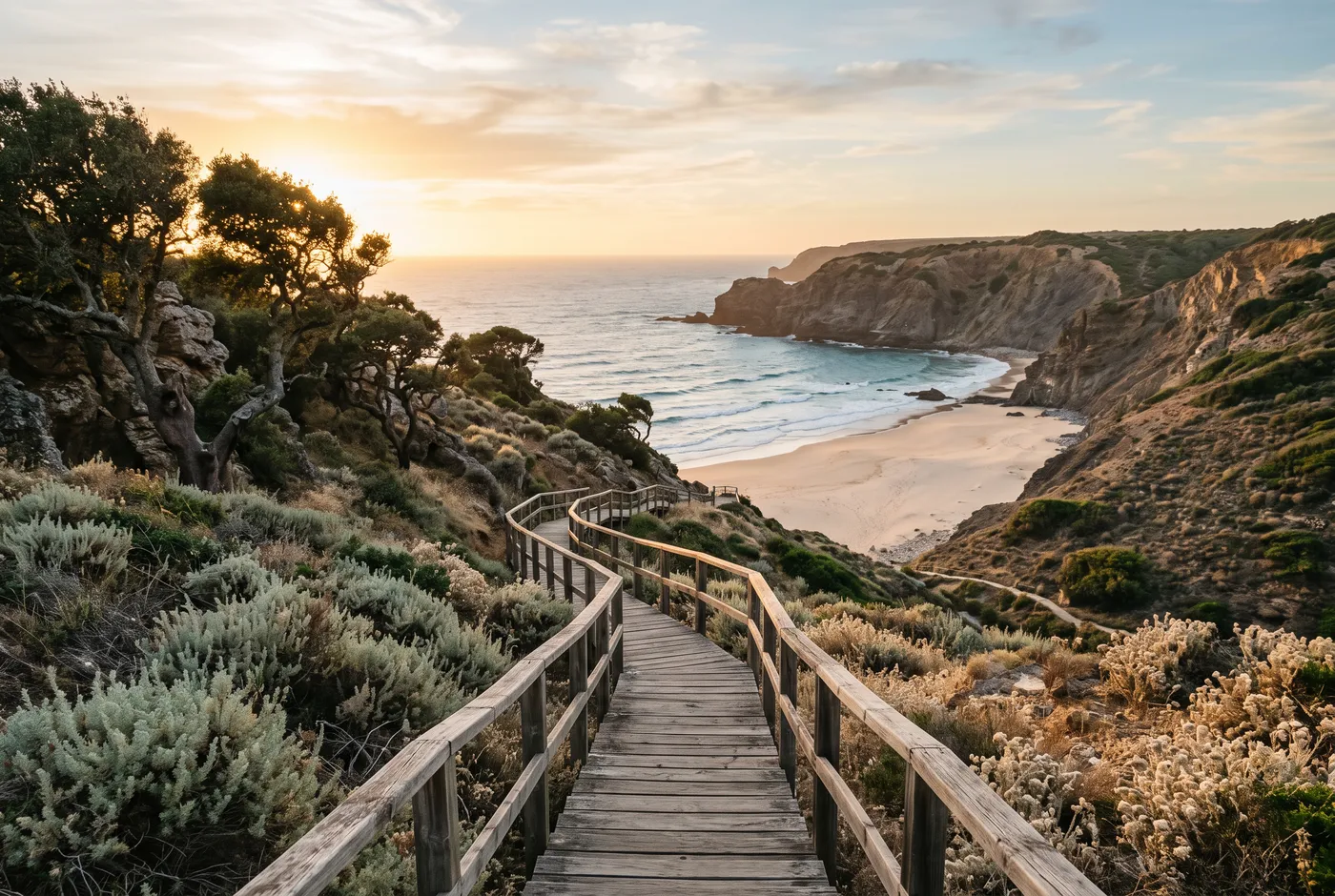

Portugal
Atlantic cliffs, cork-oak plains and surf-and-yoga mornings at an unhurried pace.
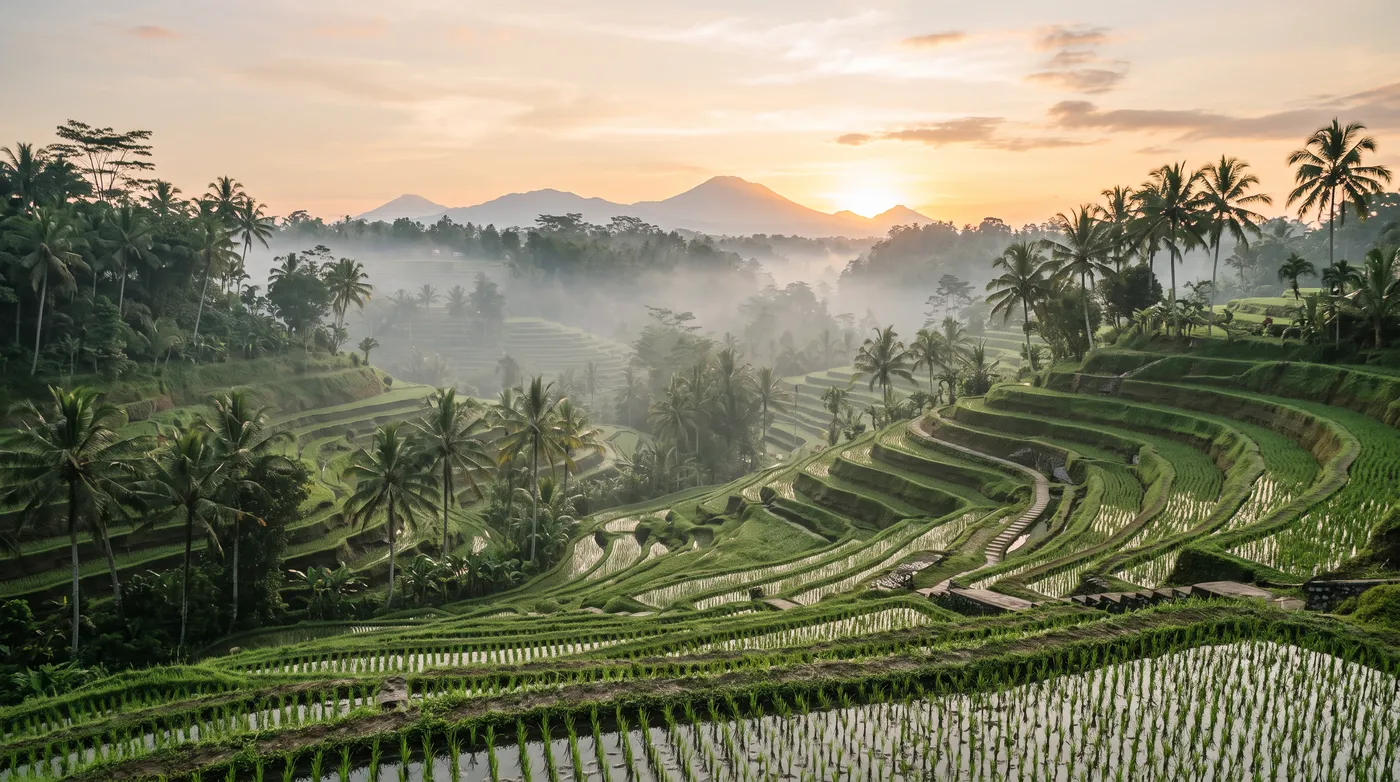
Bali
Dawn yoga above rice terraces, daily offerings and a deep retreat culture. Worth a longer stay.
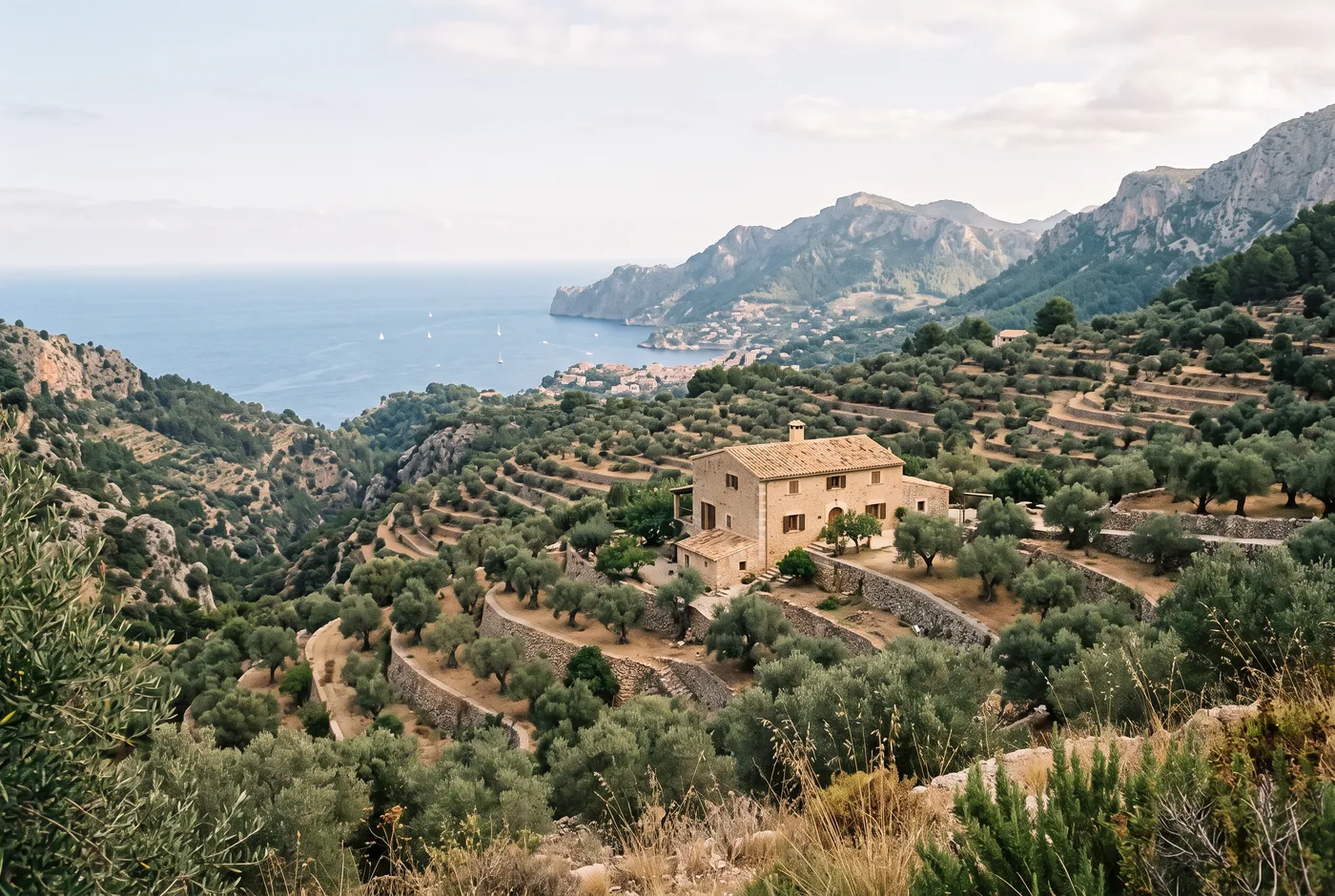
Mallorca
Mountain villages, olive terraces and spring walks, a short flight from home.
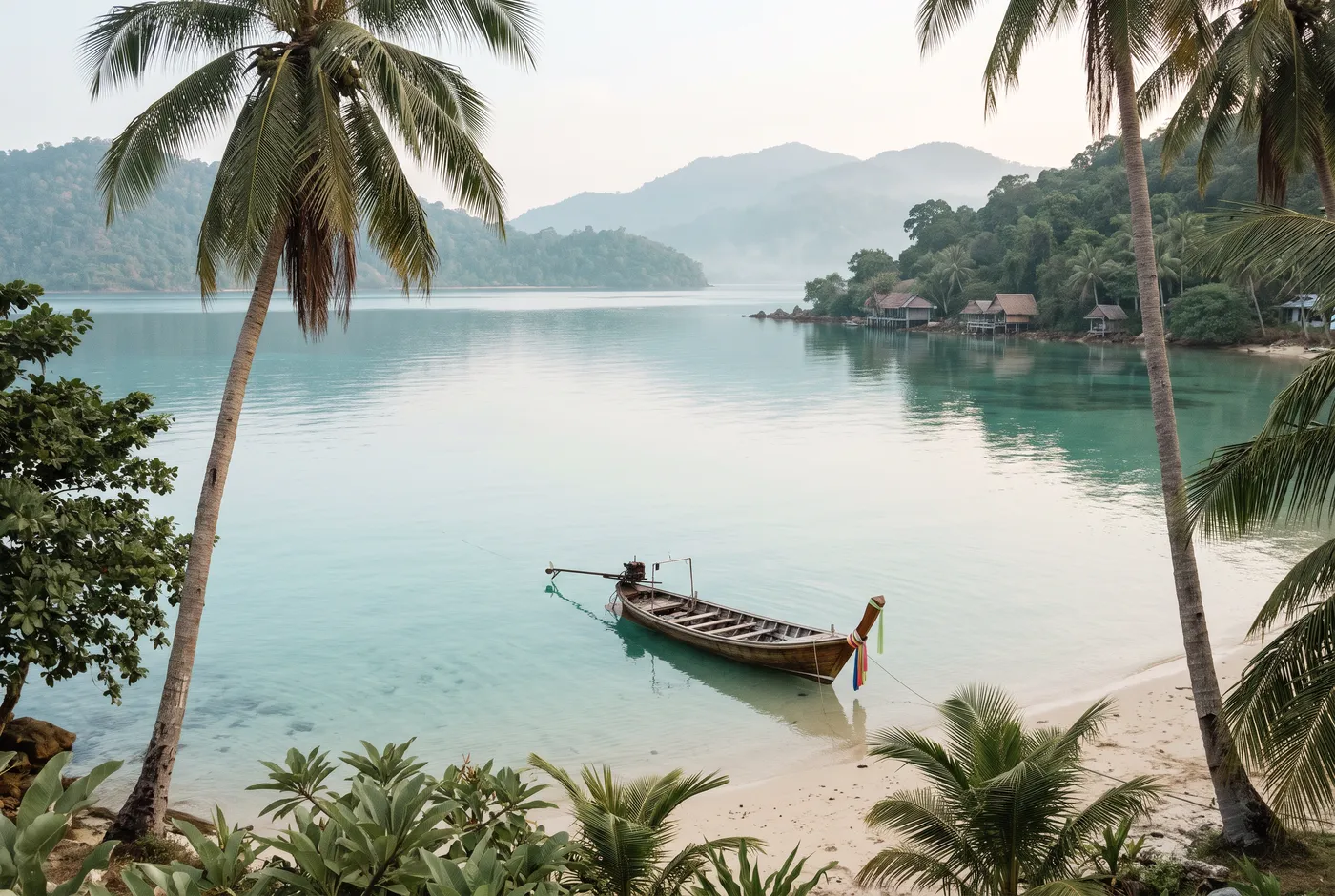
Thailand
Silent temple mornings in the north, yoga and island calm in the Gulf. Match the region to the month.
From the journal
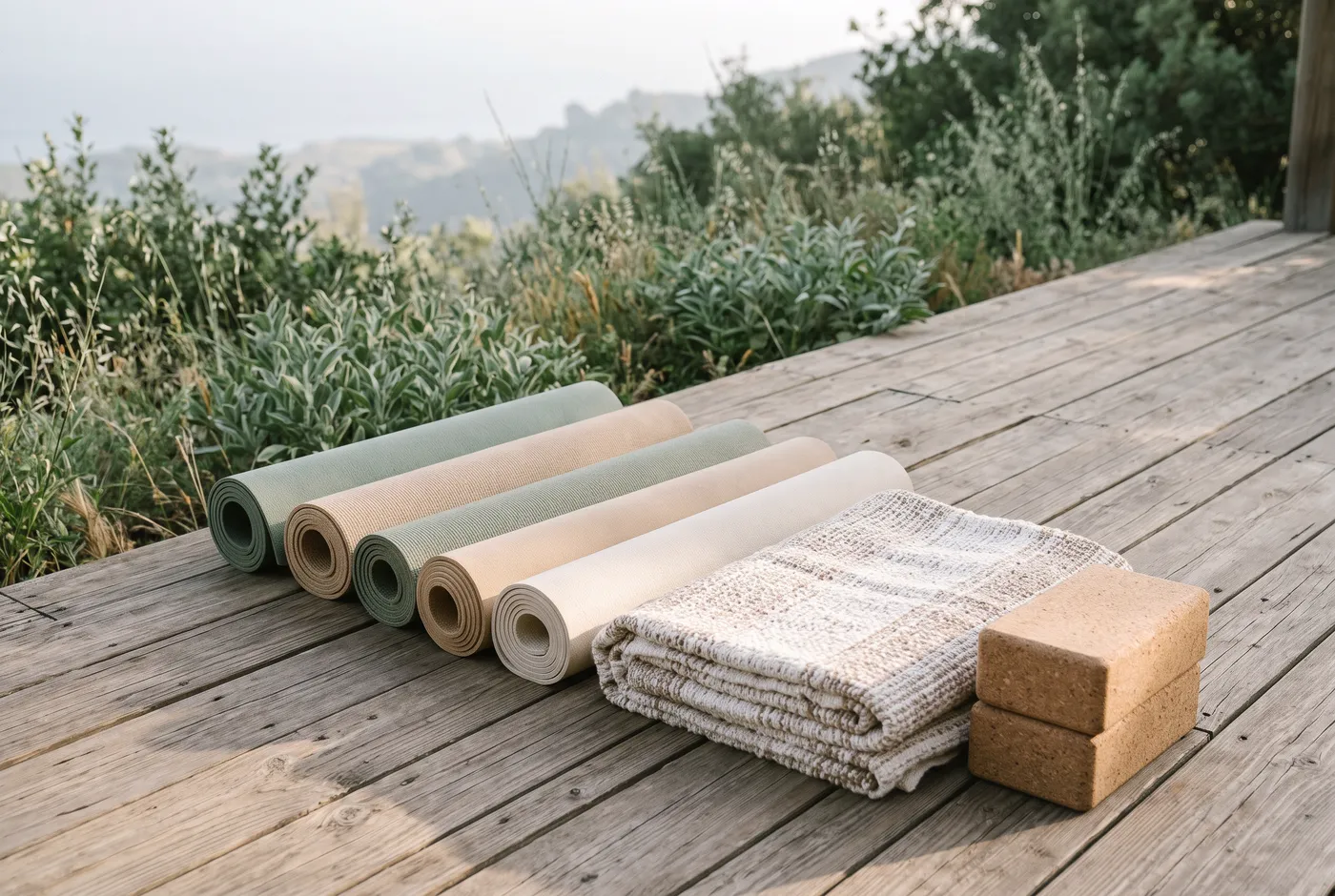
Your first yoga retreat: what to expect, day by day
A typical day, how fit you need to be, what to pack and how to pick a beginner-friendly retreat.
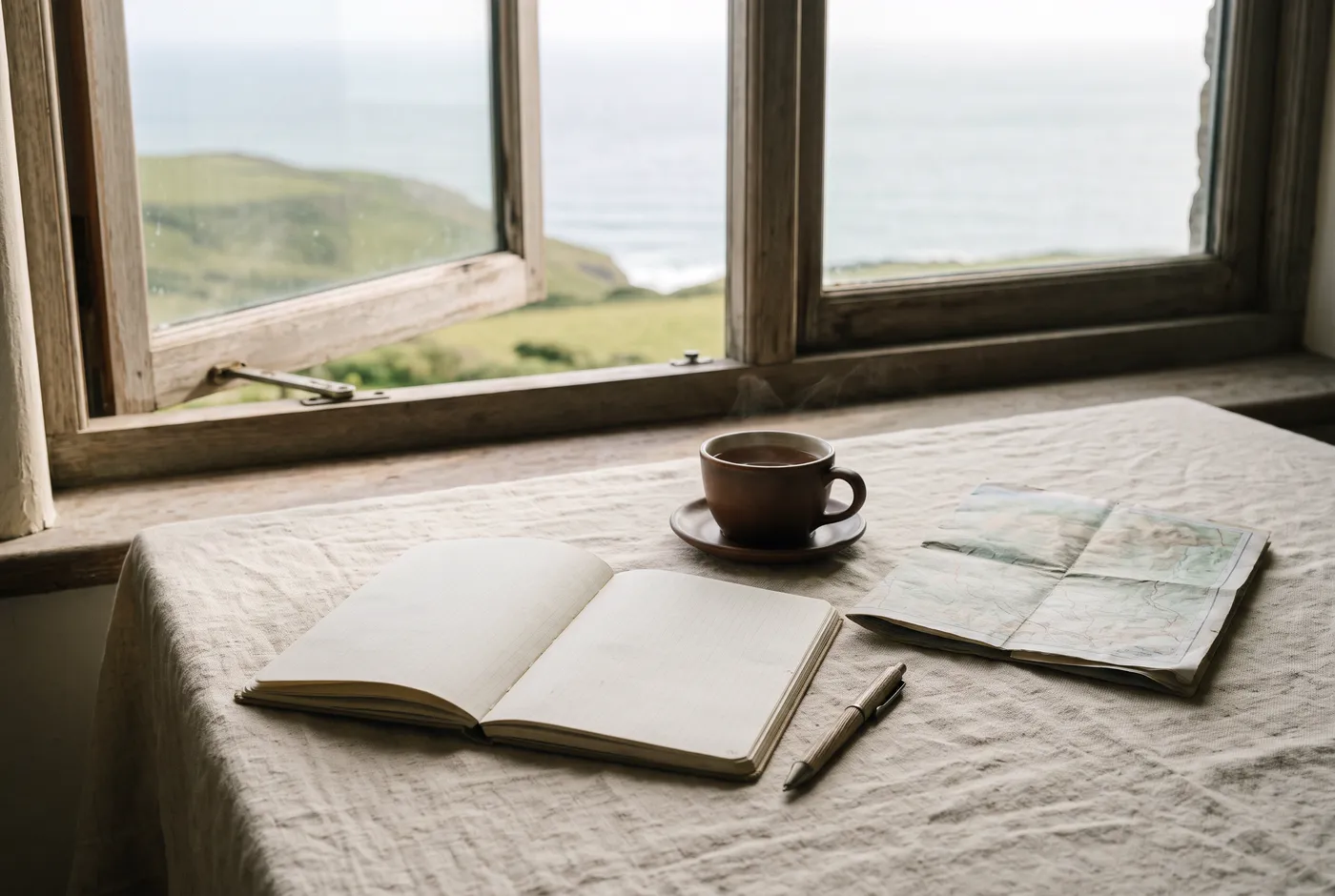
How to choose a wellness retreat that actually suits you
Start with what you need, then choose type, length, place and host. A calm, practical decision guide.
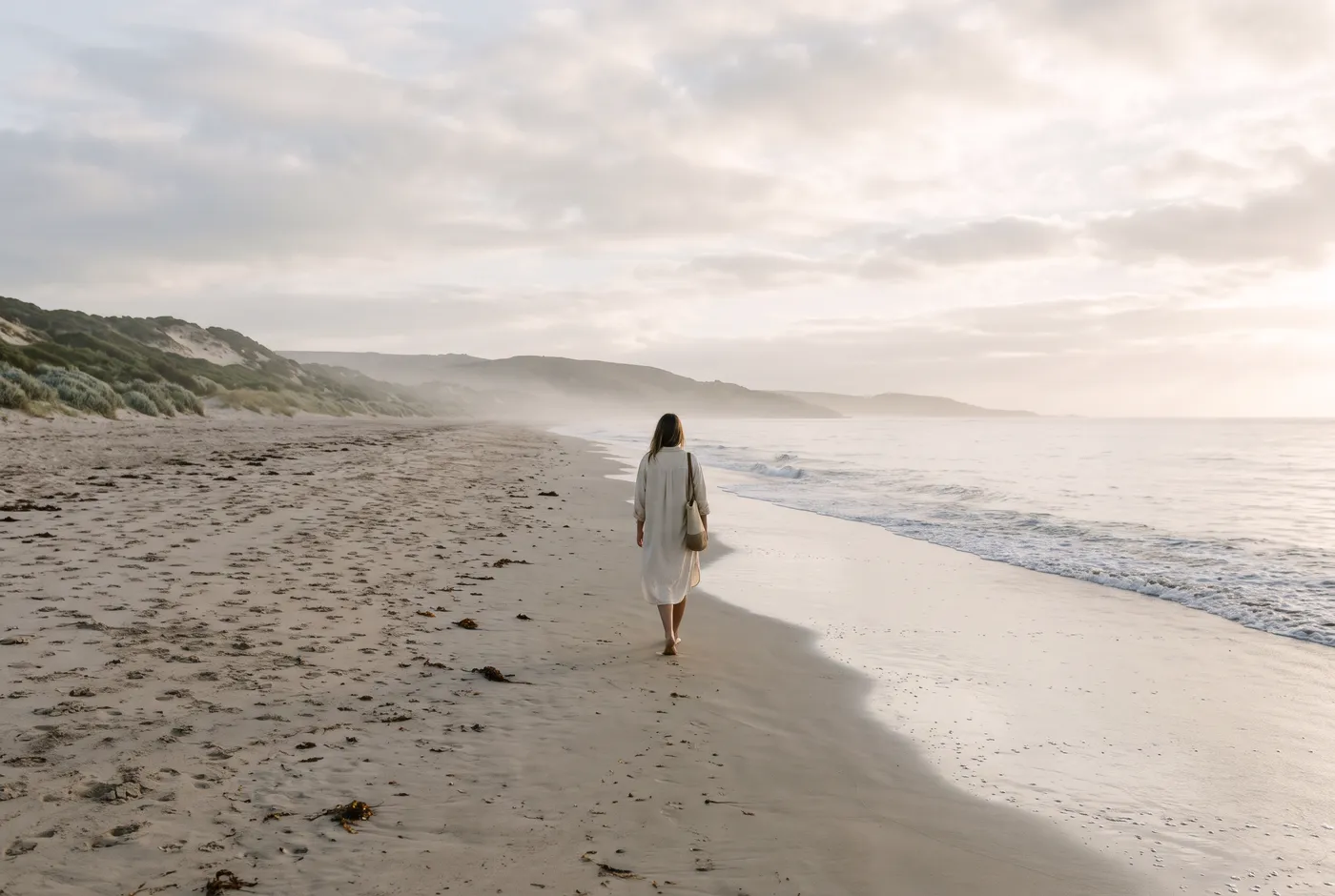
Going on a retreat alone: what to know before you book
Why a retreat is one of the easiest ways to travel alone, and how to choose the format, room and place.
Something else in mind?
Tell us how you want to feel.
Send us your wishes in a few clicks. We read every message and reply personally with retreat types, places and good questions to ask hosts.
Plan your retreat