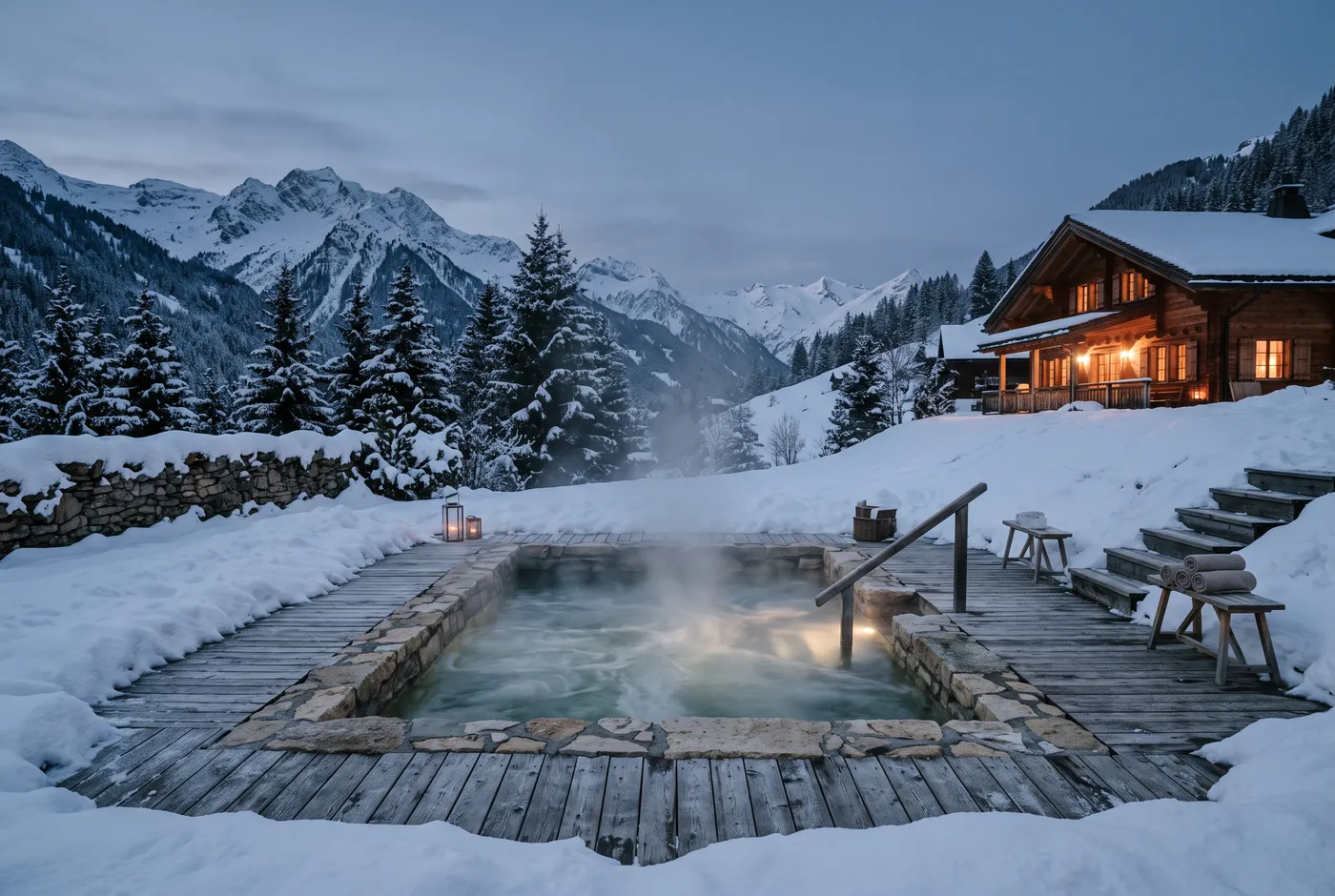
Spa and thermal retreats
Warm water, heat, cold and long hours of doing nothing: the spa retreat is the oldest kind of rest holiday there is. Here is how to choose one, and how to use the water well.
Good for
- People who want rest without a programme
- Couples with different ideas of a holiday
- Short breaks and winter weekends
- Anyone who needs sleep more than new ideas
Maybe not for
- Anyone who needs structure to switch off
- People uncomfortable with heat or with textile-free saunas
A typical day
- Early swim in the thermal pool, quiet at this hour
- Long breakfast
- Walk through the valley or along the coast
- Light lunch and a rest
- Sauna rounds, with cooling and rest between them
- Massage or another treatment, if booked
- Dinner, then an evening soak or an early night
What a spa or thermal retreat is
A spa retreat is a stay where warm water, heat and rest are the programme. It can be a thermal hotel built over natural hot springs, a mountain hotel with a large sauna area, a traditional Japanese inn with its own hot spring bath, or a coastal resort with pools and treatments. Unlike most retreat types, there is usually no group and no fixed schedule. You decide how much you do, which for many people is exactly the appeal.
That freedom has a downside. Without structure it is easy to spend the stay on your phone by the pool. If you need a frame to switch off, add a few booked treatments and daily walks, or choose a yoga retreat at a venue with a good spa. If you like warmth plus a firm routine, an Ayurveda retreat combines oil treatments with a fixed day.
A good stay finds its own rhythm: a swim before breakfast, a walk in the morning, warmth in the afternoon, an early night. The first day often feels restless and the second slow; by the third, the hours between sauna, walk and meal tend to feel like enough. On Mallorca, spa hotels make a calm base from November to March, when the island is quiet and the walking is pleasant.
Thermal springs, sauna rituals and Kneipp
Thermal springs are naturally warm waters rising from deep underground, often rich in minerals. Europe has a long bathing culture around them, from Alpine villages such as Bad Gastein in Austria and Leukerbad in Switzerland to the spa towns of northern Portugal. Bathing is unhurried: a soak of 15 to 20 minutes, then rest, then perhaps another.
Sauna rituals are taken seriously in Central and Northern Europe. In the German-speaking Aufguss, a sauna master pours scented water on hot stones and fans the heat around the room with a towel, usually at set times. A typical round is 8 to 15 minutes of heat, followed by cooling in cold water or fresh air, then at least as long resting. Most people do two or three rounds. Saunas in German-speaking countries are often mixed and textile-free: you sit on a towel, and swimwear is not worn.
Kneipp is a 19th-century Bavarian bathing tradition built on alternating warm and cold water: wading through a knee-deep cold basin with a slow, stork-like step, cold arm baths, cold showers after warmth. Many Alpine hotels have a Kneipp path or basin. It is bracing and very simple.
Onsen etiquette in Japan
In Japan, bathing in an onsen, a natural hot spring, is an everyday pleasure with clear rules. Most baths are separated by gender, and everyone bathes naked. Towns such as Hakone near Tokyo and Beppu on Kyushu are known for their hot springs.
- Leave your shoes at the entrance and your clothes in a basket in the changing room.
- Wash thoroughly first, sitting on a stool at the shower stations, and rinse off all the soap.
- Keep the small towel out of the water: fold it on your head or leave it at the edge.
- Tie up long hair so it does not touch the water.
- Enter slowly, keep your voice low and do not swim.
- Ask beforehand about tattoos. Some baths still refuse them; many inns offer private baths you can book instead.
How to choose a good one
- Quiet zones and adult-only areas, if peace matters more than water slides.
- Spa access included in the room price, with generous opening hours.
- Real thermal water, if that is what you want: ask about the source and temperature rather than assuming.
- Treatments by qualified therapists, with a short health questionnaire beforehand.
- Walks from the door, so the day is not only pool and lounger.
Massage therapists should hold a recognised qualification, and medical spa treatments, where offered, should be carried out by physiotherapists or doctors rather than general spa staff. Sauna masters often train in-house or on courses run by sauna associations; what you will notice is whether rounds start on time, the heat is announced and guests are reminded to leave if it becomes too much.
Heat safety and cost
Saunas, steam rooms and hot springs put real strain on your circulation. Drink water between rounds, skip alcohol before and during, leave at once if you feel dizzy or unwell, and cool down gradually. Avoid the sauna straight after a heavy meal or a hard workout. Talk to your doctor first if you have a heart or blood-pressure condition, are pregnant, or take medication that affects blood pressure.
As a rough guide in 2026, Alpine thermal and spa hotels typically cost roughly €150 to €400 per person per night with half board, and a Japanese inn with dinner, breakfast and hot spring access ranges widely, from roughly €100 to well over €500 per person per night. Treatments are usually extra. Our budget tool and guide to retreat costs help you compare. Still weighing up the other retreat types? Ask us for suggestions.
Questions people ask
What is the difference between a spa and a thermal spa?
A thermal spa uses naturally warm water from an underground spring, often rich in minerals. Many spas simply heat ordinary water for their pools. If natural thermal water matters to you, ask about the source and its temperature.
How long should I stay in a sauna?
A common rule of thumb is 8 to 15 minutes per round, followed by cooling and at least as long resting, with two or three rounds in total. Leave earlier if you feel dizzy or unwell. If you have a heart or blood-pressure condition or are pregnant, talk to your doctor first.
Can I go to an onsen with tattoos?
It depends on the bath. Some onsen still refuse guests with visible tattoos, while others accept them or allow small ones to be covered. Private baths, which many inns offer by the hour, avoid the question entirely. Ask before you book.
Do I have to be naked in a sauna or onsen?
In German-speaking saunas and in Japanese onsen, generally yes: bathing is textile-free and swimwear is considered unhygienic. You sit or lie on a towel in the sauna. Many hotels have women-only sauna times or areas if you prefer.
Is a spa holiday the same as a retreat?
Not quite. Without any frame, a spa stay is a rest holiday. Add daily walks, a few booked treatments and a firm rule about your phone, and it starts to work like a retreat.
Places that suit spa retreats
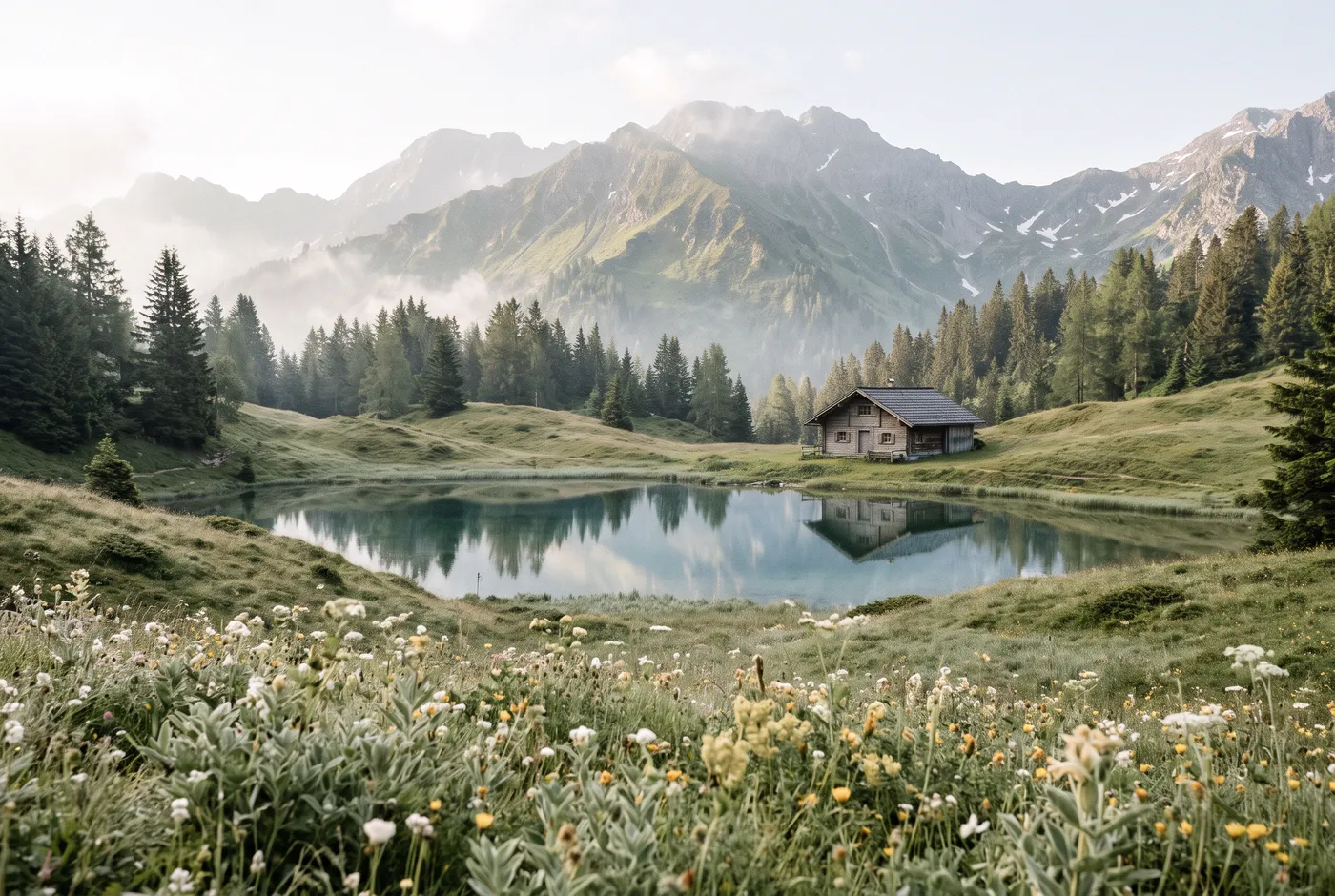

The Alps
Sauna culture, meadow walks and snowy silence, often just a train ride from home.
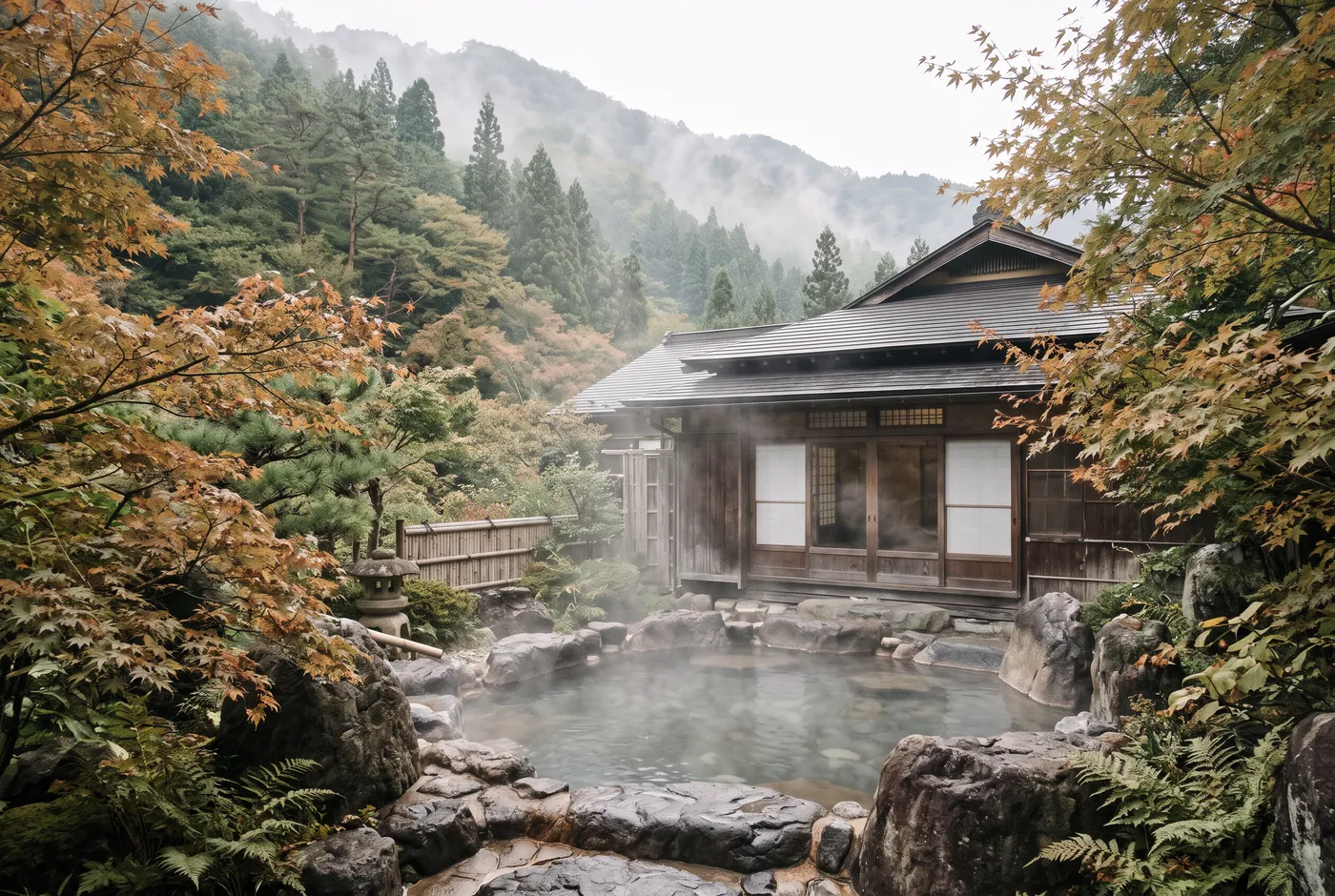
Japan
Temple lodgings, hot-spring baths and forest trails: Japan’s quiet side, best in spring and autumn.
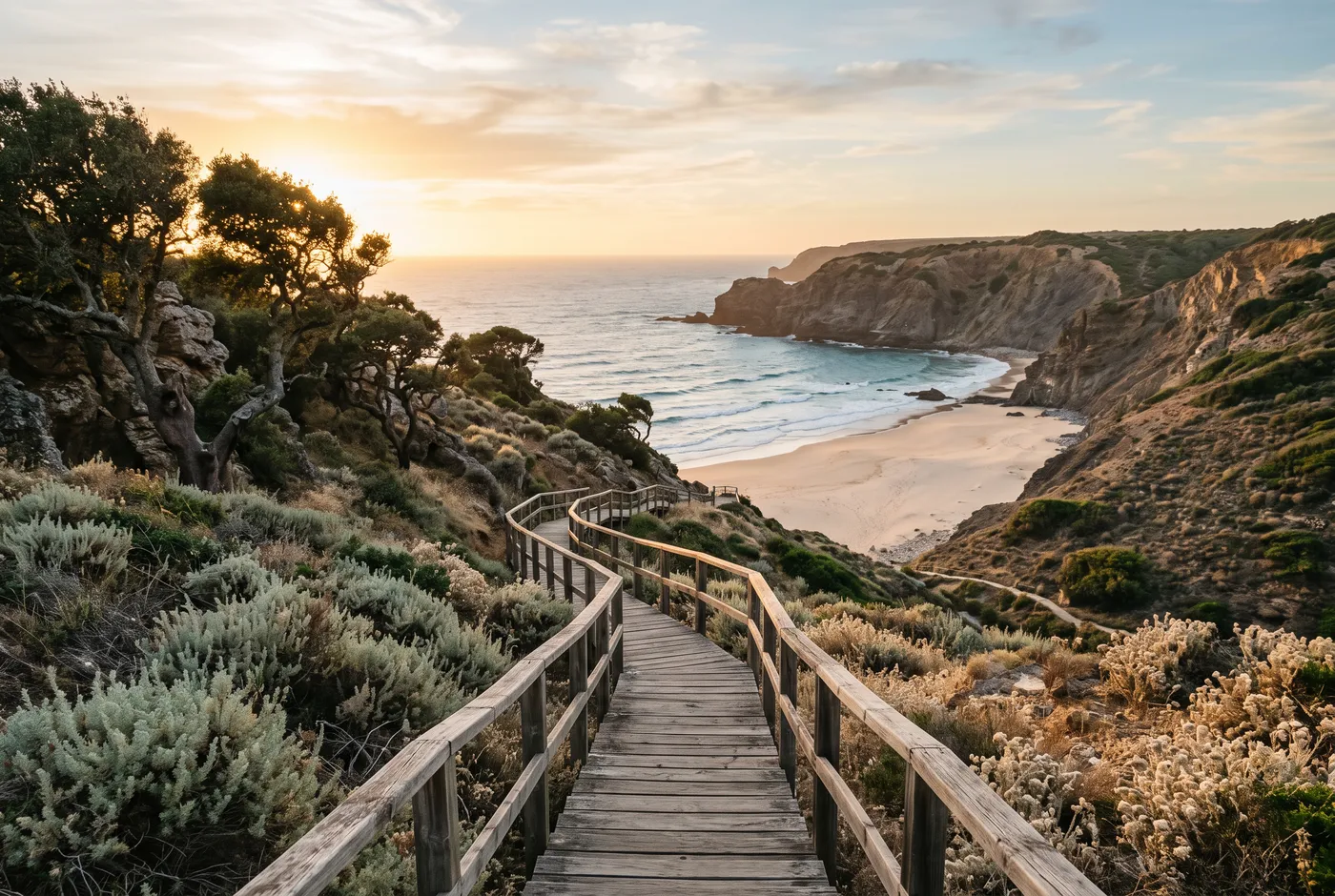
Portugal
Atlantic cliffs, cork-oak plains and surf-and-yoga mornings at an unhurried pace.
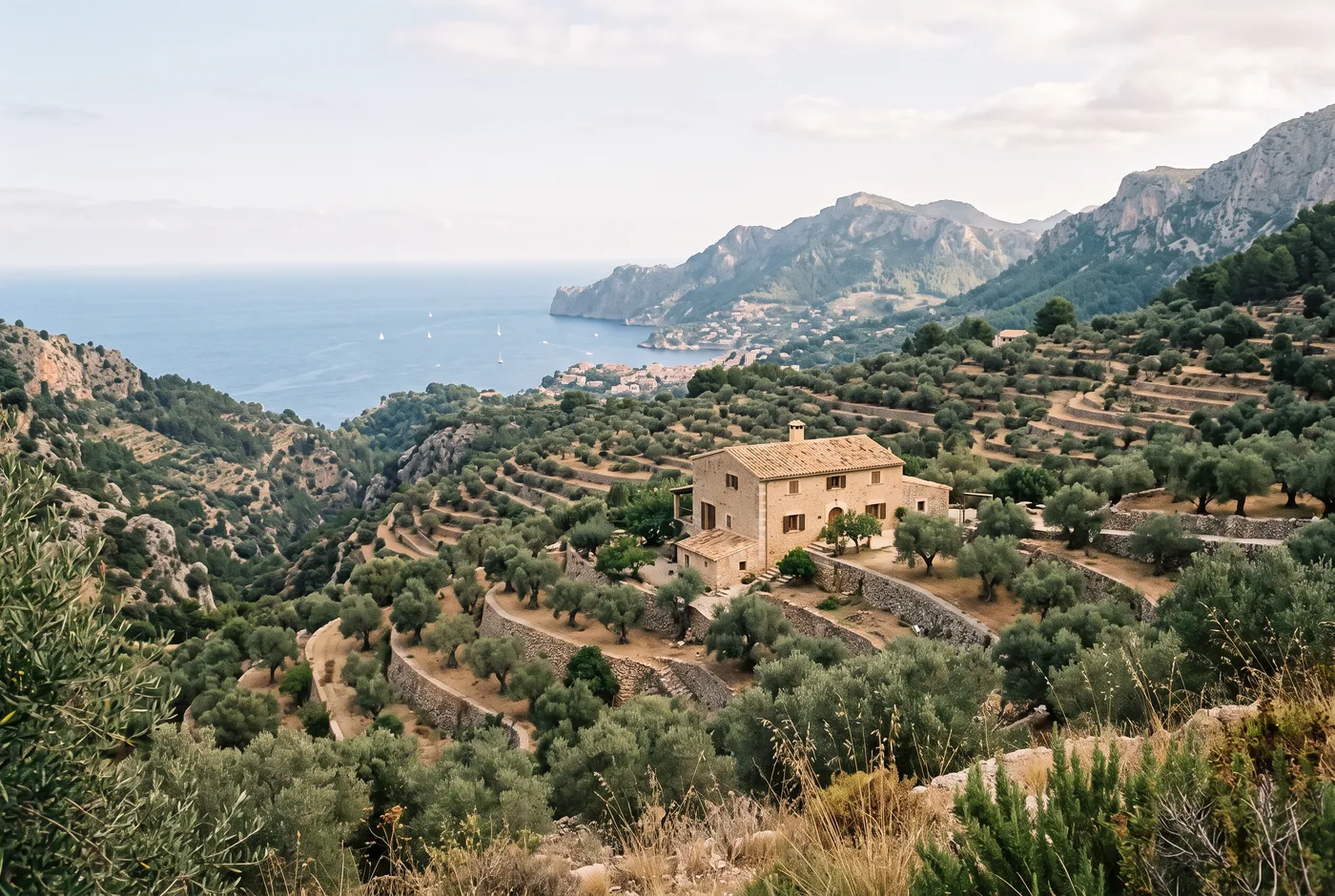
Mallorca
Mountain villages, olive terraces and spring walks, a short flight from home.
From the journal
What a wellness retreat really costs, and what isn’t included
Rough price bands for 2026, the extras nobody mentions and how to save without cutting corners.
Slow travel, explained: what it is and how to plan it
Slow travel isn’t about speed. It’s about arriving fewer times. What it means and how to plan it.
Something else in mind?
Tell us how you want to feel.
Send us your wishes in a few clicks. We read every message and reply personally with retreat types, places and good questions to ask hosts.
Plan your retreat