Portugal
Portugal pairs long Atlantic beaches with cork-oak country and quiet hill towns. Retreats here feel unhurried, outdoorsy and good value for Western Europe.
Best time to go
Compare all destinationsThe numbers refer to the south and centre of mainland Portugal (the Algarve, the Alentejo and the Lisbon coast), where March to June and September to October are best and winters are mild. The north around Porto and the Douro is noticeably wetter from November to March.
Where to stay
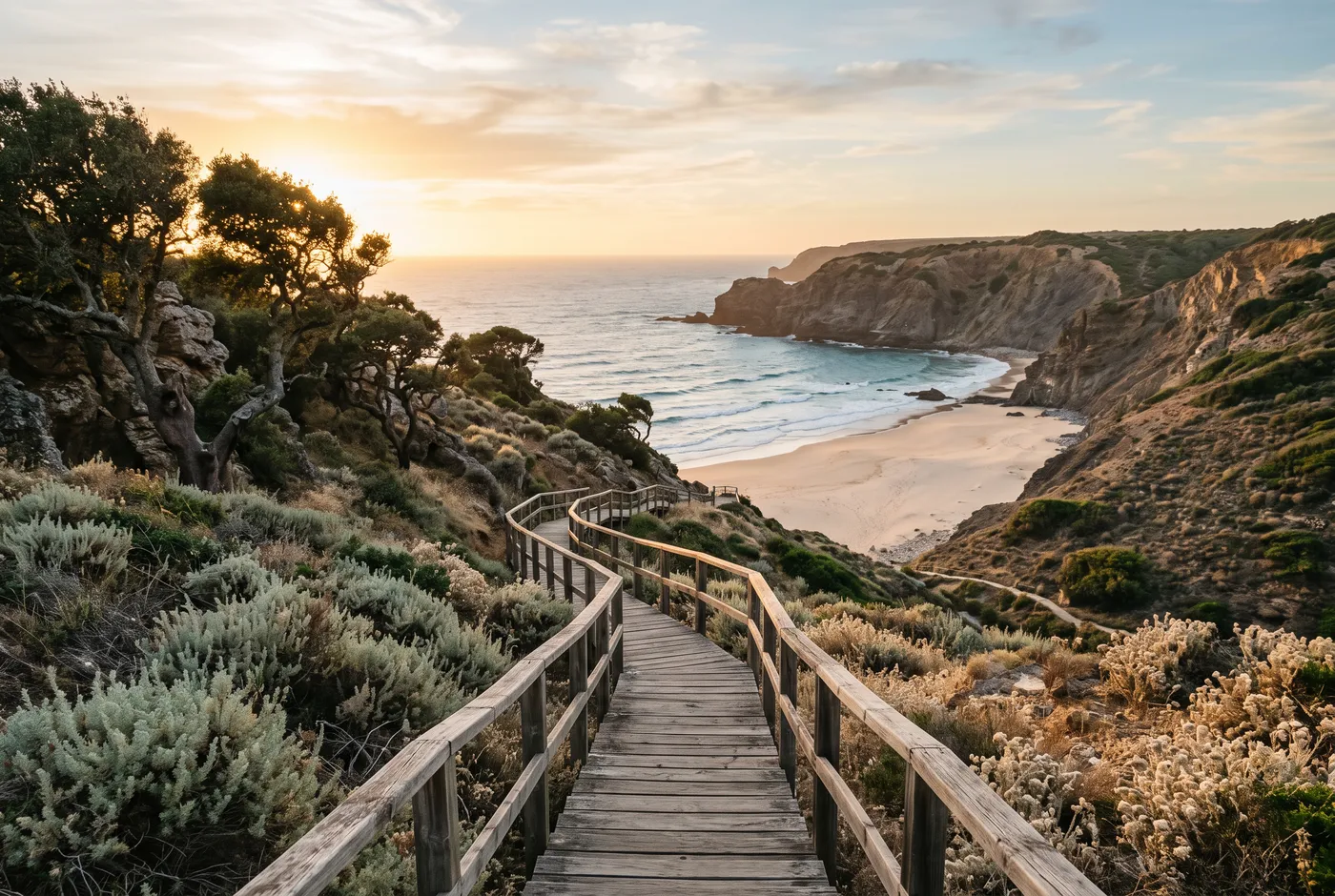
Western Algarve and Costa Vicentina
The wild, windy west coast between Sagres and Odeceixe, protected as a natural park, with surf beaches, cliff paths and the Rota Vicentina walking routes. Popular for yoga-and-surf weeks and walking retreats.
Alentejo
Portugal’s big, quiet interior of cork oaks, whitewashed towns and hot summers, with a long, low-key coast around Comporta and Vila Nova de Milfontes. Ideal for retreats that are mostly about space and quiet.
Sintra and the Lisbon coast
The forested hills around Sintra, a UNESCO World Heritage cultural landscape, and the surf town of Ericeira, both within about an hour of Lisbon. Good for short retreats and for pairing calm days with the city.
Douro and the north
Terraced wine valleys along the Douro and the green mountains of Peneda-Gerês, Portugal’s only national park. Cooler and wetter, and best from late spring to early autumn.
Why Portugal works for a retreat
Portugal is easy to like. The light is clear, the food is simple and good, and outside Lisbon and the summer Algarve the pace is slow. For a retreat, it offers a rare mix in Western Europe: a wild Atlantic coastline, wide empty countryside, mild winters in the south, and prices that can be a little lower than on the Spanish islands or in the Alps.
It also suits people who like their rest with some movement. Many retreats here combine yoga with surfing, cliff walks or long days outdoors, so you come home tired in the good way and sleep well from the first night.
What retreats here are like
The classic Portuguese retreat is a small house or farm on the Atlantic side, with morning yoga, a big breakfast and an afternoon at the beach or in the surf. Groups are usually small and the atmosphere informal, and many hosts are happy to welcome beginners. Inland in the Alentejo you’ll find quieter stays built around space, cooking and long walks, as well as retreats focused on nutrition or on a proper break from screens, where phones go into a box at the door and evenings belong to books, cards and conversation.
Expect early nights rather than parties, and a lot of time outside. Most retreats run for four to seven nights. If you’re travelling alone, Portugal is a gentle place to start, with friendly hosts and shared dinners that make it easy to talk or to stay quiet; our notes on going on a retreat alone cover the rest.
When to go, month by month
In the south, March to June is the sweet spot. Spring flowers cover the cliffs and fields, days are warm, and the walking trails are at their best before the heat arrives. The sea stays cool well into June, so bring or rent a wetsuit if you plan to surf.
July and August are warm to hot and busy. The west coast stays fresher thanks to the Atlantic wind, while the Alentejo interior can be very hot. September and October are excellent: the sea is at its warmest, the light turns golden and there are fewer people. From November to February the south is mild and quiet, with sunny days between spells of rain. Fewer retreats run and some coastal places close, but winter yoga weeks on the Algarve are a real option. Further north, winters are wet. See how Portugal compares with other places in the when-to-go planner.
Where to stay
For surf and yoga, look at the western Algarve and the Costa Vicentina, between Sagres and Aljezur and north along the Alentejo coast. For quiet and space, the Alentejo interior is hard to beat outside the hottest weeks. Sintra and Ericeira are good for short retreats close to Lisbon, with forest walks and sea air. The Douro valley and the north are greener and cooler, and better for walking in late spring and early autumn than for winter sun.
The south coast of the Algarve, from Faro towards Albufeira, is far more developed. It has good hotels and spas, but if quiet matters most to you, head west.
Getting there and around
Lisbon, Faro and Porto have direct flights from many Central European airports, typically around three hours. The train is possible but slow: via France and Spain it usually takes two days with an overnight stop. That is worth it if you have the time and want to arrive already slowed down, and it turns the trip itself into part of the rest.
Within Portugal, fast trains link Lisbon with Porto and the Algarve. Rural retreats on the Costa Vicentina or in the Alentejo are hard to reach without a car, so many hosts offer transfers, or you can hire a car at the airport. Distances are manageable: Lisbon to the western Algarve is roughly three hours by road.
Costs and travelling mindfully
As a rough guide in 2026, a week-long retreat in Portugal typically costs around €900 to €2,200 per person including most meals, depending on the room and on extras such as surf lessons. Flights are usually extra, and a hire car for the week adds noticeably if your retreat has no transfers. Ask in advance what is included, especially airport pick-ups, board and wetsuit hire.
Popularity has a cost here too. Housing in Lisbon and along parts of the coast has become hard for locals to afford, and the south faces regular droughts. Choose locally run places, use water sparingly, and take summer fire warnings seriously in the countryside. Shop in village markets and eat where locals eat; it is usually the better food anyway.
Like Atlantic light but want mountains too? Compare Mallorca and the Alps, browse all destinations, or tell us what you’re looking for.
Questions people ask
When is the best time for a yoga retreat in Portugal?
In the south, March to June and September to October bring warm days, cooler mornings and fewer crowds. Summer is warm and busy, though the west coast stays fresher thanks to the Atlantic wind. Winters on the Algarve are mild, and some retreats run all year.
Which region of Portugal is best for a yoga retreat?
The western Algarve and the Costa Vicentina are popular for yoga and surf, the Alentejo for quiet and space, and Sintra and Ericeira for short retreats near Lisbon. Choose by what you want around the mat: waves, silence or easy access to the city.
Is Portugal good for a retreat in winter?
The south can be. The Algarve has mild, often sunny winters with daytime temperatures around 16 °C, although rain is possible and the sea is cold. Fewer retreats run, but those that do are quiet and often cheaper. The north is wet in winter.
How much does a retreat in Portugal cost?
As a rough guide in 2026, a week typically costs around €900 to €2,200 per person including most meals. Surf lessons, private rooms and peak-season dates push prices up. Flights are usually extra.
Is Portugal a good place for a first solo retreat?
Yes. It is relaxed and easy to travel, retreats are usually small and informal, and English is widely spoken in the places you’re likely to go. Shared meals make it easy to meet people without any pressure to.
Retreat types that suit Portugal

Yoga retreats
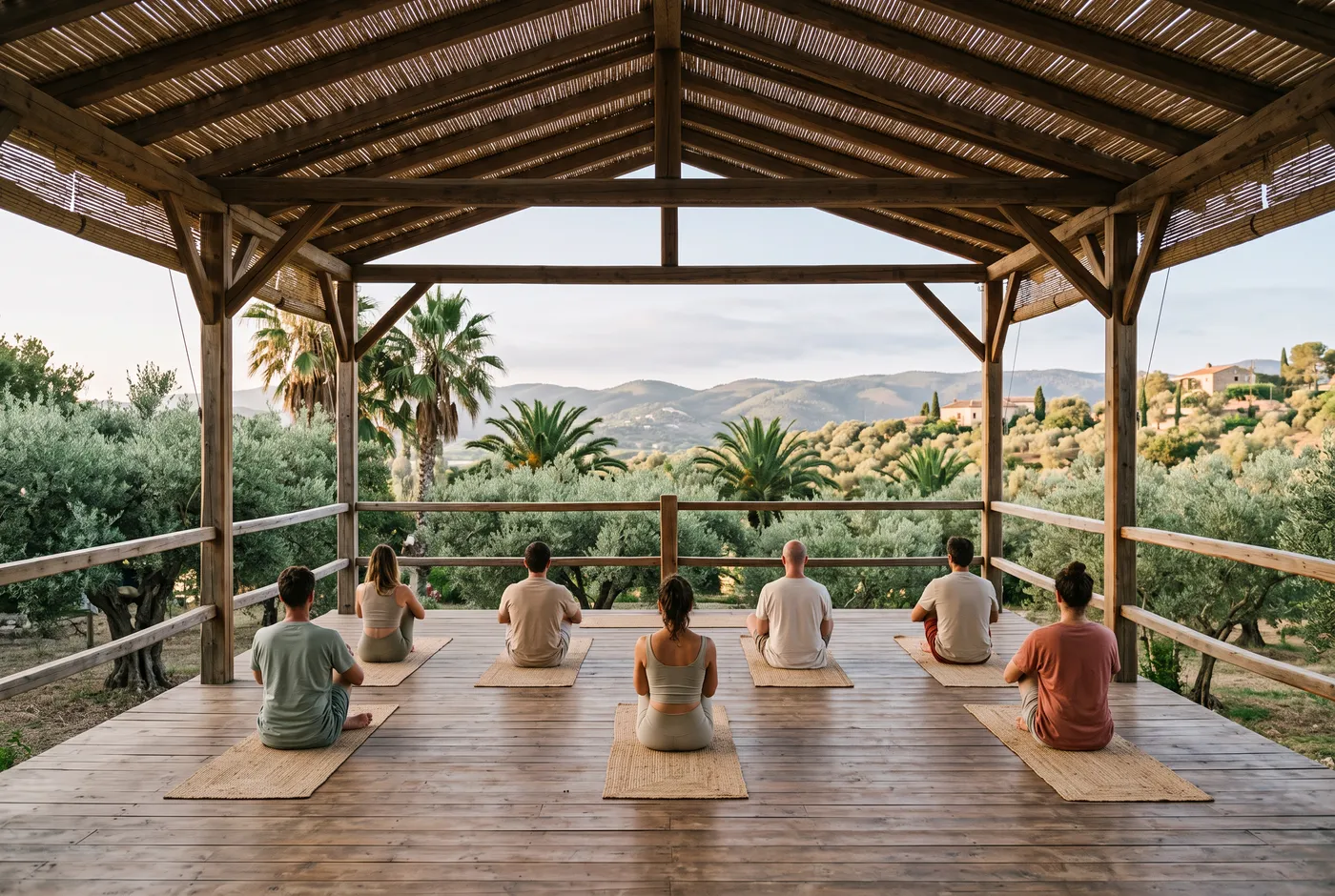
Daily classes, long quiet middays and good food. How to choose a yoga retreat that fits your level.
Detox and nutrition retreats
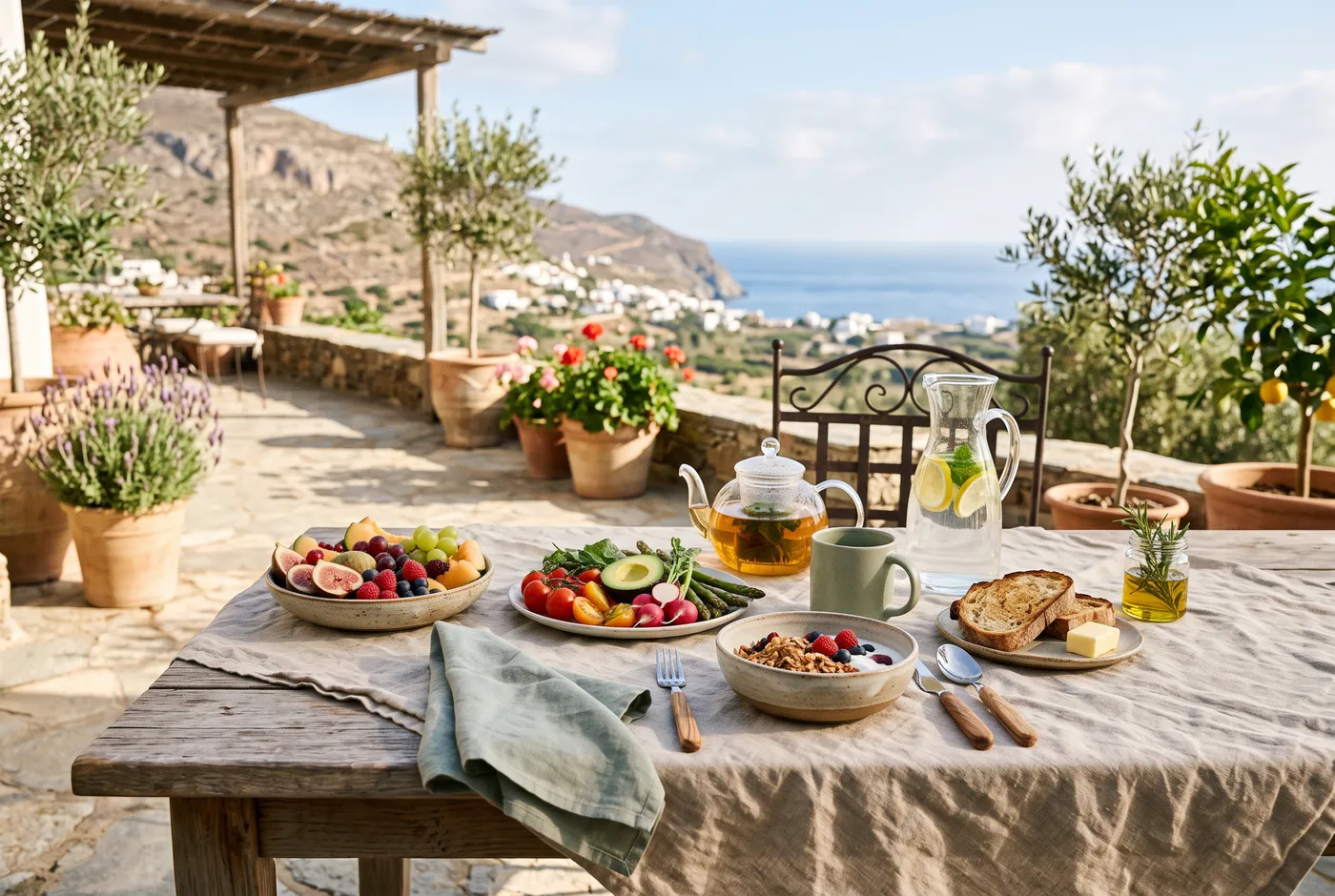
Simple food, no alcohol, more sleep and daily movement. What detox retreats really offer, and what they cannot.
Digital detox retreats
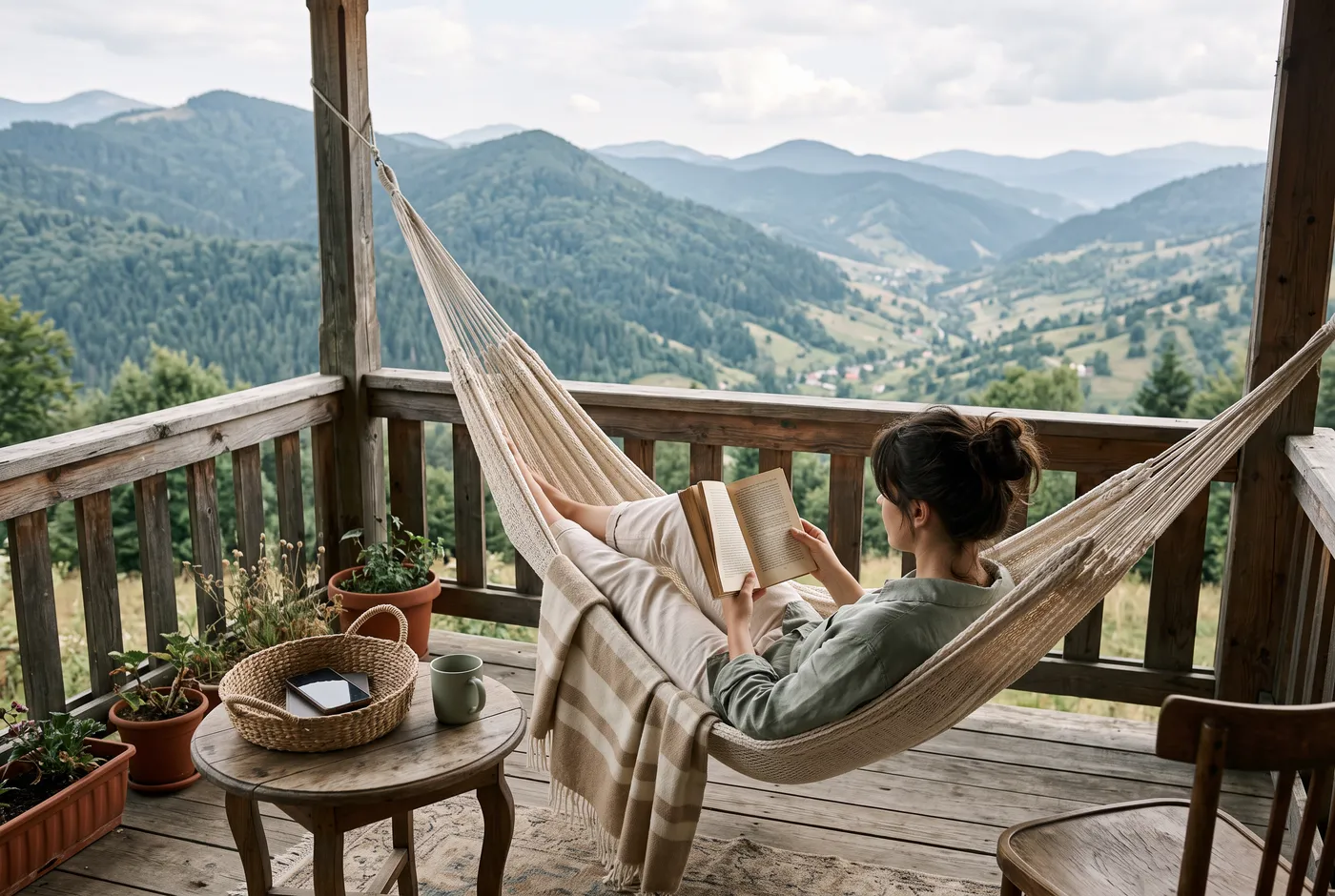
Phones in a locker, days without screens. How digital detox retreats work and how to prepare for one.
Hiking and active retreats
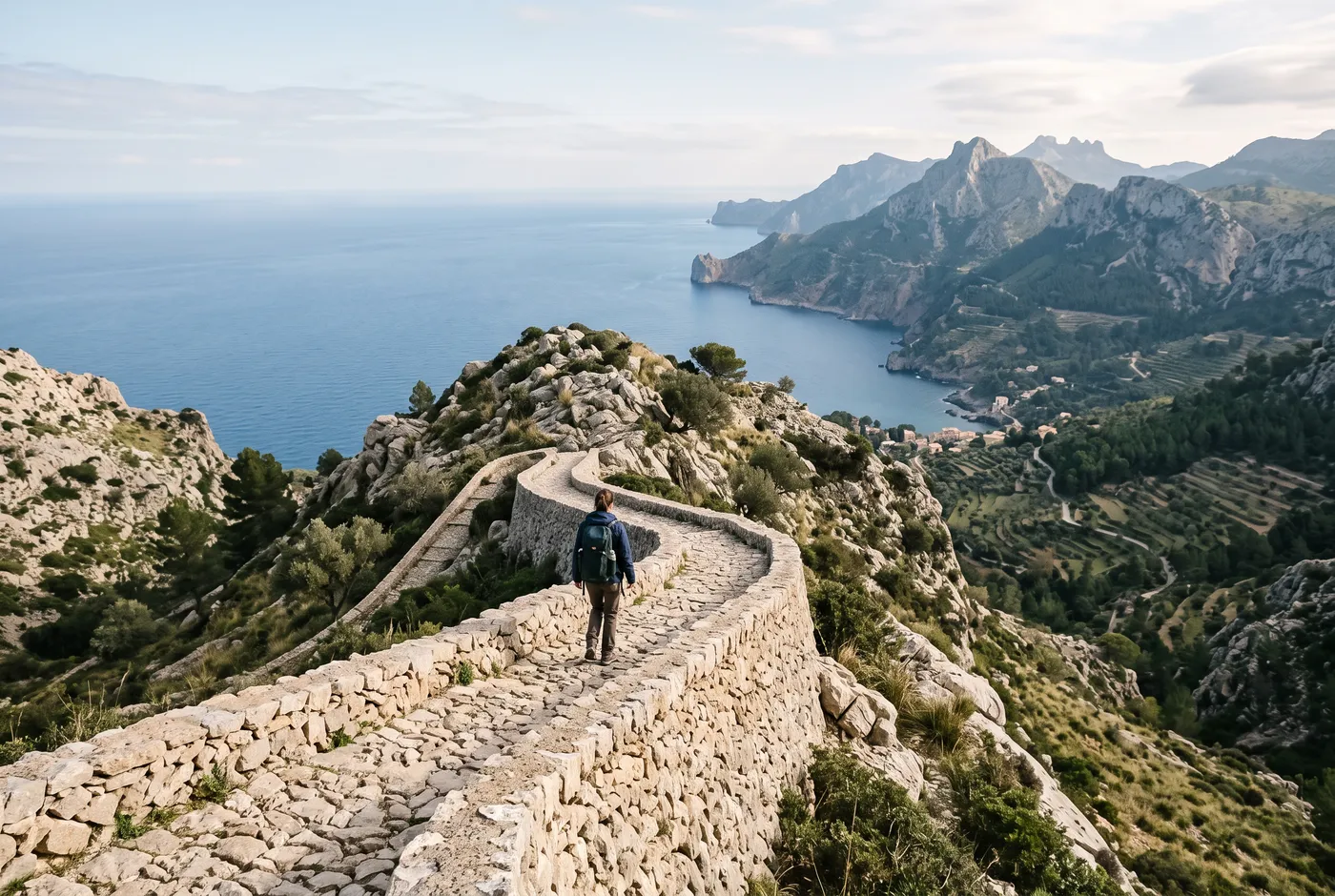
Long walks, yoga and deep sleep. How hiking retreats work, and how fit you really need to be.
From the journal
Going on a retreat alone: what to know before you book
Why a retreat is one of the easiest ways to travel alone, and how to choose the format, room and place.
Your first yoga retreat: what to expect, day by day
A typical day, how fit you need to be, what to pack and how to pick a beginner-friendly retreat.
Slow travel, explained: what it is and how to plan it
Slow travel isn’t about speed. It’s about arriving fewer times. What it means and how to plan it.
Tell us how you want to feel.
Send us your wishes in a few clicks. We read every message and reply personally with retreat types, places and good questions to ask hosts.
Plan your retreat