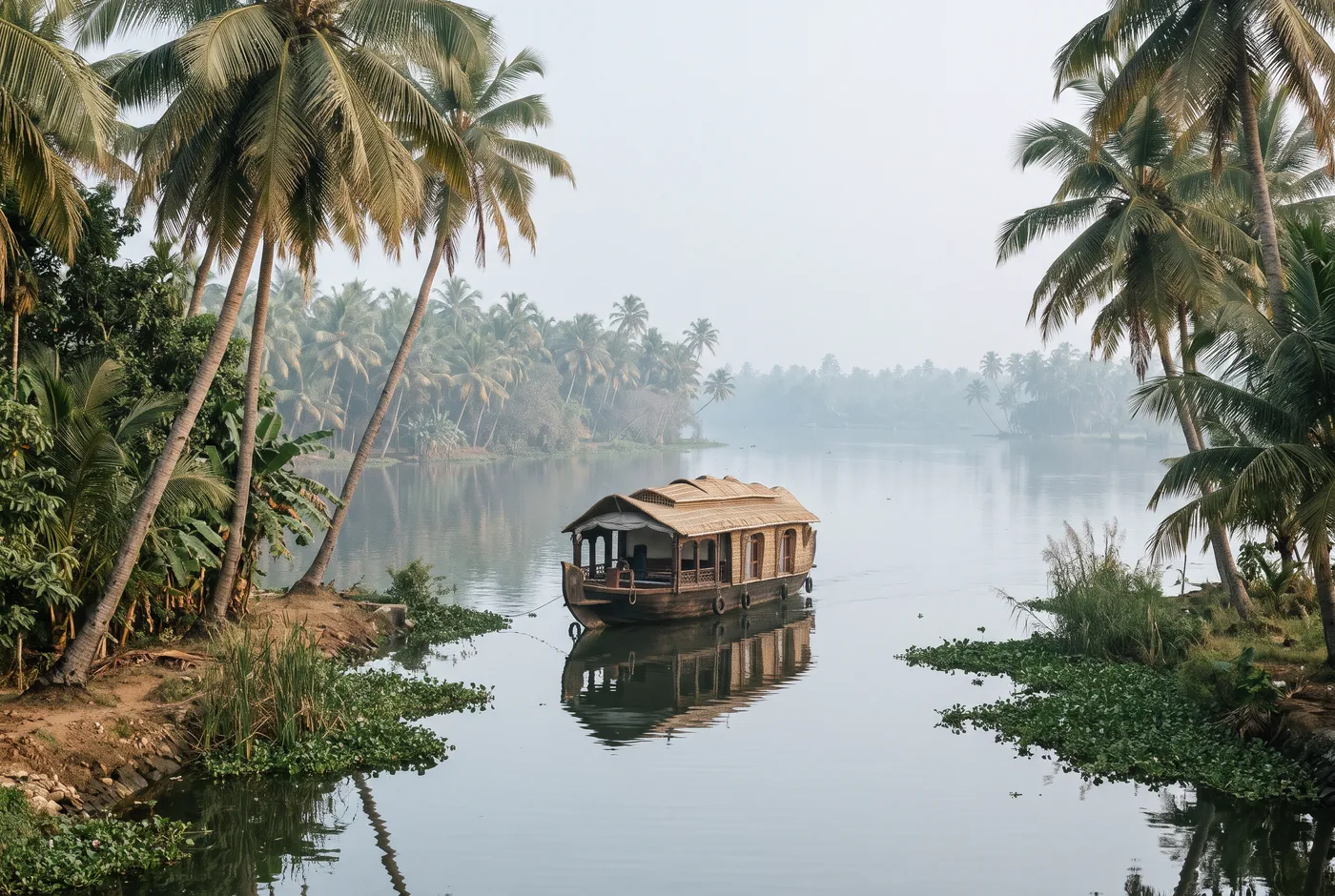
Kerala
Kerala is where many people first meet Ayurveda as it is practised at home: oil, routine, simple food and time. Plan for two weeks or more, and talk to your own doctor before you go.
Best time to go
Compare all destinationsNovember to March is the main season across Kerala: dry, warm and comfortable. April and May are hot and humid, and the south-west monsoon from June to September brings heavy rain, but Ayurvedic tradition considers it the best time for treatment, so many centres stay open with monsoon programmes.
Where to stay
Kovalam and the south coast
Beaches and fishing villages south of Thiruvananthapuram with a long-established Ayurveda tradition and many treatment centres. Close to the airport and good for combining treatment with sea air.
Varkala
Red cliffs above a long beach north of Thiruvananthapuram, with a relaxed yoga scene and smaller Ayurveda centres. Livelier than it used to be, but still easy to slow down in away from the main cliff path.
The backwaters
A maze of lagoons, canals and rice paddies around Alappuzha and Kumarakom, with lakeside Ayurveda resorts. Very peaceful, and best explored slowly by small boat or on foot.
The Western Ghats
Cooler hills around Munnar, Thekkady and Wayanad, with tea and spice gardens, forest and wildlife. Good for walking and for a break from the coastal humidity.
Why Kerala works for a retreat
Ayurveda is a recognised traditional system of medicine in India, and in Kerala it is part of everyday life rather than an item on a spa menu. Many families have practised it for generations, and the state has Ayurveda colleges, pharmacies and treatment centres in almost every town. For a visitor, that means real depth: daily consultations, treatments planned around you, and food cooked to match.
Kerala is also simply beautiful. Coconut palms line the backwaters, the hills are covered in tea, and the pace is slow. Even outside a retreat, the days here have a gentle rhythm that is easy to fall into.
What retreats here are like
A classic Ayurveda retreat starts with a consultation with an Ayurvedic doctor, who reads your pulse, asks about sleep, digestion and habits, and plans your treatments. Days follow a set routine: early yoga or a walk, a warm oil massage, herbal steam, simple vegetarian meals, rest, perhaps a second treatment and an early night. Programmes such as panchakarma typically run for 14 to 21 days and include cleansing procedures that can be physically demanding.
Ayurveda is not a substitute for medical care, and a retreat is not the place to treat a serious illness. Talk to your own doctor before you go, especially if you take medication, are pregnant or have a chronic condition, and tell the Ayurvedic doctor everything. In India, qualified practitioners usually hold a BAMS degree (Bachelor of Ayurvedic Medicine and Surgery), so ask about it. Our red-flags guide lists other things worth checking.
When to go, month by month
November to March is the main season. After the rains the landscape is green, the air is drier and days are warm, around 30 °C. December and January are the most popular months, with busy beaches and higher prices around Christmas and New Year. By March the heat builds, and April and May are hot and very humid, a quieter time when you’ll spend more of the day indoors.
The south-west monsoon arrives around early June and lasts until September, with the heaviest rain in June and July. For a beach holiday it is the wrong time. For Ayurveda, tradition sees it differently: the cool, damp air and the quiet are considered ideal for treatment, and the Malayalam month of Karkidakam, from mid-July to mid-August, is a traditional time for it. Many centres offer monsoon programmes, often at lower prices. October and early November bring a second, lighter rainy spell before the main season begins. See how the months compare in our when-to-go planner.
Where to stay
Kovalam and the coast south of Thiruvananthapuram have a long Ayurveda tradition and a wide choice of centres, from simple to upscale. Varkala, north of the city, combines cliffs, beach and a relaxed yoga scene. The backwaters around Alappuzha and Kumarakom are the calmest setting, with lakeside resorts and boat trips at dawn. In the Western Ghats, around Munnar, Thekkady or Wayanad, it is cooler and greener, which is good for walking before or after a treatment programme.
During intensive treatment, your doctor will usually ask you to stay put, avoid strong sun and skip long excursions. Plan your sightseeing for before or after the programme, not during it.
Getting there and around
Most travellers fly via the Gulf to Kochi or Thiruvananthapuram, roughly 12 to 16 hours in total from Central Europe. Most European visitors need a visa for India, usually available online as an e-Visa; check the current rules well before you go. Like any long-haul trip, this one is worth doing less often and for longer, and a programme of two or three weeks fits that naturally. Leave a few days at the end before flying home: intensive treatment can leave you tired, and centres often advise a gentle few days afterwards.
Within Kerala, trains run along the coast between Kochi, Varkala and Thiruvananthapuram, and drivers are easy to arrange. Roads in the hills are slow and winding, so allow plenty of time. Many centres include airport transfers.
Costs and travelling mindfully
As a rough guide in 2026, Ayurveda programmes in Kerala typically cost around €80 to €250 per person per day, including room, consultations, treatments and meals. A two-week programme therefore often lands somewhere around €1,100 to €3,500, plus flights. Very cheap offers sometimes cut corners on doctors or therapists, and very expensive ones are not automatically better. Check what the price includes: number of treatments per day, doctor’s consultations, yoga, medicines and transfers.
Kerala is welcoming, but conservative in places. Dress modestly away from the beach, remove your shoes before entering homes and temples, and ask before photographing people. Some temples admit only Hindus, so respect the signs. The backwaters are under pressure from heavy boat traffic, so choose shorter, slower outings over long motorised cruises.
Considering other places for a long stay? Compare Bali and Thailand, see all destinations, or ask us to help you choose.
Questions people ask
When is the best time for an Ayurveda retreat in Kerala?
November to March is the main season, with dry, warm weather. The monsoon from June to September is traditionally valued for Ayurvedic treatment, and many centres run monsoon programmes, often at lower prices. April and May are hot and humid.
How long should an Ayurveda retreat in Kerala be?
For a classic programme such as panchakarma, centres usually recommend 14 to 21 days. Shorter stays of 7 to 10 days are possible for a lighter routine of massages and rest. Build in a few quiet days afterwards before you return to heavy travel or work.
Is an Ayurveda retreat in Kerala safe?
Choose a centre with qualified doctors, tell them about any condition and medication, and talk to your own doctor before you go. Some programmes include fasting, purging or long oil treatments that are physically demanding. Be cautious with herbal preparations whose ingredients are not clearly labelled.
How much does an Ayurveda retreat in Kerala cost?
As a rough guide in 2026, expect around €80 to €250 per person per day, including room, consultations, treatments and meals. A two-week programme often lands somewhere around €1,100 to €3,500 before flights. Monsoon packages are often cheaper.
Do I need a visa for India?
Most European visitors do. Many nationalities can apply online for an e-Visa, but rules and fees change, so check the official information well before you travel.
Retreat types that suit Kerala
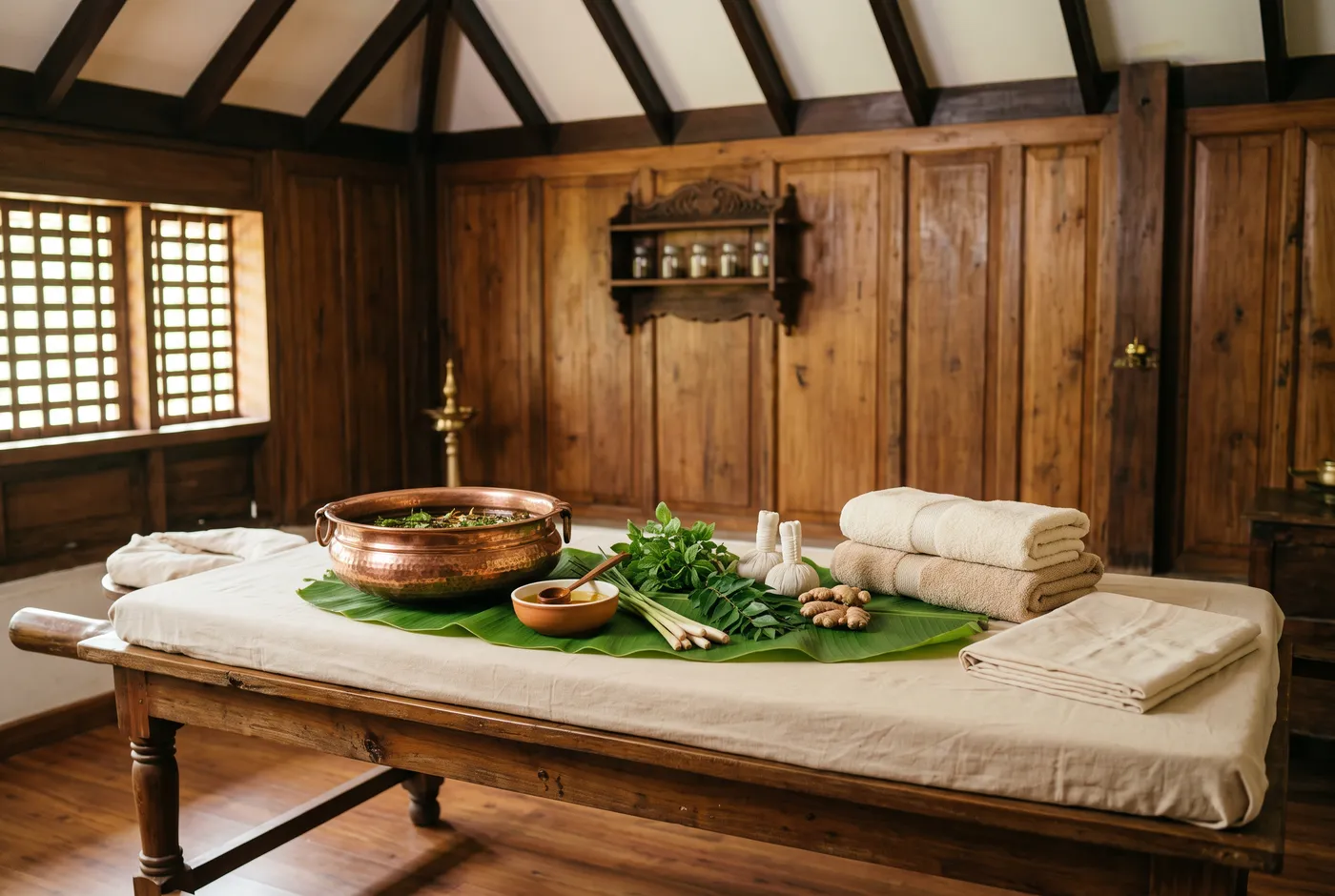

Ayurveda retreats
Oil treatments, set meals and early nights in an old Indian tradition. What happens, and how to choose well.
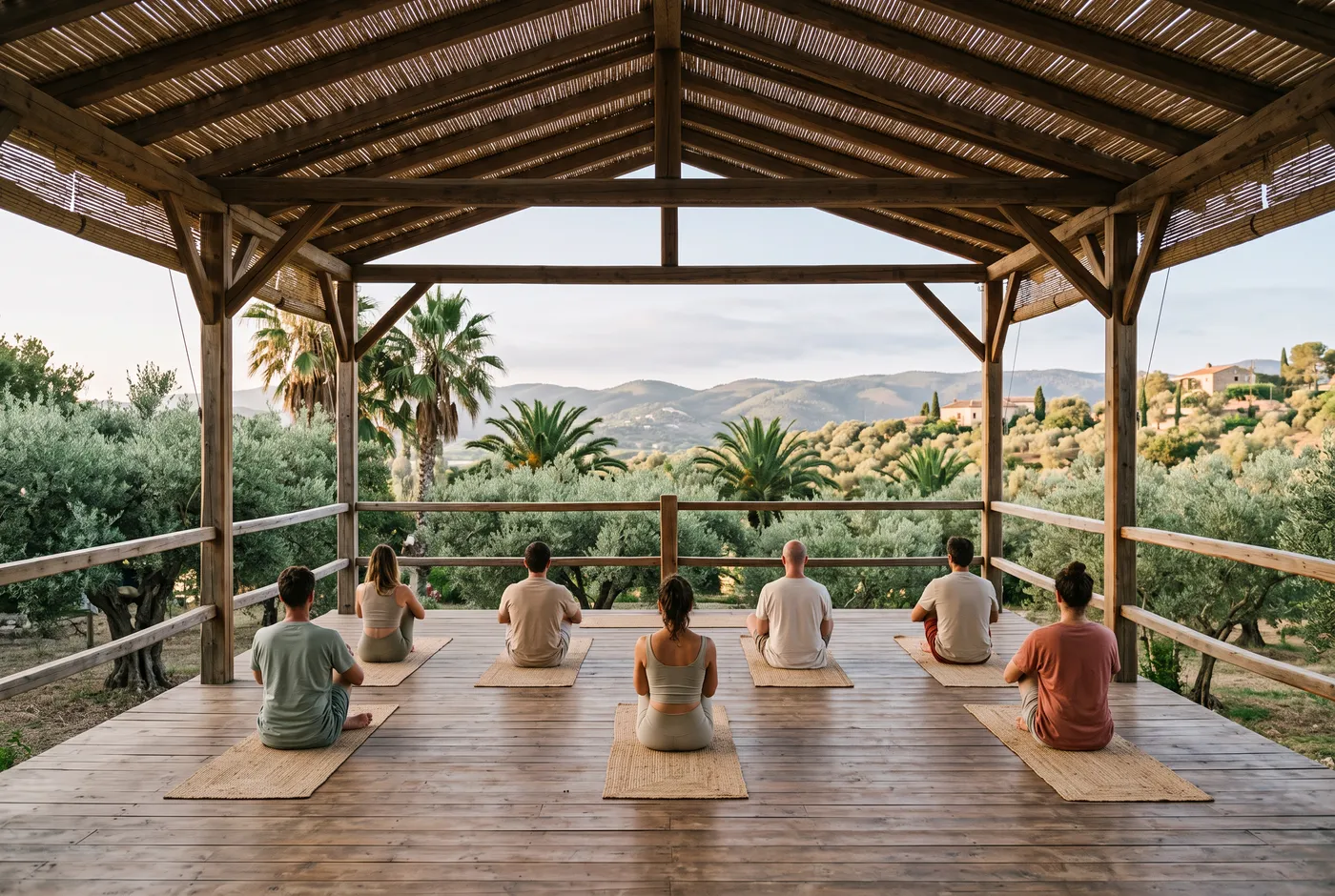
Yoga retreats
Daily classes, long quiet middays and good food. How to choose a yoga retreat that fits your level.
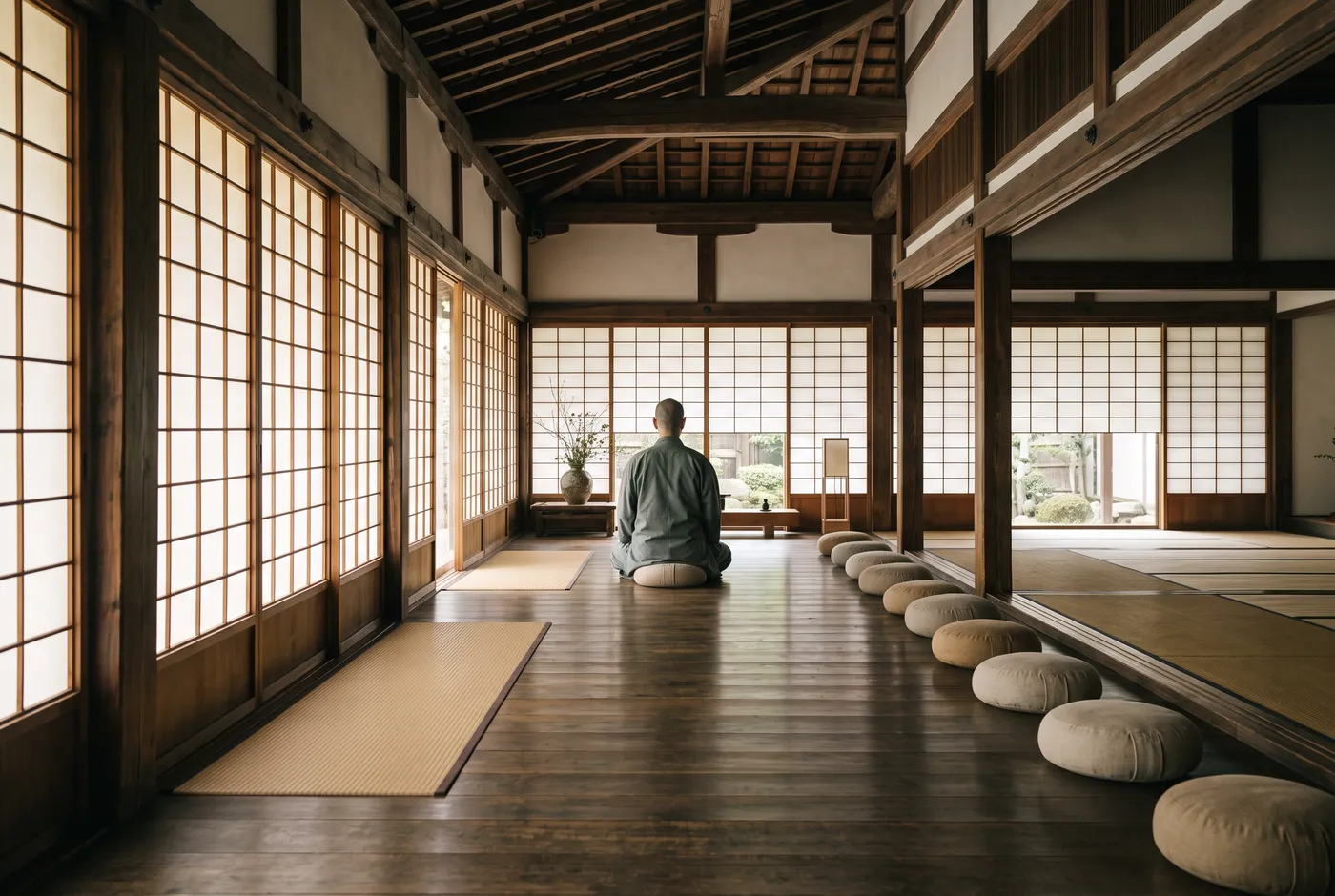
Meditation and silent retreats
Days of sitting, walking and keeping quiet. What silent retreats ask of you, and how to pick a good one.
From the journal
How to spot a good retreat (and the red flags)
Qualifications, health screening, refunds and safety: what good looks like and when to walk away.
How to choose a wellness retreat that actually suits you
Start with what you need, then choose type, length, place and host. A calm, practical decision guide.
What a wellness retreat really costs, and what isn’t included
Rough price bands for 2026, the extras nobody mentions and how to save without cutting corners.
Tell us how you want to feel.
Send us your wishes in a few clicks. We read every message and reply personally with retreat types, places and good questions to ask hosts.
Plan your retreat