Mallorca
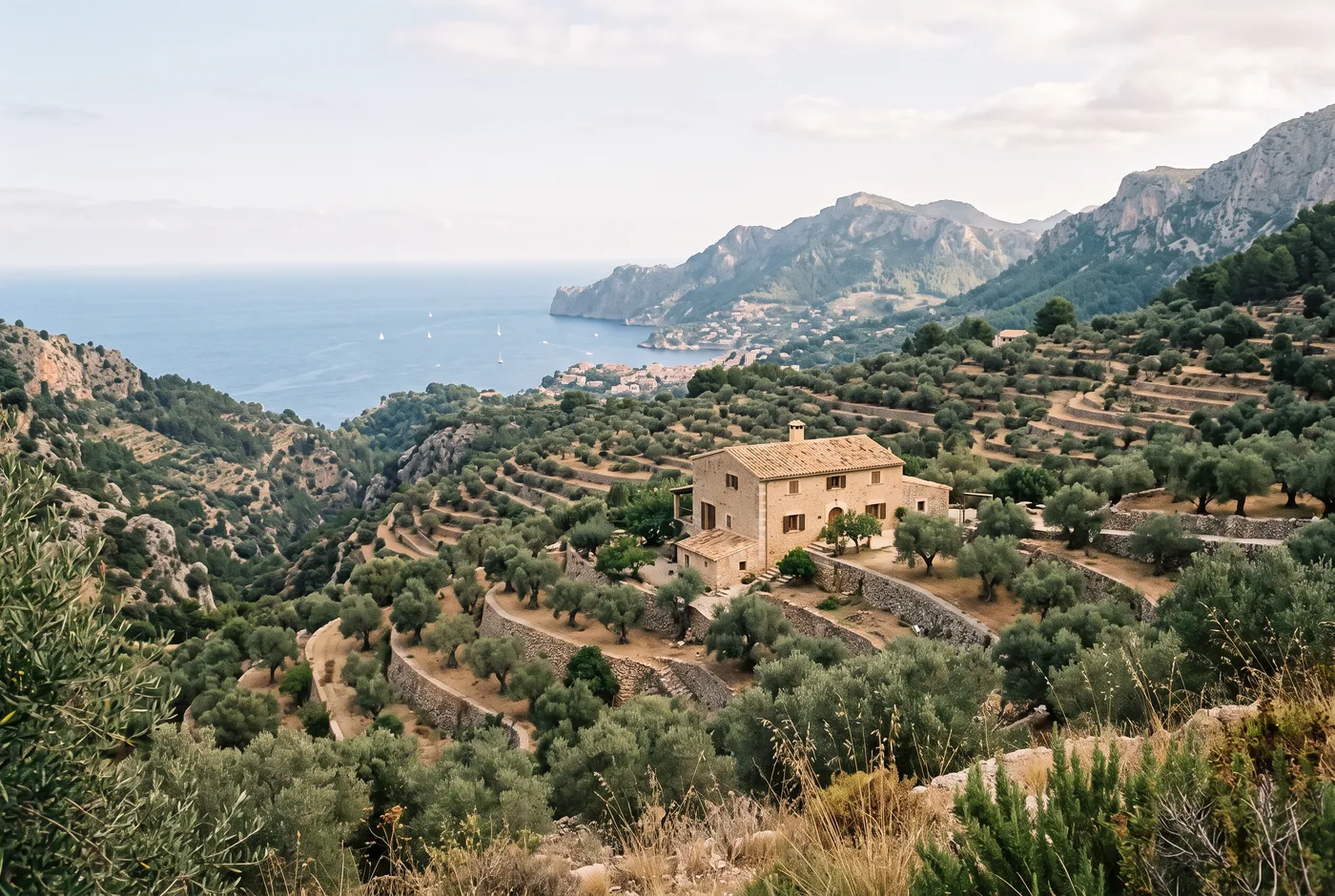
Mallorca is far more than its beach strips. Away from the resorts, mountain villages, olive terraces and quiet fincas make it one of Europe’s easiest places to slow down, a short flight from home.
Best time to go
Compare all destinationsAcross the island, April to June and September to October are the best retreat months. July and August are hot and busy, and from November to March Mallorca is quiet and green, with good walking weather but fewer retreats running and some hotels closed.
Where to stay
Serra de Tramuntana
The mountain range along the north-west coast, a UNESCO World Heritage cultural landscape of stone terraces, villages such as Deià, Sóller and Valldemossa, and long walking trails. Best for hiking and for yoga with a view.
Pla de Mallorca
The flat interior, with farm estates, almond and olive groves and small market towns such as Sineu and Petra. Quiet and rural, and a good fit for retreats that stay on one property.
The southeast coast
Small coves and calm water around Santanyí and the Mondragó natural park. Good for gentle yoga, morning swims and slower days, especially outside July and August.
Artà and the northeast
Rolling hills, the protected Llevant peninsula and a slower pace than the west. Good for walking retreats and for avoiding the busiest corners of the island.
Why Mallorca works for a retreat
Mallorca has a reputation it doesn’t entirely deserve. Yes, there are busy beach strips. But most of the island is something else: limestone mountains, stone-walled terraces, almond and olive groves, and villages where the café opens before the shops do. For a retreat, that mix is hard to beat. You can practise yoga at 8 am, walk a mountain path by 10 and swim in the sea before lunch.
It is also close. From most of Central Europe it is a short flight, which makes a long weekend or a single week realistic. That matters, because the best retreat is often the one you can actually fit into your year. If time off is scarce, Mallorca lets you spend it resting rather than travelling.
What retreats here are like
Most retreats on the island are small and run from a rural finca or a village hotel, usually with a dozen or two guests. A typical yoga retreat has a slow morning class, a long breakfast, free time or a walk, and a gentler session before dinner. Hiking retreats use the Tramuntana trails, with day walks of four to six hours and a hot shower and good food at the end. You’ll also find spa-focused stays in larger hotels and food-led programmes built around fresh, simple Mediterranean cooking.
The tone is usually relaxed rather than strict. Silence and screen rules are less common here than at retreats in Asia, and many hosts leave afternoons free for the pool, a nap or a book. If you want more structure, check the daily schedule before you book, and ask how many hours of guided practice are actually included.
When to go, month by month
Spring is the classic retreat season. In April and May the hills are green, wild flowers are out and days are warm without being hot, which makes this the best time for walking. June is warm and still pleasant, with long evenings and the sea getting warmer by the week.
July and August are hot, often around 30 °C, and the island is at its busiest. Retreats still run, but prices are higher and midday hikes are not a good idea. September and October bring warm sea water, softer light and fewer crowds; for many people this is the best time of all. From November to February the island is quiet and green. Almond trees blossom from late January and walking weather is often lovely, but fewer retreats run and some hotels close for the season. March is a month of transition, with retreats reopening and changeable weather. Compare the whole year with other places in our month-by-month planner.
Where to stay
Choose your area by what you want to do. The Serra de Tramuntana suits walkers and anyone who likes mountain views from the mat; its villages are lovely but can fill with day-trippers at midday. The Pla de Mallorca, the flat interior, is where many finca retreats sit: quiet, rural and a good choice if you plan to stay put. The southeast coast around Santanyí has small coves for morning swims, and the northeast around Artà feels slower and less visited.
Palma is worth a day for the cathedral and the old town, but few people come to Mallorca to rest in the city. Stay outside it and visit on a weekday morning instead.
Getting there and around
Palma has direct flights from many German, Austrian and Swiss airports, usually taking 2 to 2.5 hours. If you’d rather not fly, it is possible to go overland: take the train to Barcelona, then an overnight ferry to Palma. From western Germany that means a long day on the train with a couple of changes, so it works best as part of a slower trip with a few days either side.
On the island, buses connect Palma with most towns, and a train runs inland to Inca and Manacor. Rural retreats often arrange transfers from the airport; otherwise a hire car gives you the most freedom. Mountain roads in the Tramuntana are narrow and slow, so plan for less driving than the map suggests.
Costs and travelling mindfully
As a rough guide in 2026, a week-long yoga or walking retreat in Mallorca typically costs around €1,200 to €2,500 per person in a shared or simple room, including most meals, and more for a private room in a boutique finca. Flights are usually extra. Our guide to what a retreat costs explains what is normally included.
Mallorca lives with heavy tourism, and residents have protested against its effects on housing and daily life. You can help by travelling outside July and August, staying longer in one place, eating in local bars and markets, and using water carefully: the island has limited fresh water and long, dry summers. On mountain trails, stay on marked paths and close gates behind you, because much of the Tramuntana is private farmland.
Want the same light with a wilder coast? Compare Portugal, or look at the Alps for mountains you can reach by train. You can also browse all destinations or tell us what you’re looking for.
Questions people ask
When is the best time for a yoga retreat in Mallorca?
April to June and September to October are the best months: warm days, cool mornings for practice and fewer crowds than in high summer. July and August work if you don’t mind the heat. Winter is quiet and mild, with fewer retreats running.
Is Mallorca good for a hiking retreat?
Yes. The Serra de Tramuntana has well-marked trails through mountains, terraces and villages, and spring and autumn are ideal for walking. In summer, walk early and keep the middle of the day for rest; in winter, days are short but often clear and pleasant.
How much does a wellness retreat in Mallorca cost?
As a rough guide in 2026, a week typically costs around €1,200 to €2,500 per person including most meals, and more for a private room in a boutique finca. Flights are usually extra. Prices tend to be highest around Easter and in summer.
Can I get to Mallorca without flying?
Yes, though it takes time. Take the train to Barcelona, then an overnight ferry to Palma; ferries also run from Valencia. From western Germany, plan on a long day by train plus a night on the boat.
Which part of Mallorca is best for a quiet retreat?
The rural interior, the Pla de Mallorca, and the northeast around Artà are generally the quietest. The Tramuntana is beautiful, but its best-known villages are busy at midday. If quiet is your priority, avoid the big beach resorts around the bay of Palma.
Retreat types that suit Mallorca
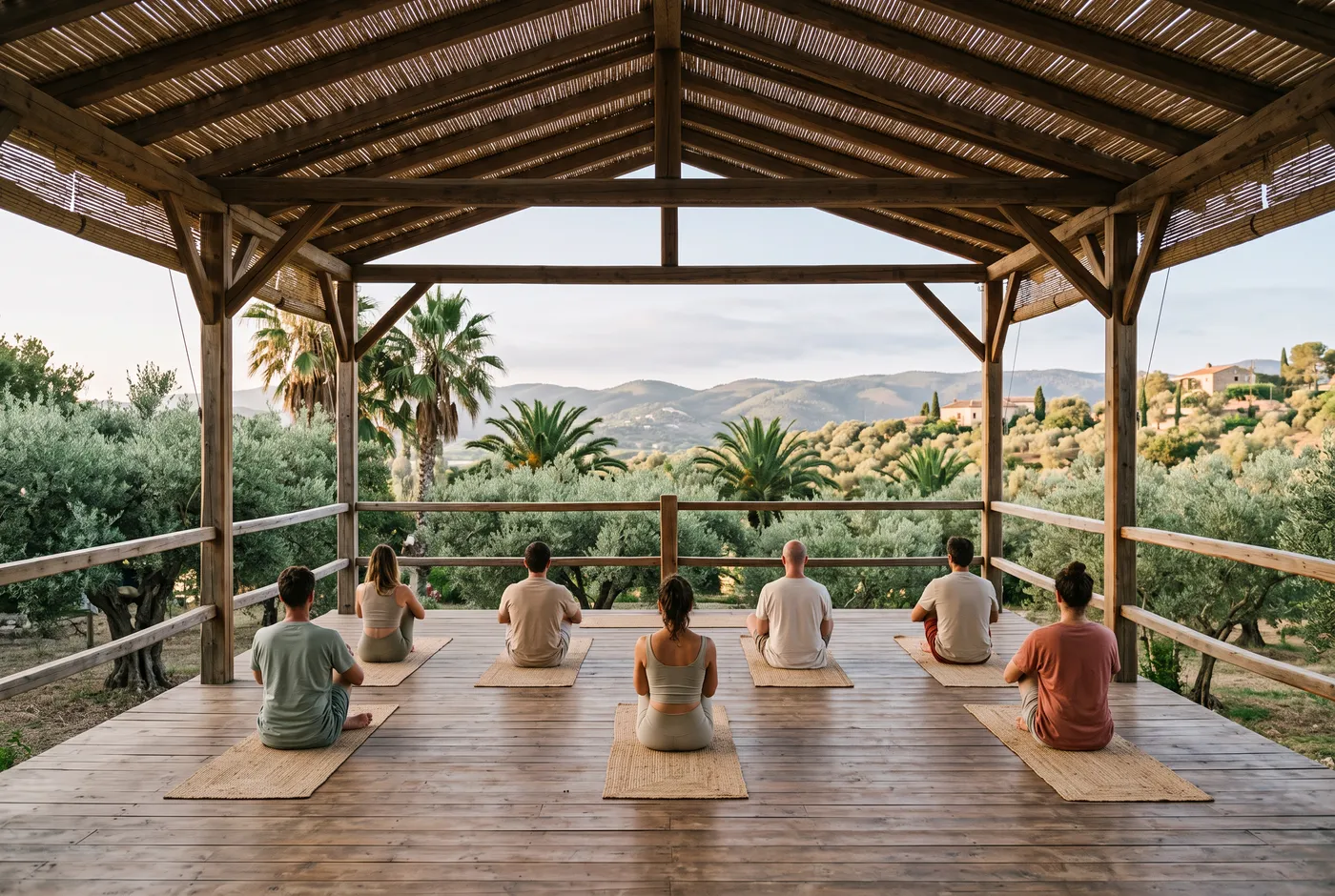

Yoga retreats
Daily classes, long quiet middays and good food. How to choose a yoga retreat that fits your level.
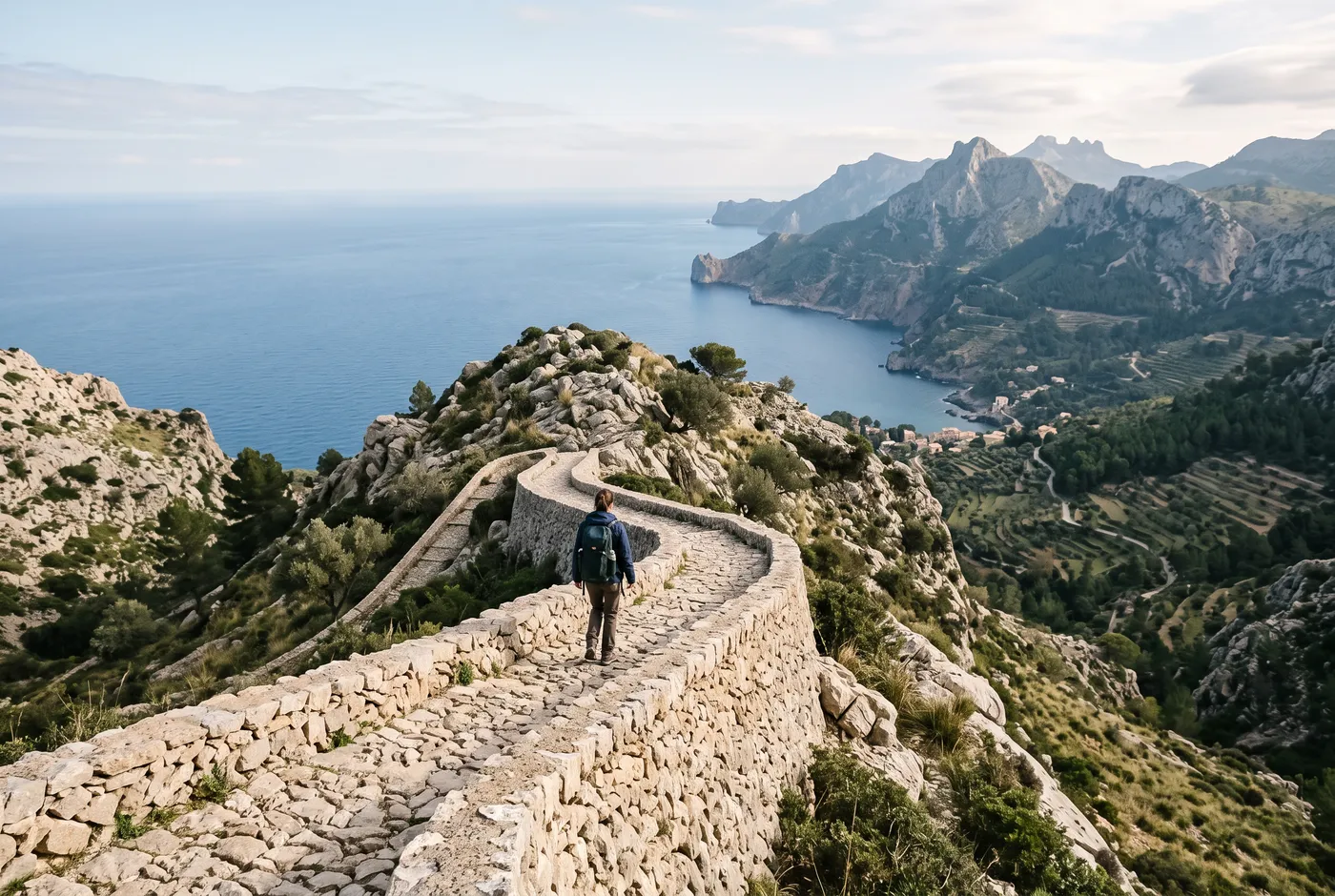
Hiking and active retreats
Long walks, yoga and deep sleep. How hiking retreats work, and how fit you really need to be.
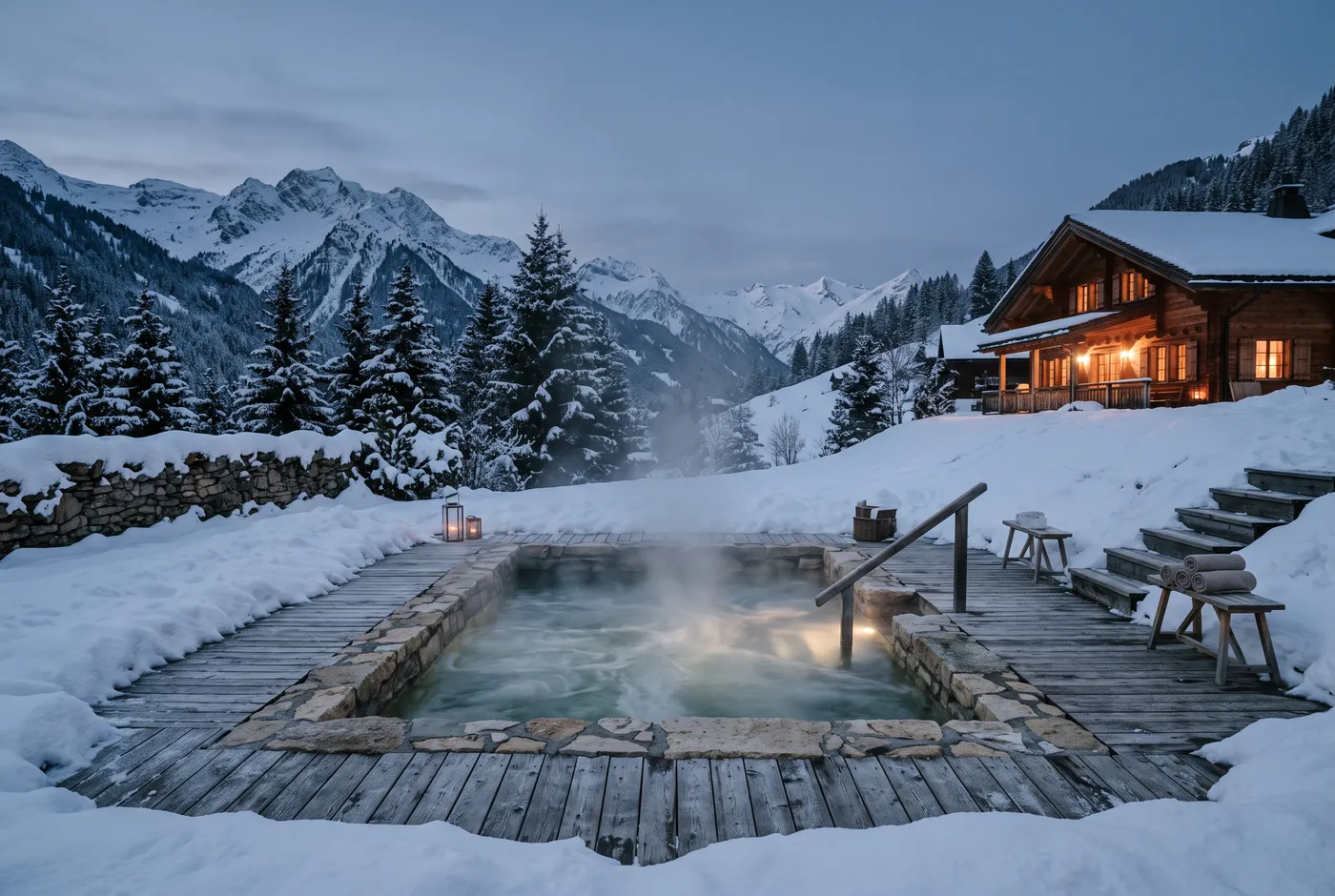
Spa and thermal retreats
Thermal springs, sauna rituals and onsen. The gentlest retreat type, and how to make the most of it.
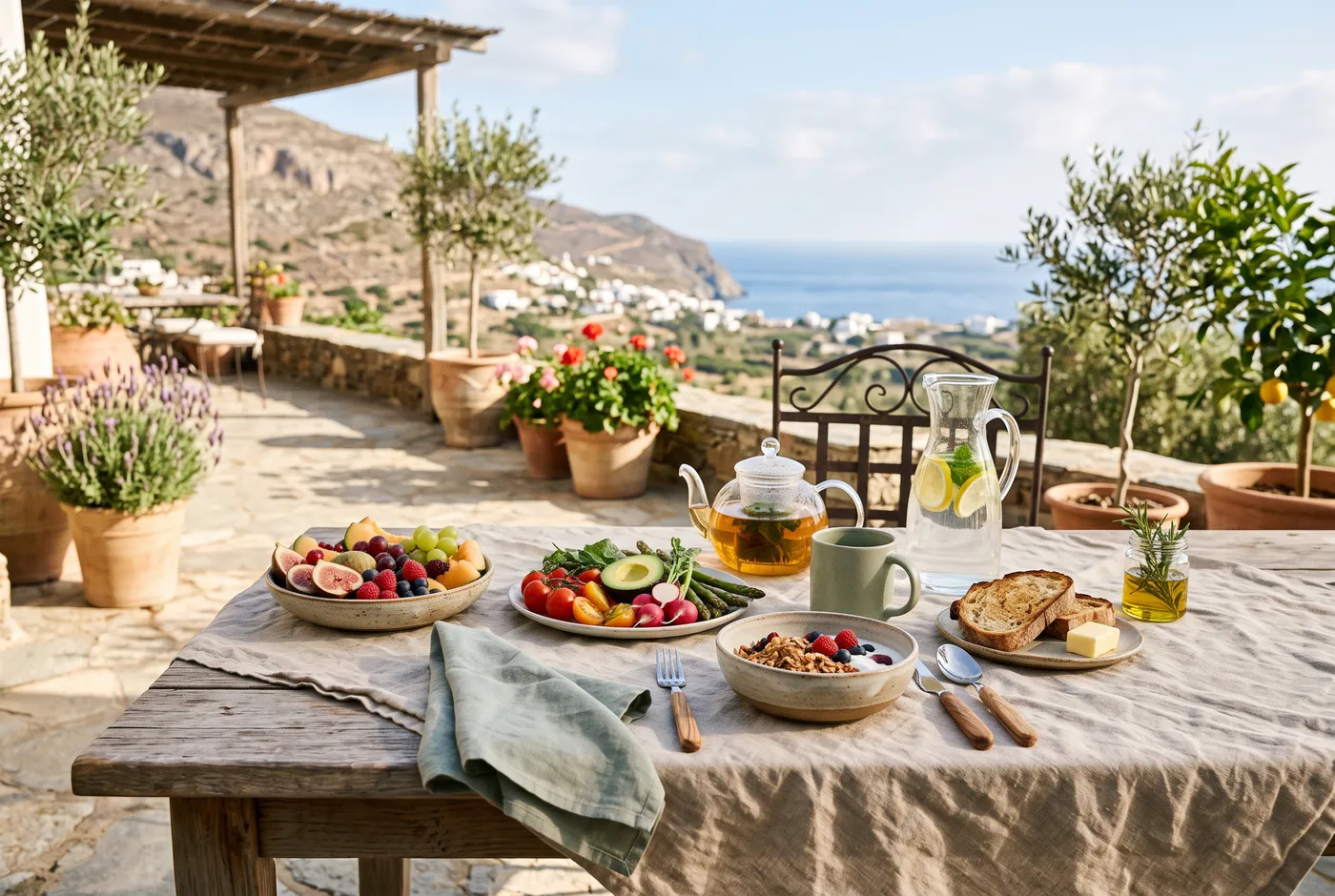
Detox and nutrition retreats
Simple food, no alcohol, more sleep and daily movement. What detox retreats really offer, and what they cannot.
From the journal
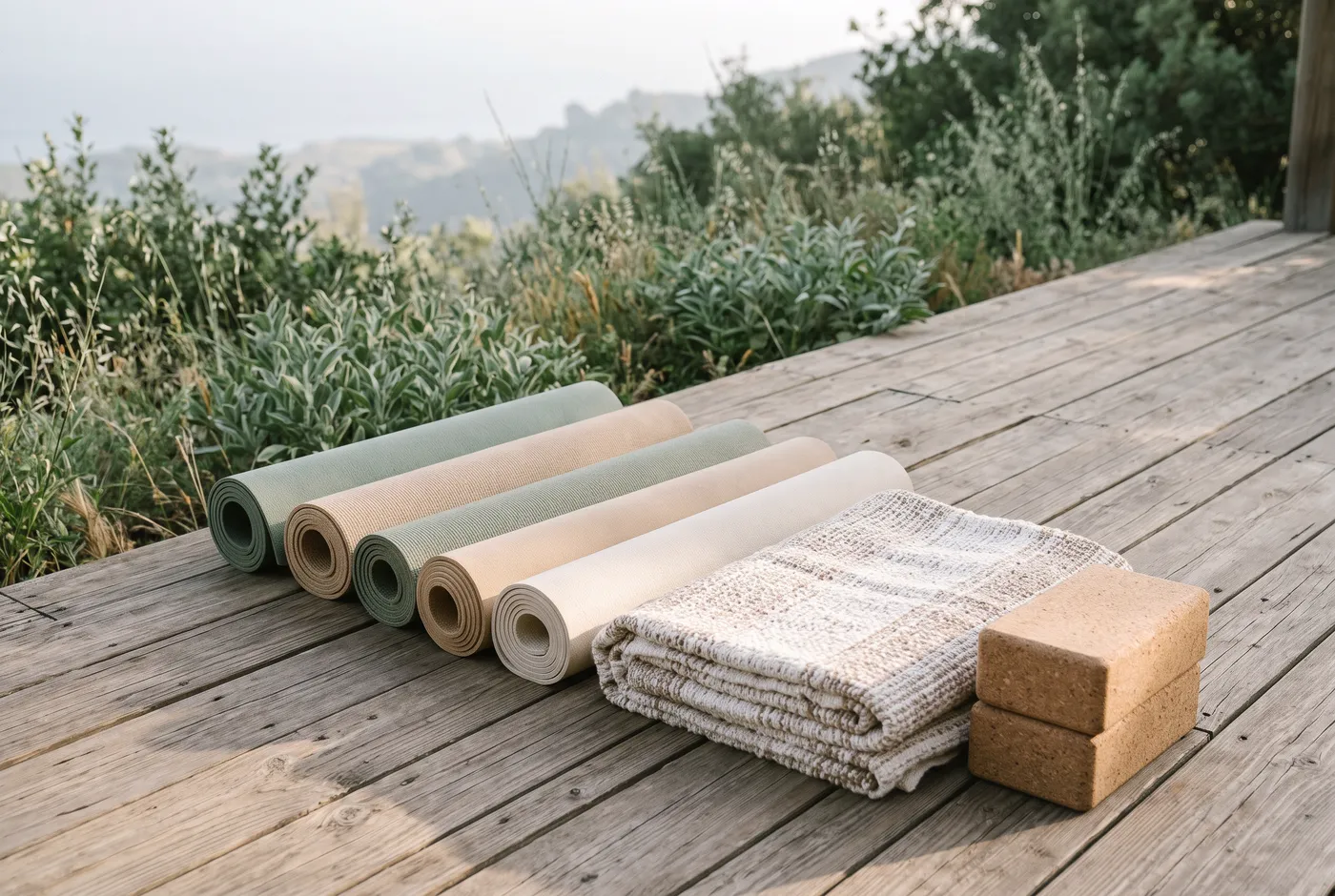
Your first yoga retreat: what to expect, day by day
A typical day, how fit you need to be, what to pack and how to pick a beginner-friendly retreat.
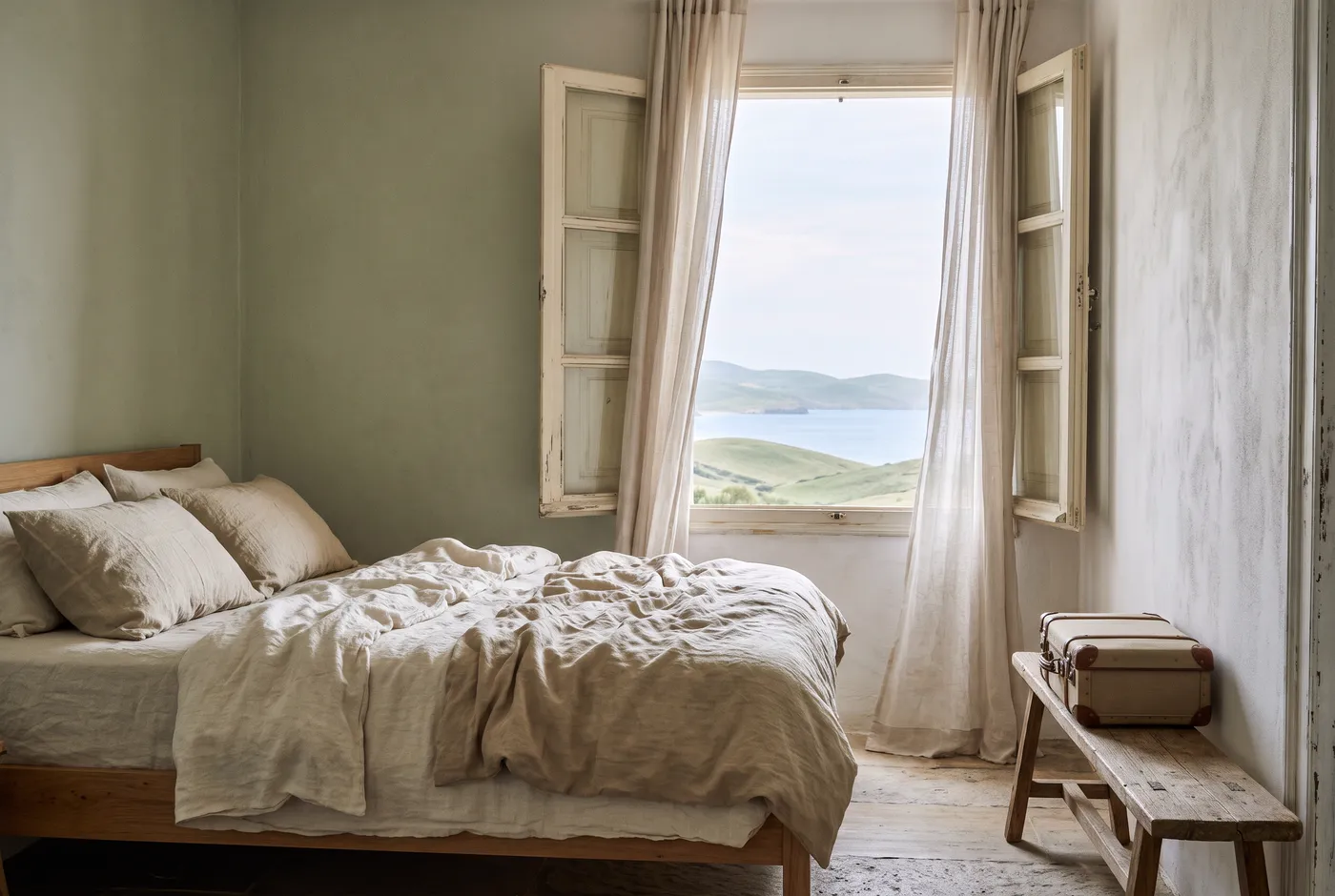
What a wellness retreat really costs, and what isn’t included
Rough price bands for 2026, the extras nobody mentions and how to save without cutting corners.
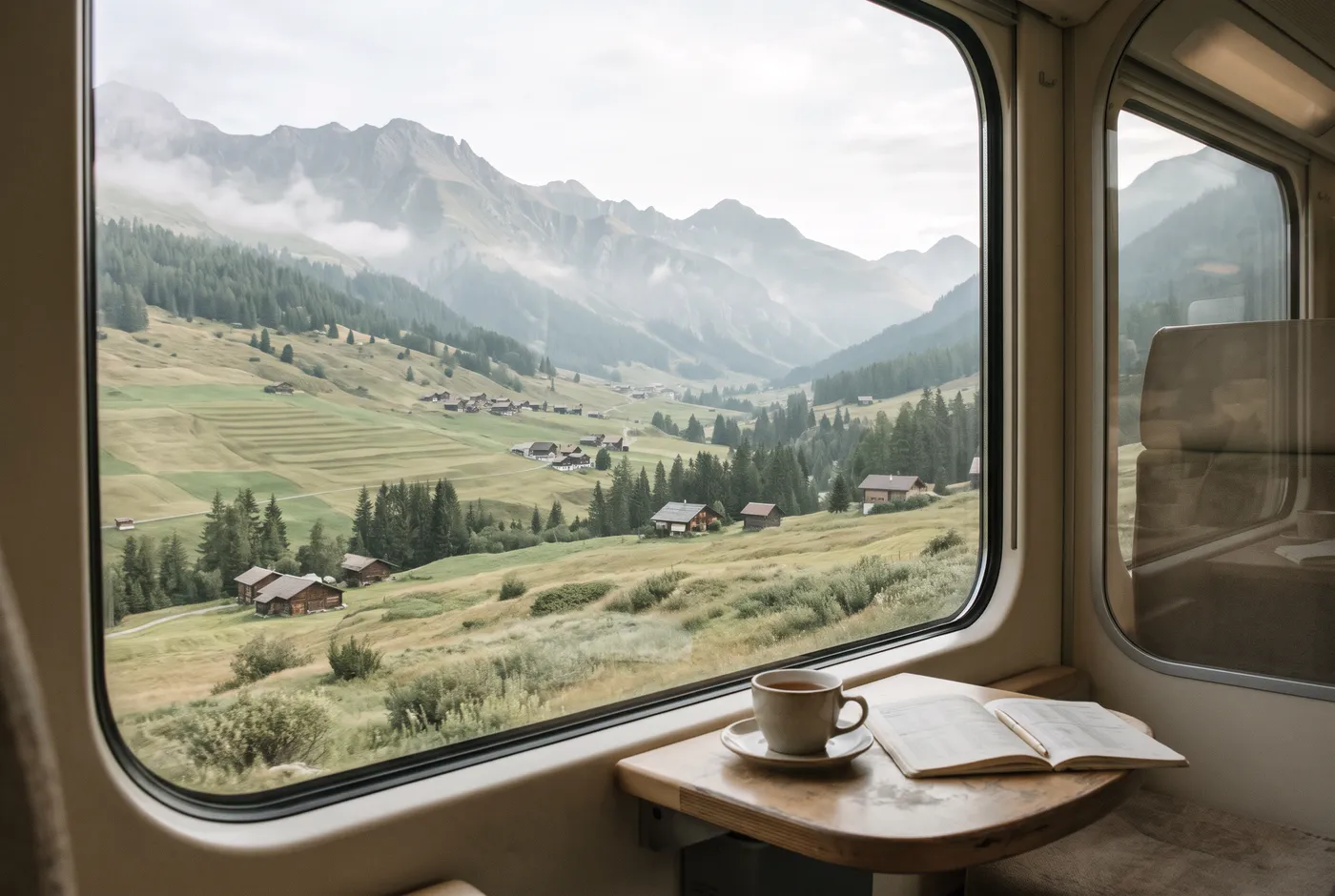
Slow travel, explained: what it is and how to plan it
Slow travel isn’t about speed. It’s about arriving fewer times. What it means and how to plan it.
Tell us how you want to feel.
Send us your wishes in a few clicks. We read every message and reply personally with retreat types, places and good questions to ask hosts.
Plan your retreat