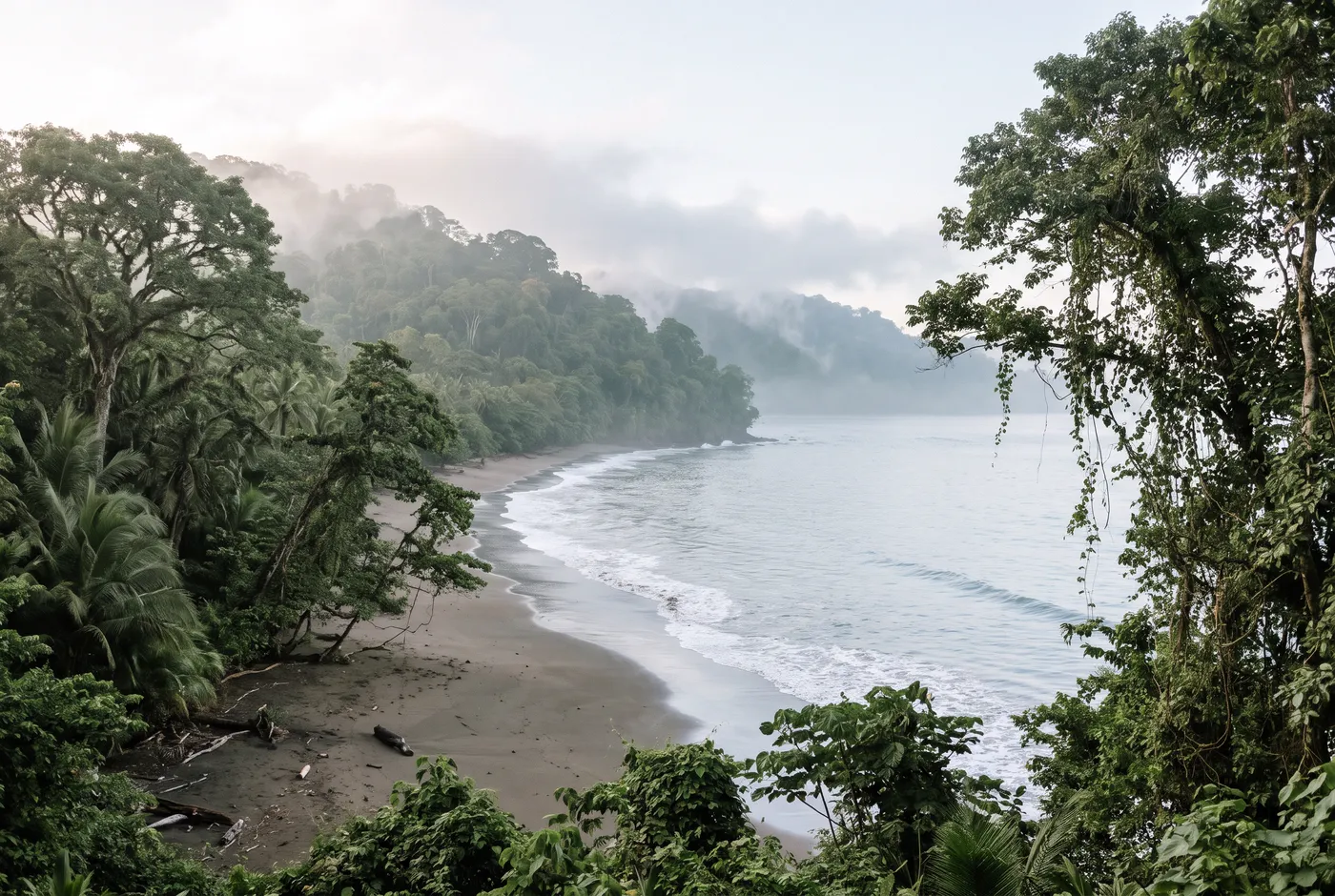
Costa Rica
Costa Rica packs rainforest, volcanoes and two coastlines into a small country, and protects much of it. Retreats here are about early mornings, wildlife and the ocean.
Best time to go
Compare all destinationsThe numbers refer to the Pacific side, including the Nicoya Peninsula and Guanacaste, where the dry season runs roughly from December to April, and September and October are the wettest months. The Caribbean coast follows a different pattern and is often drier in September and October.
Where to stay
Nicoya Peninsula
Long Pacific beaches and small surf towns such as Nosara and Santa Teresa, with many yoga retreats in the hills behind the coast. Dusty in the dry season, lush and muddy in the green season.
Arenal and La Fortuna
The area around Arenal Volcano, with rainforest, a large lake and hot springs. Good for nature walks and for a few days of soaking between more active ones.
Osa Peninsula
The wildest corner of the country, around Corcovado National Park, with dense rainforest and remarkable wildlife. Remote and very wet in the green season, when some lodges close.
The Caribbean coast
Laid-back towns such as Puerto Viejo and Cahuita, with Afro-Caribbean culture, jungle beaches and a different rhythm of seasons. A good alternative in September and October.
Why Costa Rica works for a retreat
Costa Rica has made nature its calling card. National parks and reserves cover a large share of the country, and even in the busier beach towns you are likely to wake to howler monkeys and parrots. For a retreat, that closeness to nature is the point: early mornings, long walks, the ocean and very little to do after dark.
The phrase you’ll hear everywhere is pura vida, used as a greeting, a thank-you and a way of life. It sums up the easy-going pace that many visitors hope to take home with them.
What retreats here are like
Most retreats are on the Pacific coast, especially around Nosara and Santa Teresa on the Nicoya Peninsula. Days start early here, and a typical yoga retreat has practice at around 6:30 or 7 am, then breakfast, a surf lesson or beach time, a long rest through the midday heat, and a second class at sunset. Nature retreats inland add guided rainforest walks, birdwatching and hot springs. With sunset around 6 pm all year, evenings are short and most retreats are quiet by ten.
Some retreats offer ceremonies with psychoactive plants such as ayahuasca. These carry serious medical and psychological risks, can interact dangerously with common medication, and have an unclear legal status. We do not cover them and recommend great caution; our red-flags guide explains what to look out for. For any retreat with intense breathwork, fasting or hard physical activity, talk to your doctor first if you have a medical or mental-health condition.
When to go, month by month
On the Pacific side, the dry season from December to April brings sunshine on almost every day. December to February is the classic retreat season, with green hills early on and busy beaches over Christmas, New Year and Easter. By March and April the land is dry and dusty and the heat builds, but the weather is reliable.
The green season starts in May. Mornings are usually sunny, rain comes in the afternoon, the landscape turns lush and prices fall. Around July there is often a drier spell, known locally as the veranillo, or little summer. September and October are the wettest months, with heavy rain, muddy roads and some places closing for a break, so we don’t recommend them for the Pacific coast. The rains ease through November. On the Caribbean side, September and October are often among the drier months. Check your dates against other places in our when-to-go planner.
Where to stay
For yoga and surf, the Nicoya Peninsula is the main hub, with Nosara the calmer choice and Santa Teresa the livelier one. Inland, Arenal and La Fortuna combine rainforest walks with hot springs, and the cloud forest around Monteverde is cool and misty, good for walking and birdwatching. The Osa Peninsula is for travellers who want real wilderness and don’t mind basic comforts and long transfers. The Caribbean coast around Puerto Viejo has a different culture and season, and works well in autumn.
Many visitors combine two places: a week of retreat by the sea and a few days inland in the rainforest or the cloud forest.
Getting there and around
From Central Europe the flight takes roughly 11 to 13 hours, with seasonal direct flights from Frankfurt to San José; otherwise you change once in Europe or North America. It is a long way to go and a big carbon cost, so make it worth it: stay two or three weeks rather than one, and travel overland once you are there. Our piece on slow travel has ideas.
Distances look short on the map, but roads are slow, winding and sometimes unpaved. San José to Nosara is roughly five hours by road, while Liberia airport is much closer to the Nicoya beaches. Shared shuttles connect the main destinations, and many retreats arrange transfers. If you hire a car, choose four-wheel drive for the green season.
Costs and travelling mindfully
Costa Rica is one of the more expensive countries in Central America. As a rough guide in 2026, a week-long yoga or nature retreat typically costs around €1,200 to €3,000 per person including accommodation and most meals. Return flights from Central Europe often add roughly €700 to €1,300, and transfers, park fees and guided walks add up on top.
Treat wildlife with respect: never feed monkeys or other animals, keep your distance, and choose guides who do the same. Water supply in parts of Guanacaste is under pressure in the dry season, so keep showers short. Support locally owned businesses, learn a few words of Spanish, and follow beach safety advice, as rip currents on the Pacific coast can be strong.
Want nature without the long flight? Compare Portugal or the Alps, see all destinations, or tell us what you have in mind.
Questions people ask
When is the best time for a yoga retreat in Costa Rica?
On the Pacific side, December to April is the dry season and the most popular time, with December to February especially pleasant. The green season from May to November is quieter and cheaper, with mostly afternoon rain. September and October are the wettest months.
Nosara or Santa Teresa: which is better for a retreat?
Both are on the Nicoya Peninsula. Nosara is generally quieter and more spread out, with many yoga retreats in the hills; Santa Teresa is livelier, with more surf, restaurants and nightlife. For deep rest, Nosara usually suits better.
Is Costa Rica good for a solo retreat?
Yes. Retreats are usually small and sociable, and the main retreat areas are used to solo travellers. Use shuttles or transfers rather than driving at night, keep an eye on your valuables on the beach, and respect strong currents when swimming.
How much does a retreat in Costa Rica cost?
As a rough guide in 2026, a week typically costs around €1,200 to €3,000 per person including accommodation and most meals. Return flights from Central Europe often add roughly €700 to €1,300. Green-season dates are usually cheaper.
Should I join an ayahuasca retreat in Costa Rica?
We advise great caution. Ceremonies with psychoactive plants carry serious medical and psychological risks, can interact dangerously with common medicines such as antidepressants, and have an unclear legal status. If you are considering one, talk to your doctor first and read our guide to retreat red flags.
Retreat types that suit Costa Rica
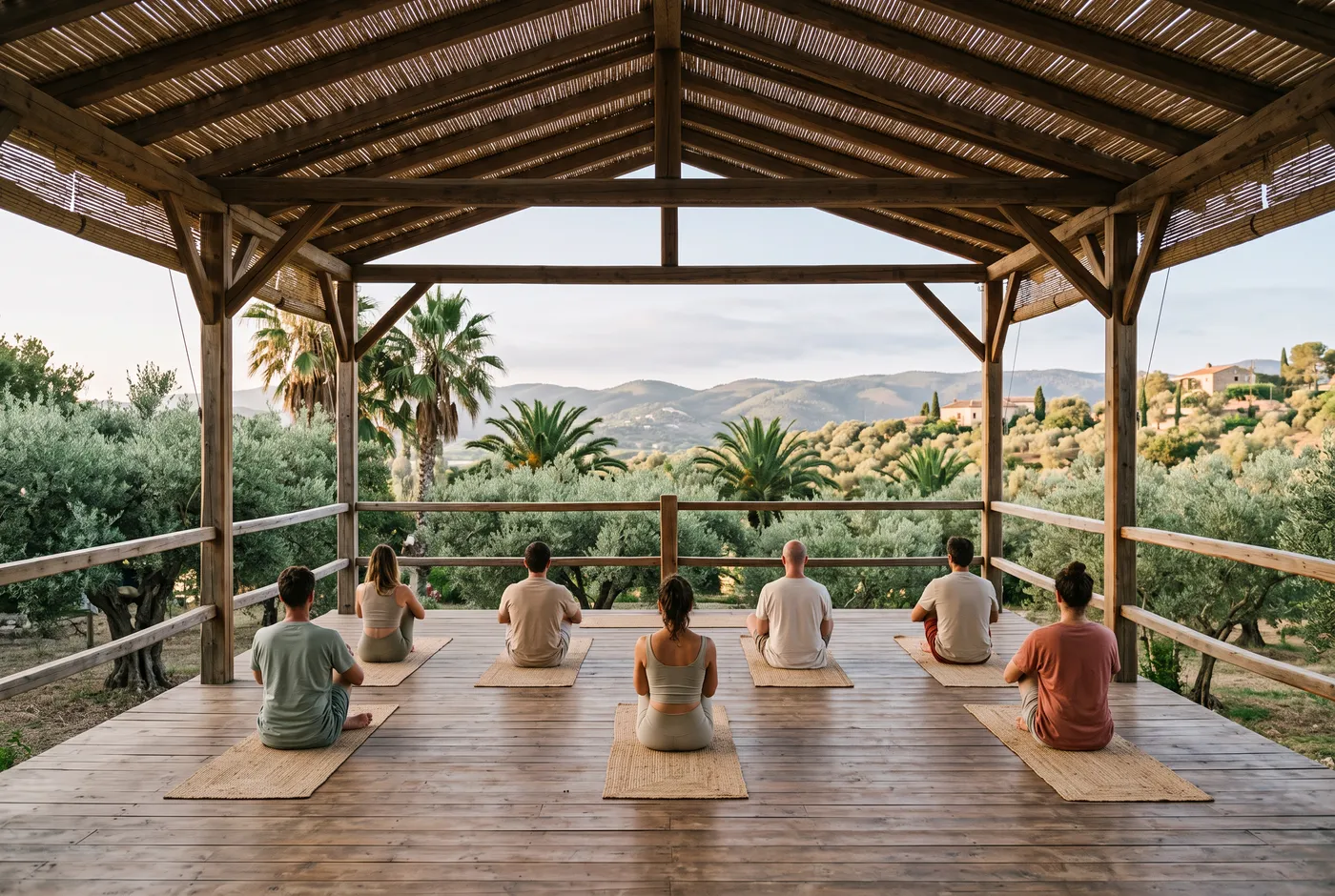

Yoga retreats
Daily classes, long quiet middays and good food. How to choose a yoga retreat that fits your level.
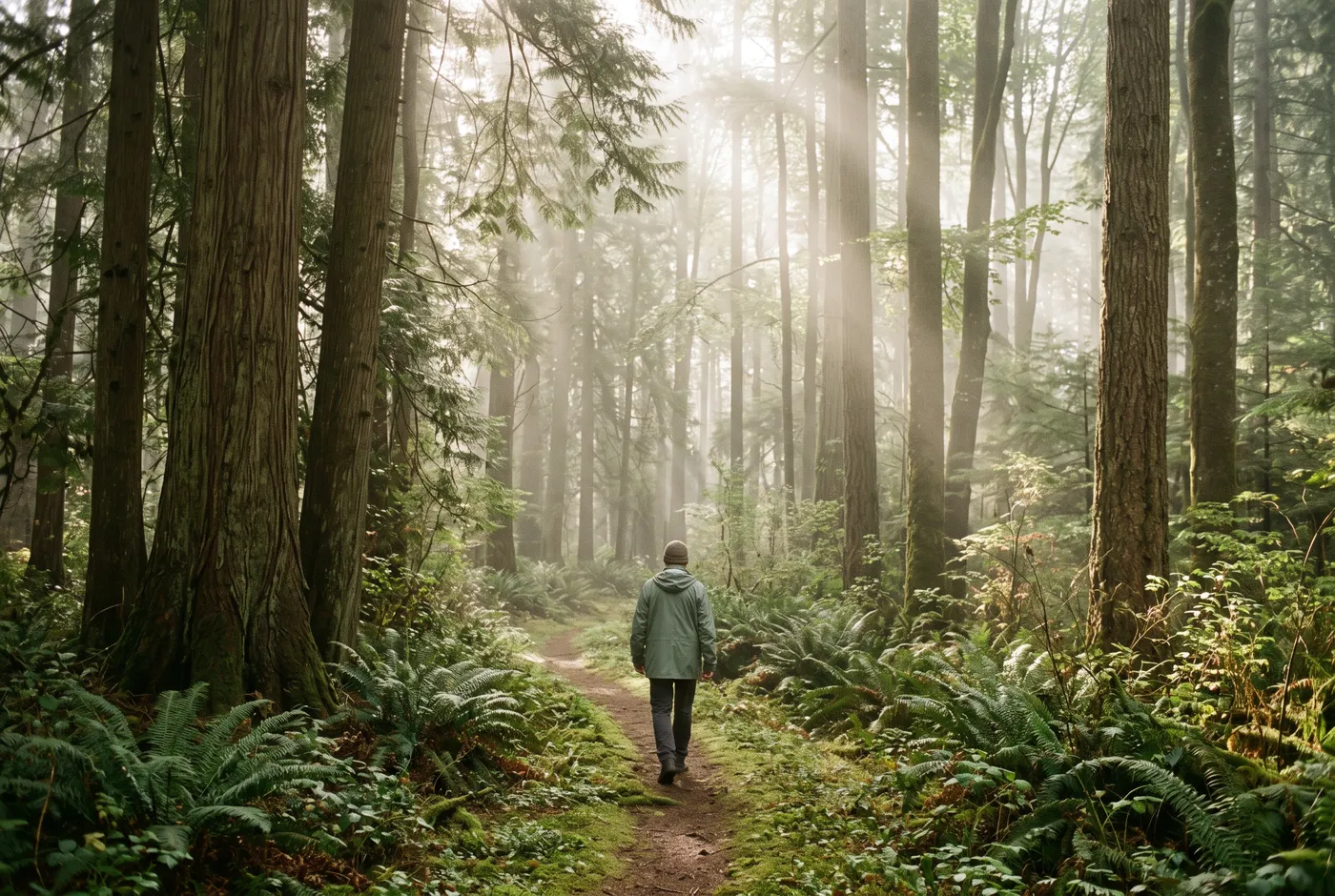
Forest and nature retreats
Forest bathing, wild swimming and dark skies. Slow days outdoors, and how to pick a good guide.
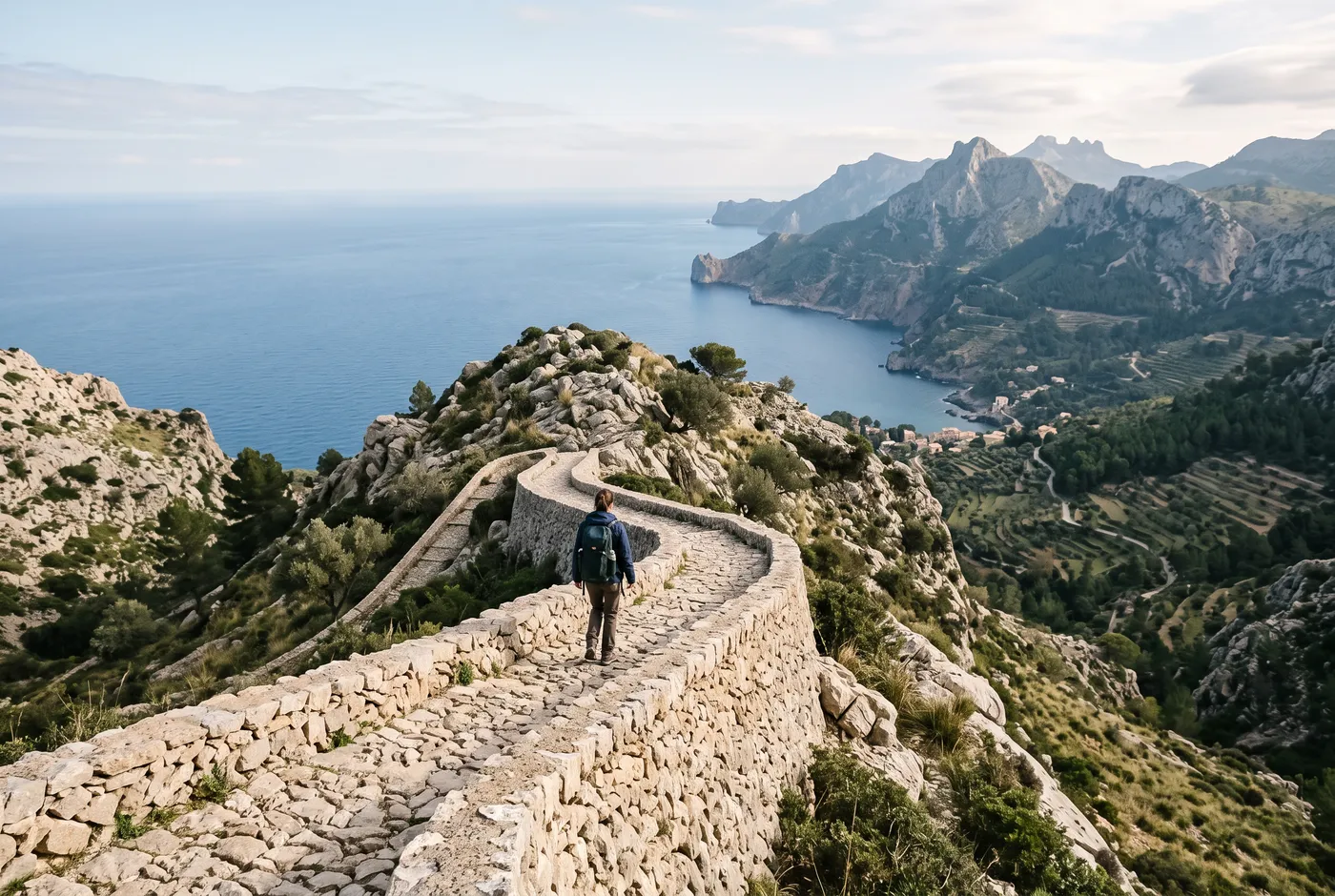
Hiking and active retreats
Long walks, yoga and deep sleep. How hiking retreats work, and how fit you really need to be.
Digital detox retreats
Phones in a locker, days without screens. How digital detox retreats work and how to prepare for one.
From the journal
Slow travel, explained: what it is and how to plan it
Slow travel isn’t about speed. It’s about arriving fewer times. What it means and how to plan it.
Going on a retreat alone: what to know before you book
Why a retreat is one of the easiest ways to travel alone, and how to choose the format, room and place.
How to choose a wellness retreat that actually suits you
Start with what you need, then choose type, length, place and host. A calm, practical decision guide.
Tell us how you want to feel.
Send us your wishes in a few clicks. We read every message and reply personally with retreat types, places and good questions to ask hosts.
Plan your retreat