Ayurveda retreats
Ayurveda is a traditional Indian system of medicine and daily living. An Ayurveda retreat follows its rules for food, routine and treatments, usually for two weeks or more. Here is what that involves, without the mystique.
Good for
- People who want deep rest inside a fixed daily routine
- Those curious about a traditional system of care
- Anyone with two weeks or more to spare
Maybe not for
- Short trips of a few days
- People who dislike oil massages, set menus or strict rules
A typical day
- Wake, warm water and gentle yoga
- Herbal preparation as prescribed, then breakfast
- Doctor’s check-in and the morning treatment
- Lunch cooked for your constitution
- Rest, reading or a short walk
- Second treatment or herbal steam
- Light dinner and meditation; lights out by 21:30
What Ayurveda is, in plain words
Ayurveda is a system of medicine and daily living that developed in India over more than two thousand years. It is widely practised there and officially recognised as a traditional system of medicine. In Europe it is best understood as a traditional practice: some of its advice on routine, food and rest is sensible by any standard, but its theory is not part of modern evidence-based medicine, and an Ayurveda retreat is not a medical treatment.
Its central idea is the three doshas: vata, associated with air and movement; pitta, with fire and digestion; and kapha, with earth, water and stability. Everyone is said to have a personal mix, and imbalance between them is said to cause discomfort. At the start of a retreat, an Ayurvedic doctor assesses your constitution by asking questions, looking at your tongue and taking your pulse, then prescribes food, routine and treatments to match.
Panchakarma and Rasayana
Panchakarma means “five actions” and is the tradition’s intensive cleansing programme. In practice it runs in stages: several days of preparation with oil taken by mouth, daily oil massage and steam; then a main phase of traditional procedures chosen by the doctor, such as herbal laxatives or oil enemas; and finally a period of rest with food gradually restored. The tradition describes this as clearing accumulated imbalances. Modern medicine does not share that explanation.
Rasayana is the rebuilding phase that follows, or a gentler stand-alone programme: nourishing food, daily massage, herbal preparations and plenty of rest. Many people new to Ayurveda book a Rasayana or “rejuvenation” stay first.
A proper Panchakarma takes time. Reputable centres typically recommend 14 to 21 days, and many will not offer it in less. A one-week “Panchakarma” is usually a selection of treatments rather than the full programme.
What actually happens
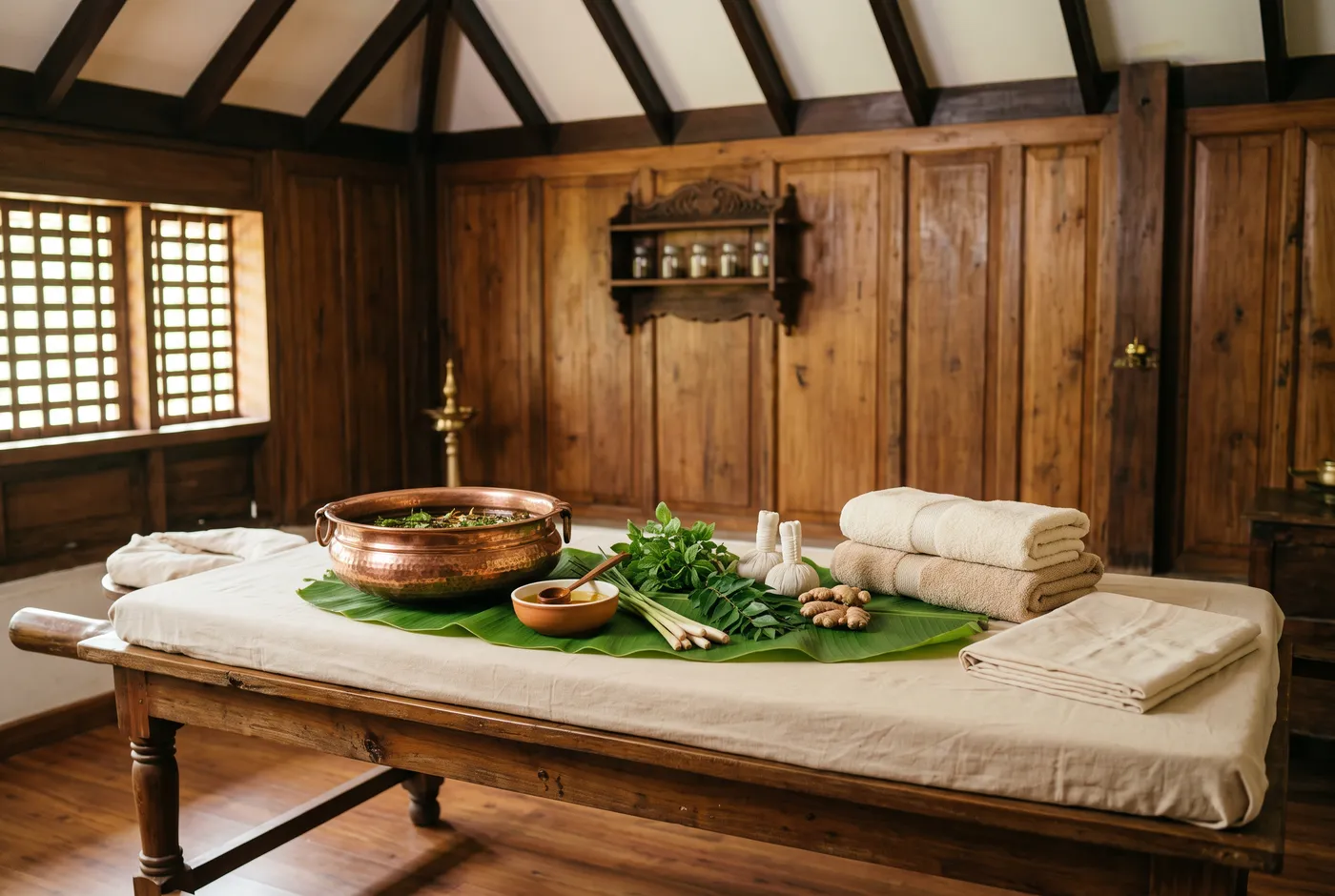
Days are quiet and repetitive by design. You wake early, practise gentle yoga, take your prescribed herbal preparation and have breakfast. The core of the day is one or two treatments: abhyanga, a full-body oil massage often given by two therapists working in sync; shirodhara, a steady stream of warm oil poured over the forehead; herbal steam; or warm poultices of rice or herbs. Meals are vegetarian, simple and set by the kitchen according to your constitution. Alcohol and caffeine are off the menu.
Expect to feel tired, heavy or emotional in the middle phase. Centres usually ask you to rest, stay out of strong sun, avoid hard exercise and remain mostly on site. Wi-Fi may be available, but long hours on a screen run against the whole idea.
How to choose a good centre
- A consultation with an Ayurvedic doctor on arrival and regular check-ins, not just a spa therapist. In India, Ayurvedic doctors hold a university degree in Ayurveda that takes more than five years.
- A written plan that explains what each phase involves and why.
- Honest minimum stays: no full Panchakarma in five days.
- A medical questionnaire that asks about your conditions and every medication you take.
- Clean, calm treatment rooms, and therapists of the same gender if you prefer.
- No promises to cure chronic illness, and no advice to stop prescribed medication.
Our list of retreat red flags applies here with extra force. If what you mainly want is warmth and rest, a spa retreat is simpler; if food is the focus, compare a detox and nutrition retreat or the other retreat types.
Safety, Kerala and cost
Some herbal preparations can interact with prescription medication, for example blood thinners or drugs for diabetes and blood pressure. Show the doctor a full list of what you take, ask what is in everything you are given, and talk to your own doctor before you go if you take regular medication, are pregnant, or have a heart, kidney or liver condition. Some traditional preparations, especially mineral-based ones, have been found to contain heavy metals, so do not bring unlabelled remedies home to keep taking.
Kerala, in south-west India, is the heartland of Ayurveda retreats, with a long tradition of family-run centres and Ayurvedic hospitals. The monsoon months, roughly June to August, are traditionally favoured for treatments, while the drier months from roughly November to March are more comfortable for travel. Our month-by-month planner shows both. Ayurveda-inspired weeks in the Alps or on Bali are a gentler introduction, but rarely the full programme.
As a rough guide in 2026, a mid-range centre in Kerala typically charges roughly €100 to €250 per person per day including treatments, meals and consultations, so about €1,500 to €3,500 for two weeks before flights. Luxury resorts cost considerably more, as do Ayurveda hotels in Europe. If you want help finding a serious centre, tell us what you need.
Questions people ask
What is Panchakarma?
Panchakarma is the intensive cleansing programme of traditional Ayurveda. It runs in stages: preparation with oils and steam, a main phase of procedures chosen by a doctor, and a recovery phase with food gradually restored. It is a traditional practice rather than a proven medical treatment, and it needs a doctor’s supervision.
How long should an Ayurveda retreat be?
For a full Panchakarma, reputable centres typically recommend 14 to 21 days. A Rasayana or rest-focused stay can be shorter, from about a week. Programmes of three to five days are best seen as a taste of Ayurvedic treatments.
What are the three doshas?
Vata, pitta and kapha are the three doshas of Ayurvedic theory, linked to movement, heat and stability. Ayurveda holds that each person has an individual mix, which guides food and treatment choices. It is a traditional framework rather than a concept of modern medicine.
Is Ayurveda safe if I take medication?
Not automatically. Some herbal preparations can interact with prescription drugs. Tell the Ayurvedic doctor about everything you take, ask what each preparation contains, and talk to your own doctor before you go.
When is the best time for Ayurveda in Kerala?
Traditionally, the monsoon months of roughly June to August are considered best for treatments, and prices are often lower then. The drier months from roughly November to March are more comfortable for travelling and sightseeing. Many centres are open all year.
Places that suit ayurveda retreats
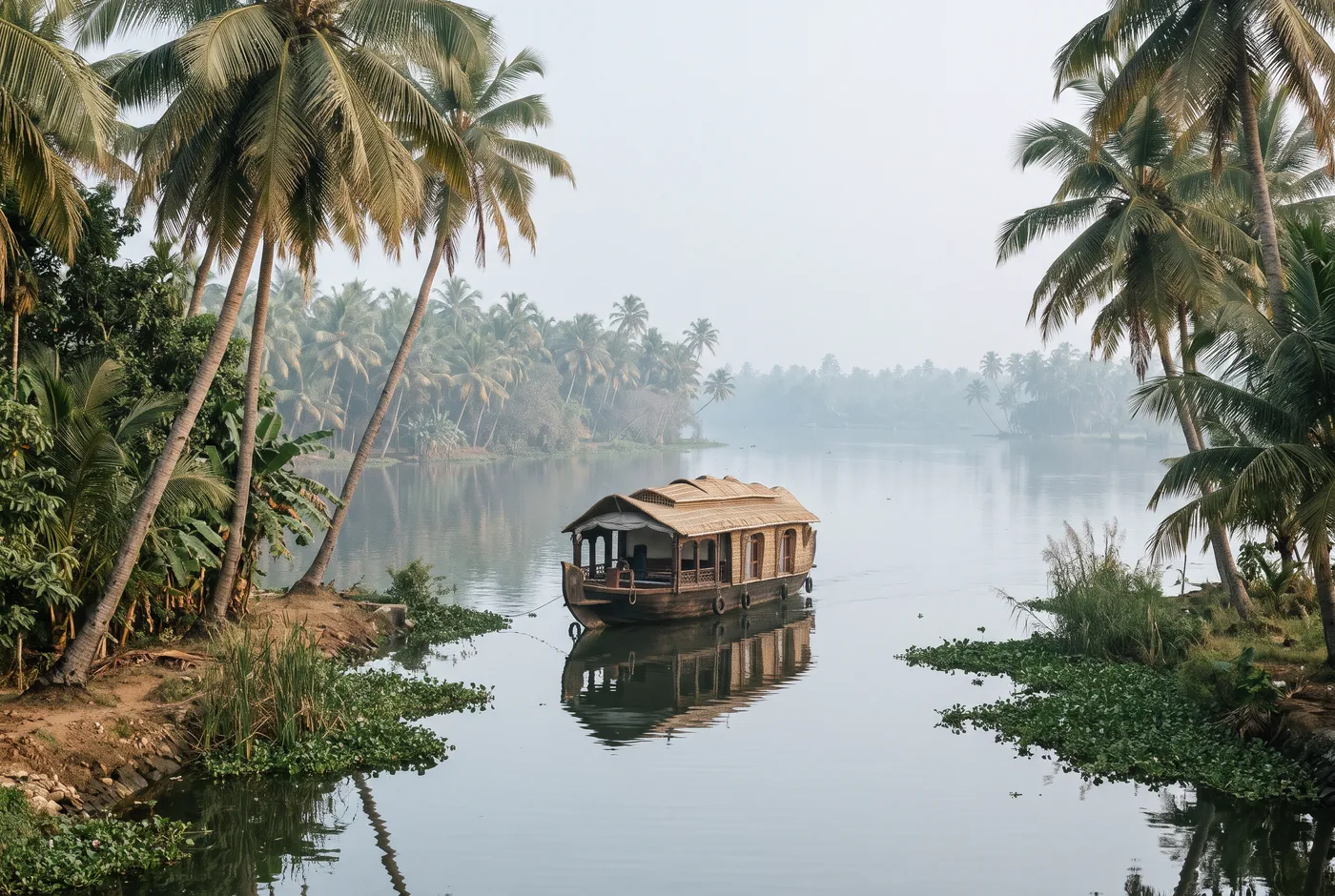

Kerala
Ayurveda in its home state, with backwaters, tea hills and slow, oil-scented days.
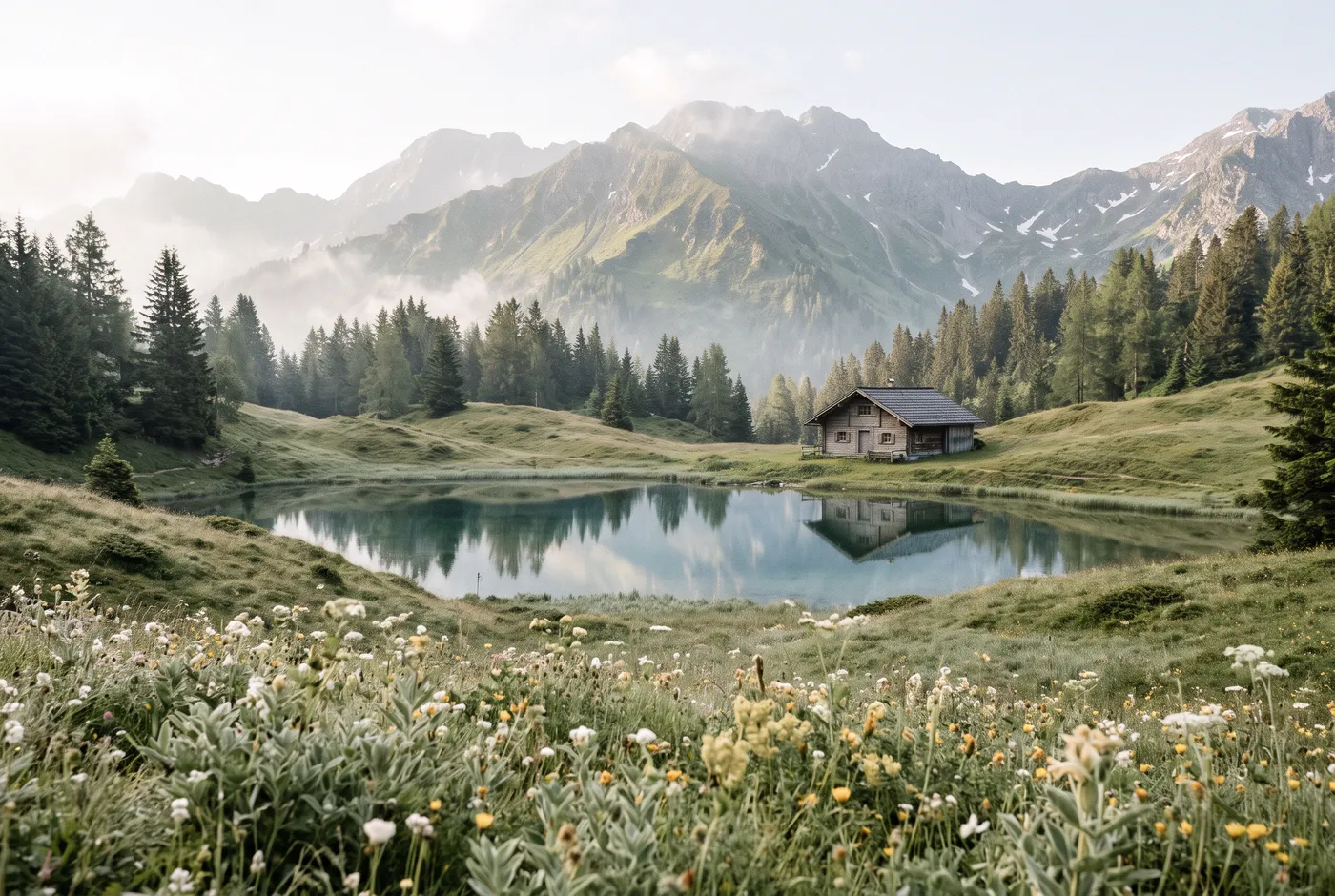
The Alps
Sauna culture, meadow walks and snowy silence, often just a train ride from home.
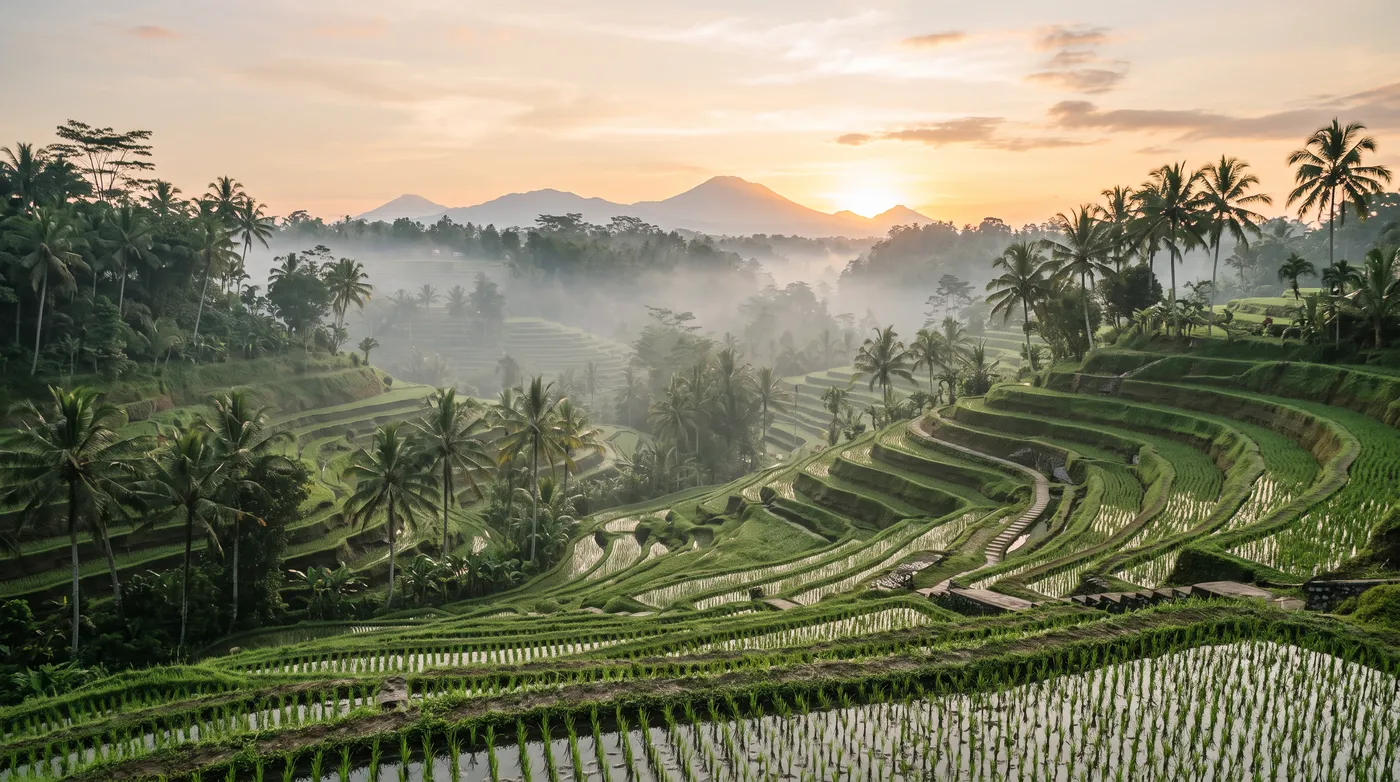
Bali
Dawn yoga above rice terraces, daily offerings and a deep retreat culture. Worth a longer stay.
From the journal
How to spot a good retreat (and the red flags)
Qualifications, health screening, refunds and safety: what good looks like and when to walk away.
What a wellness retreat really costs, and what isn’t included
Rough price bands for 2026, the extras nobody mentions and how to save without cutting corners.
Something else in mind?
Tell us how you want to feel.
Send us your wishes in a few clicks. We read every message and reply personally with retreat types, places and good questions to ask hosts.
Plan your retreat