Digital detox retreats
You hand in your phone on arrival and get it back when you leave. In between: walks, meals, books, conversation and a surprising amount of time. Here is how to make the most of it.
Good for
- People who reach for their phone without noticing
- Anyone who wants rest without a strict programme
- Friends or couples who want time together, offline
Maybe not for
- Anyone on call for work or family who cannot arrange cover
- People who rely on their phone for health monitoring
A typical day
- Wake without a phone alarm, or with a borrowed clock
- Breakfast at a shared table
- Guided walk with a paper map
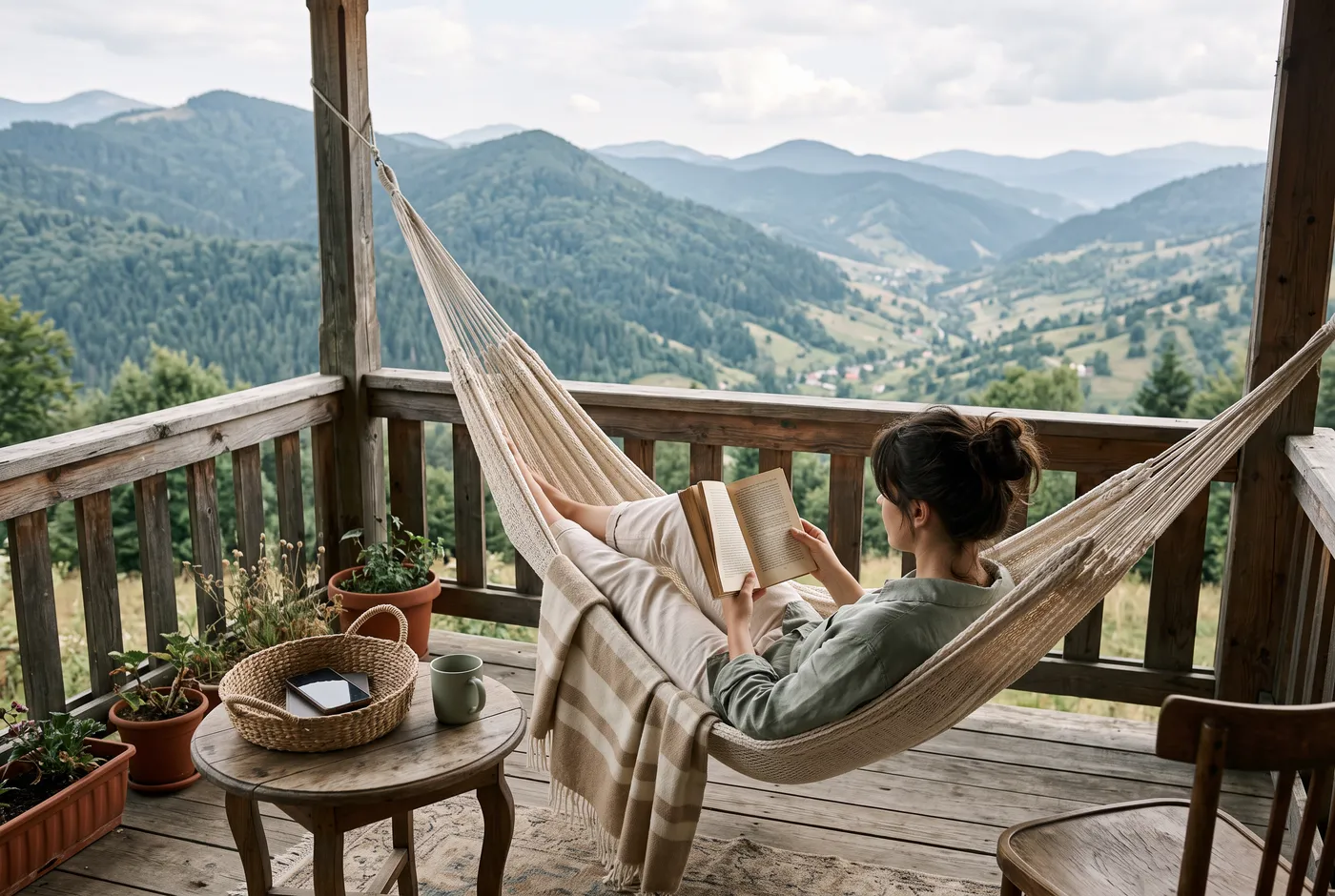
- Lunch, then a long quiet break: hammock, book, notebook
- Hands-on workshop such as pottery, cooking or sketching
- Gentle yoga or a stretching session
- Dinner, then cards, a fire or an early night
What a digital detox retreat is
A digital detox retreat is a stay where phones, laptops and tablets are put away for the whole time, usually in a locker or sealed pouch at check-in. Some take place in remote houses with no Wi-Fi at all; others are ordinary retreats or hotels running an offline programme. The idea is simple: remove the device, and see what your attention does with the space.
It works through design rather than willpower. You are not asked to resist your phone for a week; it just is not there. Most people notice the reflex first, the hand reaching for a pocket in every queue and every pause. After a day or two that reflex fades, and the days start to feel noticeably longer.
What you do instead
Good programmes fill the gap without filling the day. Expect walks with paper maps, long meals at shared tables, reading, journaling and hands-on workshops such as cooking, pottery, woodwork or sketching. Many add gentle yoga or meditation, and some hold analogue days when even the staff work without screens. The rest is unscheduled time, which can feel strange at first. Boredom is part of the point: it is often where ideas, and rest, come back.
The first evening is often the strangest. Without phones on the table, people talk at dinner, notice the light changing over the hills and go to bed earlier than they planned. By the second or third day, many guests find themselves reading for an hour without looking up, something that may not have happened in years.
Rules on cameras vary. Some retreats allow a simple camera but no phone; others hand out disposable film cameras. Ask beforehand if photographs matter to you.
How to prepare
The more you settle before you leave, the less your phone will be on your mind once it is in the locker. A phone-free evening or two at home beforehand also shows you where the reflex is strongest.
- Set an out-of-office reply and a voicemail message that says when you will be back.
- Give family the retreat’s landline or emergency number. Good venues pass on urgent calls.
- Hand over work properly: who decides what while you are away, and what can wait.
- Print or write down your travel documents, booking details and the venue’s address.
- Pack a wristwatch, an alarm clock, a paper book and a notebook.
- Check how much time you spend on screens now with our digital detox calculator, so you know what you are getting back.
How to choose a good one
- A clear device policy: locker, pouch or honour system, and what happens in an emergency.
- A real programme beyond “no phones”: walks, workshops, good food and enough quiet places to sit.
- Small groups and a host who is present without being intrusive.
- A setting that helps: countryside, mountains or coast, where the alternative to scrolling is obvious.
- An honest description of Wi-Fi and signal. “No Wi-Fi in rooms” is not the same as offline.
- No televisions in the rooms, or at least the option to have them taken out.
There is no qualification for running a digital detox, so look at the hosting instead: someone who has led offline groups before, plans the days with care and meets the first-day restlessness with good humour. Workshop leaders should be practising cooks, potters or yoga teachers in their own right, and if yoga or meditation is part of the programme, the usual questions about teachers apply.
Location matters less than with other retreat types, but rural Portugal, the mountain valleys of the Alps and the quiet inland villages of Mallorca all make it easy. If you would like the screen break to come with more stillness, a meditation retreat goes further; for more time outdoors, look at nature retreats, or compare all retreat types.
Practicalities and cost
Three to five nights is the most common length, and even a long weekend makes the difference noticeable. As a rough guide in 2026, a three- to five-night offline retreat in Europe typically costs roughly €400 to €1,500 per person with meals, depending on the venue and how many workshops are included. If you rely on your phone for medication reminders or health monitoring, keep it and tell the host; a good retreat will find a way that works.
The harder part is the return. Decide before you leave which apps go back on your phone, and keep one or two analogue habits, such as a phone-free breakfast or a walk without headphones. Our guides to slow travel and life after the retreat help with both. If you want help finding a truly offline place, send us your wishes.
The first day without a phone feels long. By the third, that is the best thing about it.
Questions people ask
What is a digital detox retreat?
It is a retreat where you put your phone and other devices away for the whole stay, usually in a locker at check-in. In return you get walks, meals, workshops and unstructured time. The aim is rest and attention, not a test of willpower.
What if there is an emergency at home?
Good retreats give you a landline or emergency number to leave with family, and staff pass on urgent messages. Ask how this works before you book. If you are the only carer for someone, arrange cover or choose a retreat with a looser policy.
How long should a digital detox last?
Three to five nights is the most common length and long enough to notice a difference. A weekend works as a first try. Longer stays are possible, but the return home is where habits really change.
Can I bring a camera or an e-reader?
Policies vary. Many retreats allow a simple camera or a paper book but not a phone, and e-readers often depend on whether they connect to the internet. Ask before you go.
Can I do a digital detox without going on a retreat?
Yes, but it is much harder at home, where every routine is tied to a screen. A retreat removes the device and the habits around it at the same time. Our digital detox calculator shows how many hours a week you could get back.
Places that suit digital detox retreats

The Alps
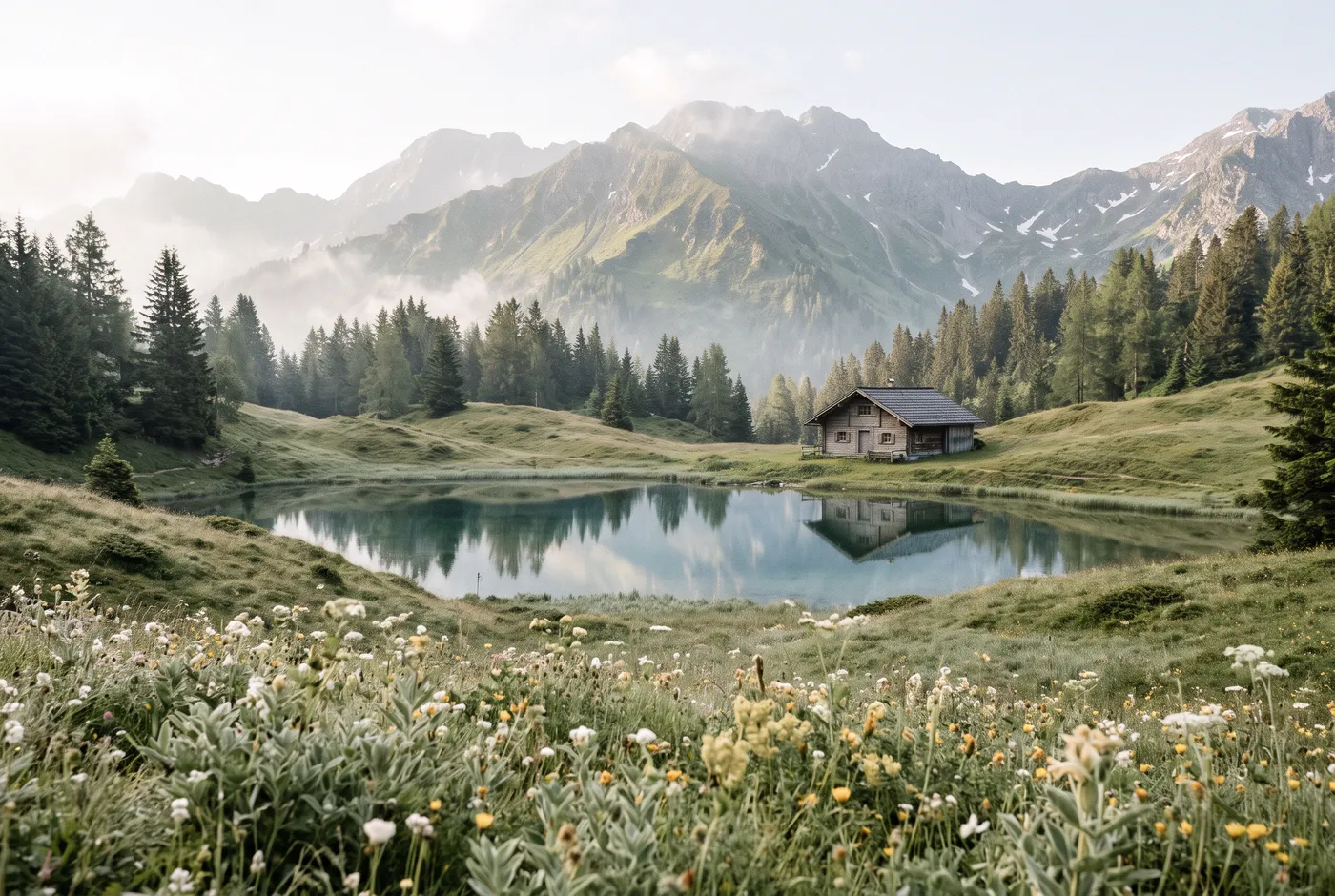
Sauna culture, meadow walks and snowy silence, often just a train ride from home.

Portugal
Atlantic cliffs, cork-oak plains and surf-and-yoga mornings at an unhurried pace.

Mallorca
Mountain villages, olive terraces and spring walks, a short flight from home.
From the journal
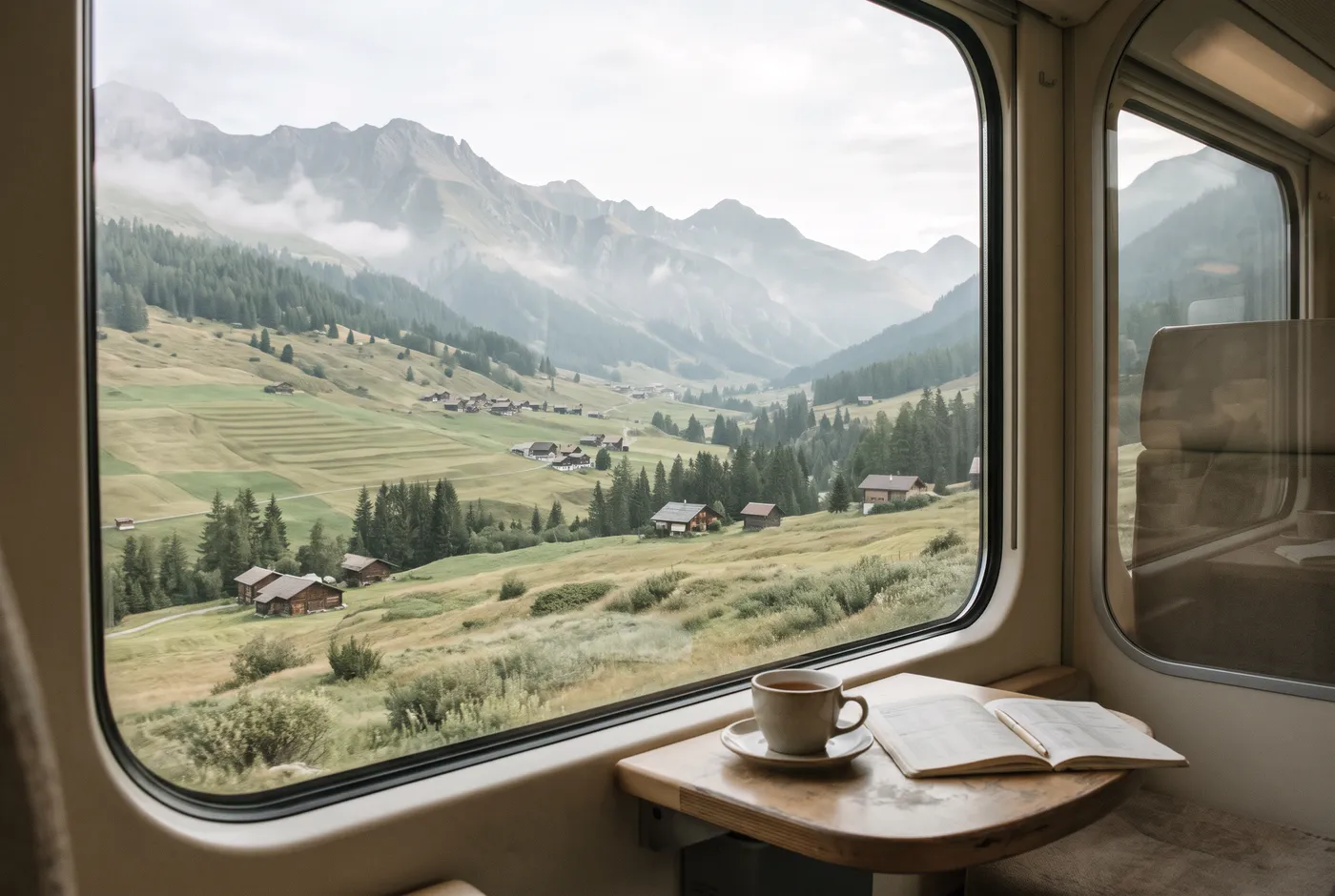
Slow travel, explained: what it is and how to plan it
Slow travel isn’t about speed. It’s about arriving fewer times. What it means and how to plan it.

After the retreat: how to keep the calm when you get home
The calm came from conditions, not the place. How to rebuild a few of them once you are home.
Tell us how you want to feel.
Send us your wishes in a few clicks. We read every message and reply personally with retreat types, places and good questions to ask hosts.
Plan your retreat