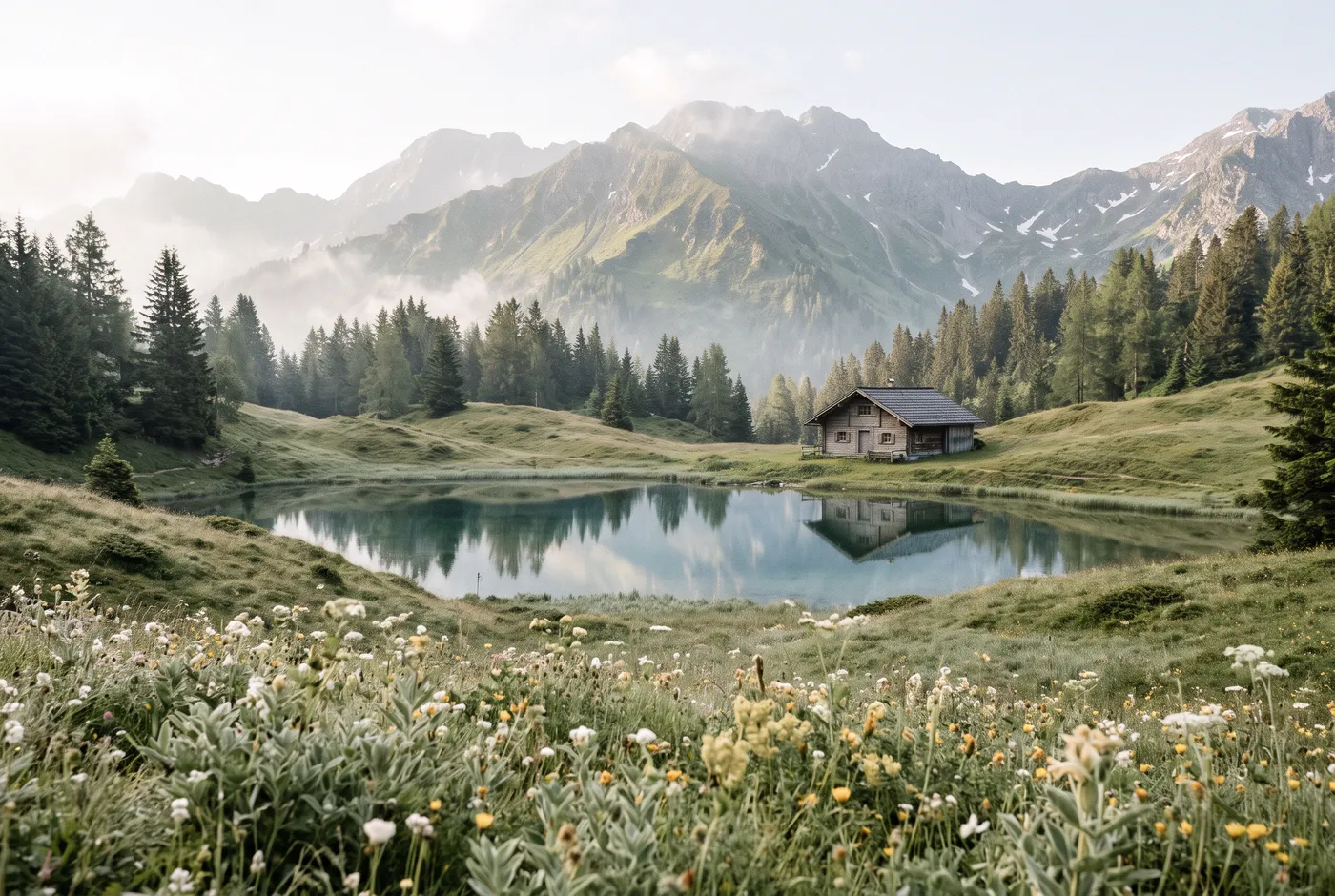
The Alps
Clear air, cold lakes and a long bathing culture. The Alps are the retreat you can reach by train, in summer for walking and in winter for warmth and quiet.
Best time to go
Compare all destinationsThe Alps have two seasons: summer from June to September for walking, and winter from December to March for snow, spa days and quiet. Many hotels, huts and lifts close in April and November and often into May, while lower spa towns such as Merano in South Tyrol stay open for much of the year.
Where to stay
Tyrol
Austria’s high mountain province around Innsbruck, with side valleys such as the Ötztal, Stubaital and Zillertal. Strong on hiking, spa hotels and winter quiet away from the big ski areas.
Salzburger Land and the Salzkammergut
Lakes, softer mountains and a long tradition of spa towns, among them Bad Ischl and the Gastein valley. Good for lake swims, gentle walks and thermal baths.
South Tyrol
Italy’s German-speaking north, from the spa town of Merano and its orchards to the Dolomites, a UNESCO World Heritage site. Alpine scenery, Italian food and a long season in the lower valleys.
Graubünden and the Engadin
Switzerland’s largest canton, with high valleys, larch forests and lakes around St. Moritz and the Lower Engadin. Excellent rail connections, clear light and a spacious, unhurried feel.
Why the Alps work for a retreat
There is something about mountain air. Long days outside, cool nights and a view that changes with the light do a lot of the work for you, and many people find they sleep better after a single day of walking. The Alps add a deep bathing culture: saunas, steam rooms, thermal pools, cold plunges and Kneipp water-treading pools beside the trails.
For travellers from Germany, Austria, Switzerland or northern Italy, the Alps are also the most honest answer to the question of how to retreat without flying. Many valleys are a few hours away by train, which means less time in transit and more time actually resting.
What retreats here are like
Alpine retreats come in two broad styles. In summer, hiking retreats and nature weeks centre on walks of three to six hours, with yoga or stretching in the morning or evening and a sauna to finish. In winter, the focus shifts to spa and thermal stays, snowshoe walks and long, quiet evenings by the fire.
You’ll also find retreats built around fasting or simplified diets, a tradition that runs deep in Austria. These can be demanding: if you have a medical condition, take medication, are pregnant or have a history of eating disorders, talk to your doctor before you book. Meditation and digital-detox stays in remote side valleys complete the picture, and in some of them mobile reception is patchy anyway.
When to go, month by month
Summer runs from June to September. June brings flowering meadows and long evenings, though high trails and huts often only open from mid or late June. July and August are the busiest months, with warm days and afternoon thunderstorms, so start walks early. September is many walkers’ favourite: settled weather, clear views and fewer people. October can be beautiful, with golden larches, but lifts and huts start to close.
Winter runs from December to March. Early December is quiet, the Christmas weeks are busy, and January and February are the snowiest months, ideal for spa days and snowshoeing, although school holidays in February fill some resorts. March brings longer, sunnier days. April and November are the true off-season, when many hotels close for maintenance and villages fall silent. In May, the lower valleys turn green and some hotels reopen, but higher trails are still under snow; the area around Merano is lovely in spring. Compare all months in our when-to-go planner.
Where to stay
Tyrol is the classic choice for walking and spa hotels, with side valleys that are much quieter than the big ski resorts. Salzburger Land and the Salzkammergut suit gentler walking, lake swims and thermal baths. South Tyrol mixes alpine scenery with Italian food and a longer season in the lower valleys around Merano. In Switzerland, Graubünden and the Engadin offer high, spacious valleys and some of the best rail connections in the mountains.
As a rule, choose a side valley over a famous resort, and a small village over a big one. You’ll trade some nightlife for quiet, which is rather the point.
Getting there and around
This is where the Alps shine. Innsbruck, Salzburg, Zurich, Chur and Bolzano are all on main rail lines, and Munich to Innsbruck takes roughly two hours by train. Night trains connect parts of Germany with Austria, and regional buses reach most villages. Many hotels give guests a card with free or cheap local transport, so ask when you book. For ideas on making the trip part of the rest, read about slow travel.
Once you are there, you rarely need a car. Cable cars, trains and buses connect the trailheads, and walking straight out of the door is half the appeal.
Costs and travelling mindfully
The Alps are not cheap. As a rough guide in 2026, a week in a spa or walking hotel with half board typically costs around €1,200 to €3,000 per person, and specialised fasting or medical-spa programmes cost more. Mountain guesthouses and simpler retreats can be considerably cheaper, especially in early summer and autumn. Arriving by train saves on parking and fuel, and a local guest card often covers buses and some cable cars.
Mountains are fragile. Glaciers are visibly shrinking, a few photogenic spots in the Dolomites are overcrowded in summer, and villages depend on visitors who stay rather than pass through. Arrive by train, spend a week in one valley, keep to marked paths, take your rubbish home and respect quiet hours in villages and huts. Saunas and very cold plunges put real strain on the heart and circulation, so ask your doctor first if you have heart or blood-pressure problems.
Prefer sea air to mountain air? Compare Mallorca or Portugal, see all destinations, or send us your wishes.
Questions people ask
When is the best time for a wellness retreat in the Alps?
It depends on what you want. June to September is best for walking and lake swims, with September often the most settled month. January and February are best for snow, spa days and winter quiet. Avoid April and November, when many hotels and lifts close.
Can I reach the Alps by train?
Yes, and it is one of the best reasons to choose them. Innsbruck, Salzburg, Zurich, Chur and Bolzano are on main rail lines with good connections from Germany, and regional trains and buses reach most valleys. Many hotels help with the last stretch.
Do you wear swimwear in saunas in Austria and Switzerland?
Usually not in the sauna itself. In the German-speaking Alps, saunas are typically textile-free and you sit on a large towel, while pools and relaxation areas often require swimwear or a robe. Check the house rules, and look for women-only times if you prefer.
How much does a spa retreat in the Alps cost?
As a rough guide in 2026, a week in a spa or walking hotel with half board typically costs around €1,200 to €3,000 per person. Specialised fasting or medical-spa programmes cost more, and simple guesthouses less. Christmas, New Year and the February holidays tend to be the most expensive weeks.
Austria, South Tyrol or Switzerland: which is best for a retreat?
All three work well. Austria has a deep spa-hotel tradition and many quiet side valleys, South Tyrol combines mountains with Italian food and a longer season in its lower valleys, and Switzerland has superb public transport but is usually the most expensive.
Retreat types that suit The Alps
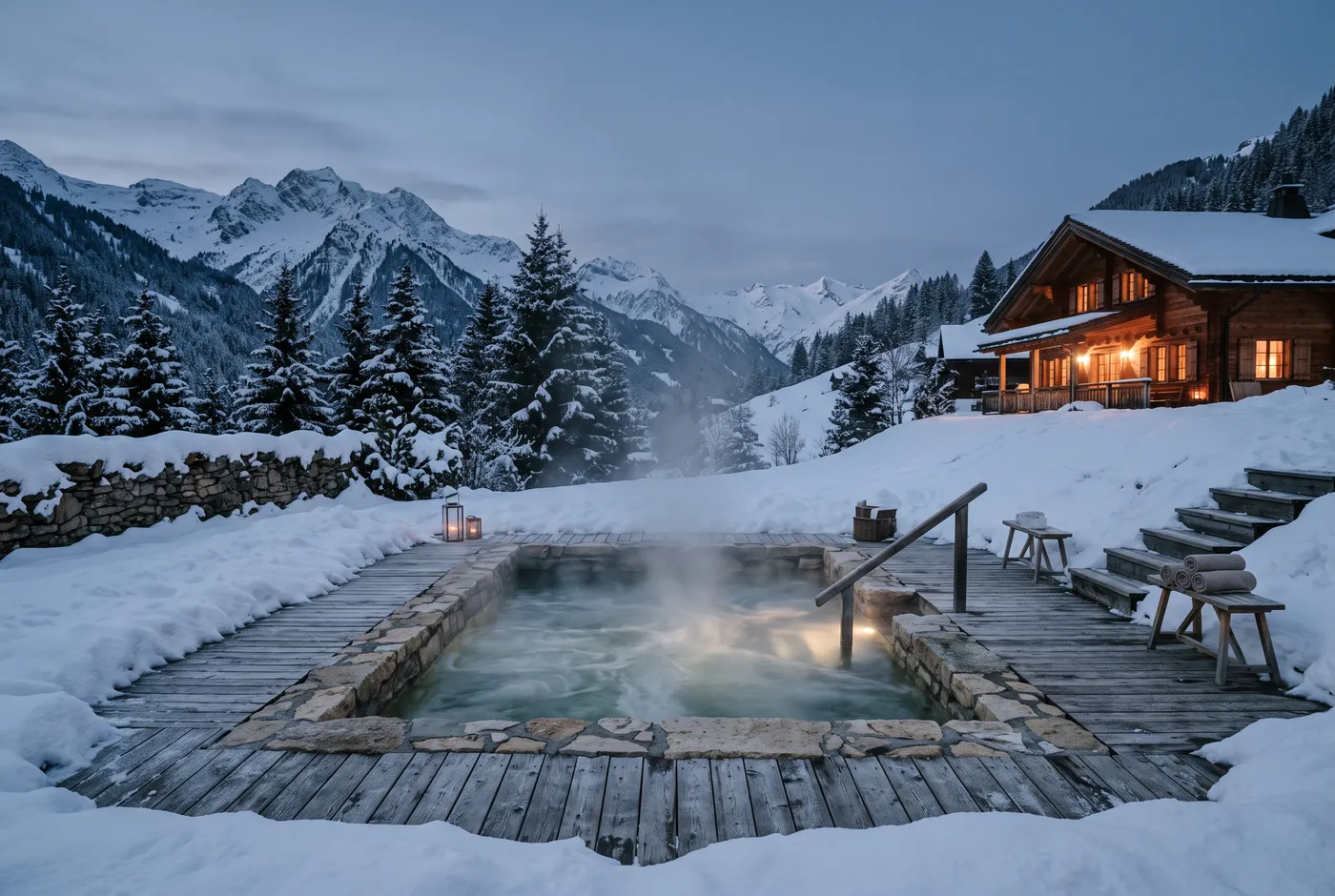

Spa and thermal retreats
Thermal springs, sauna rituals and onsen. The gentlest retreat type, and how to make the most of it.
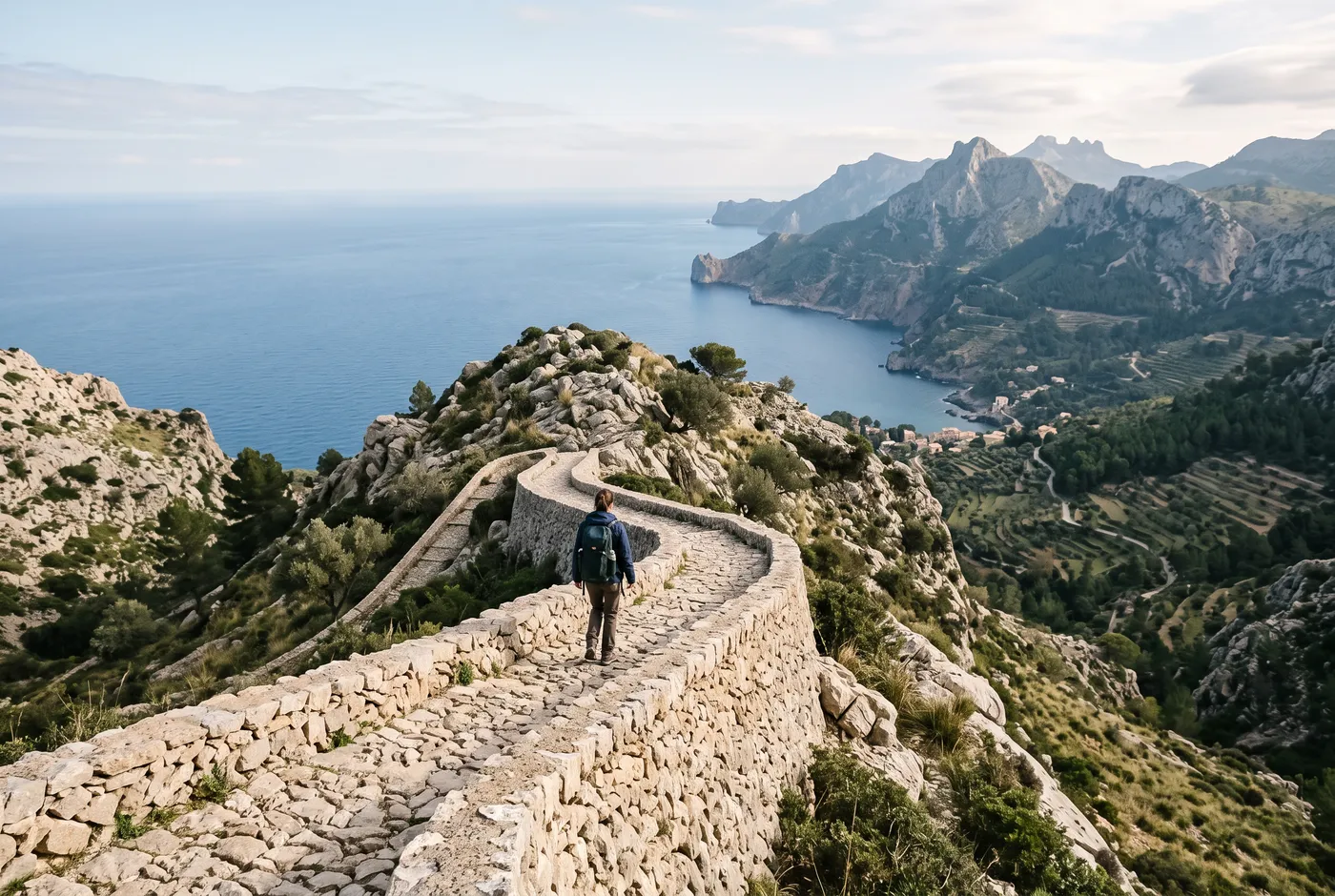
Hiking and active retreats
Long walks, yoga and deep sleep. How hiking retreats work, and how fit you really need to be.
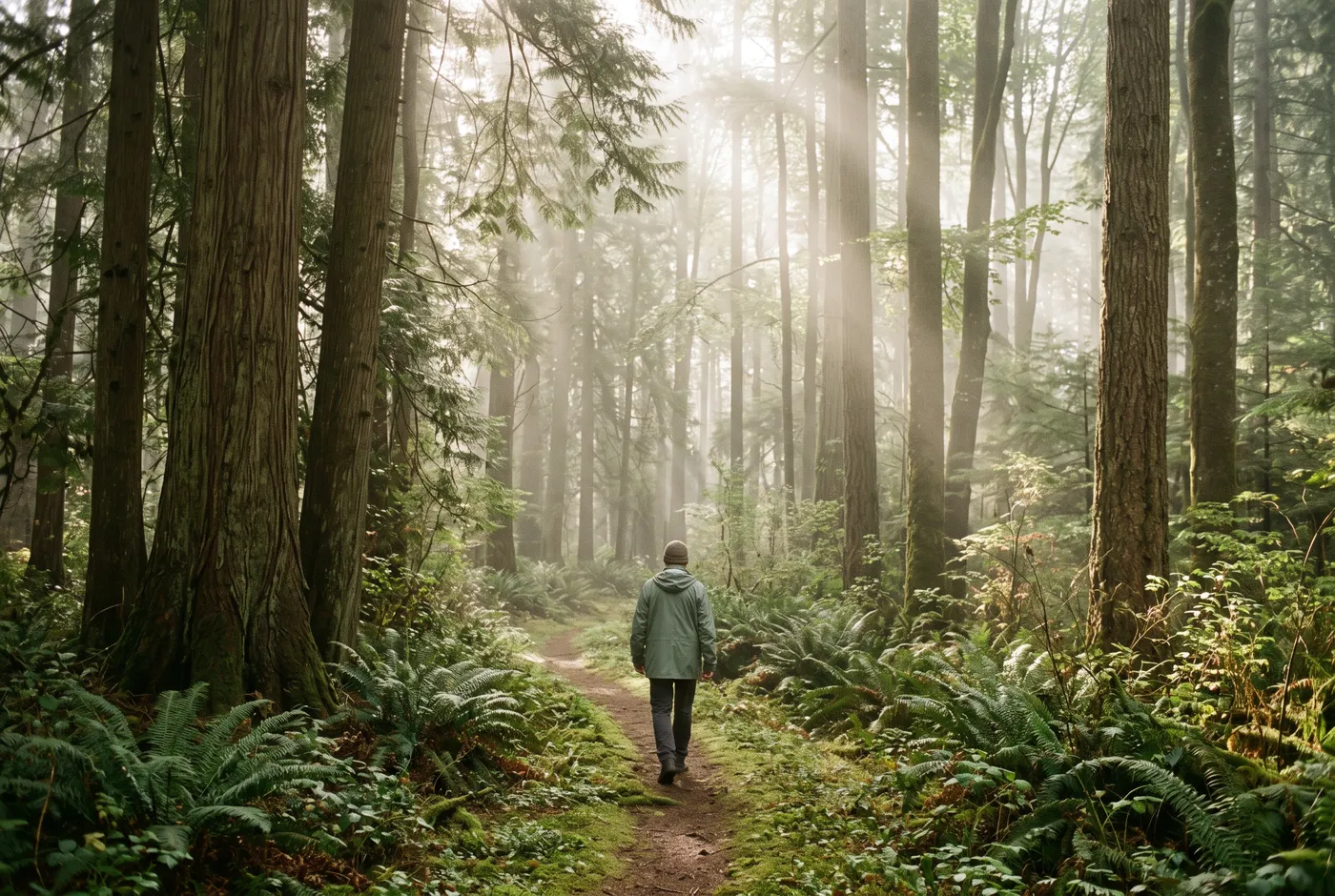
Forest and nature retreats
Forest bathing, wild swimming and dark skies. Slow days outdoors, and how to pick a good guide.
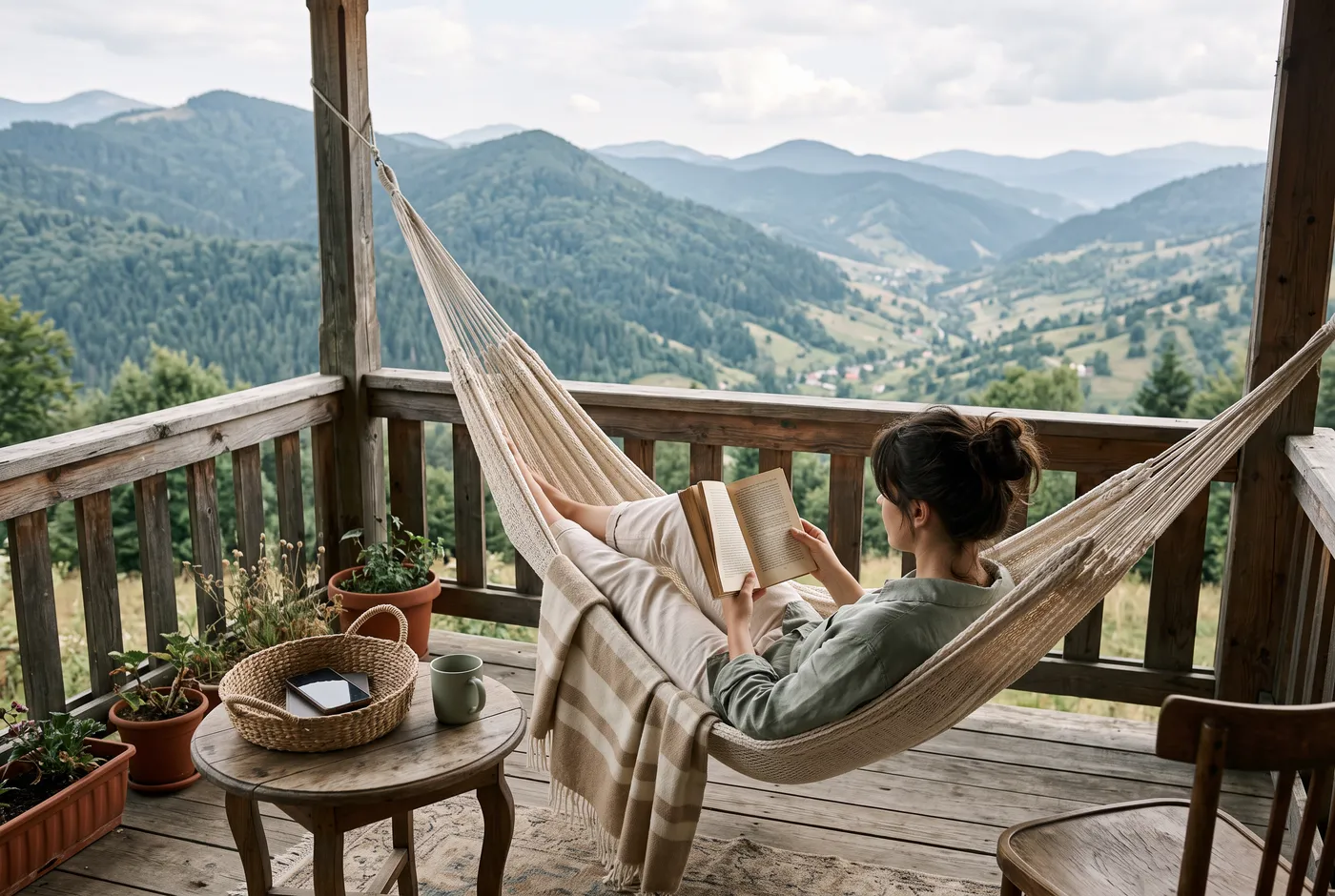
Digital detox retreats
Phones in a locker, days without screens. How digital detox retreats work and how to prepare for one.
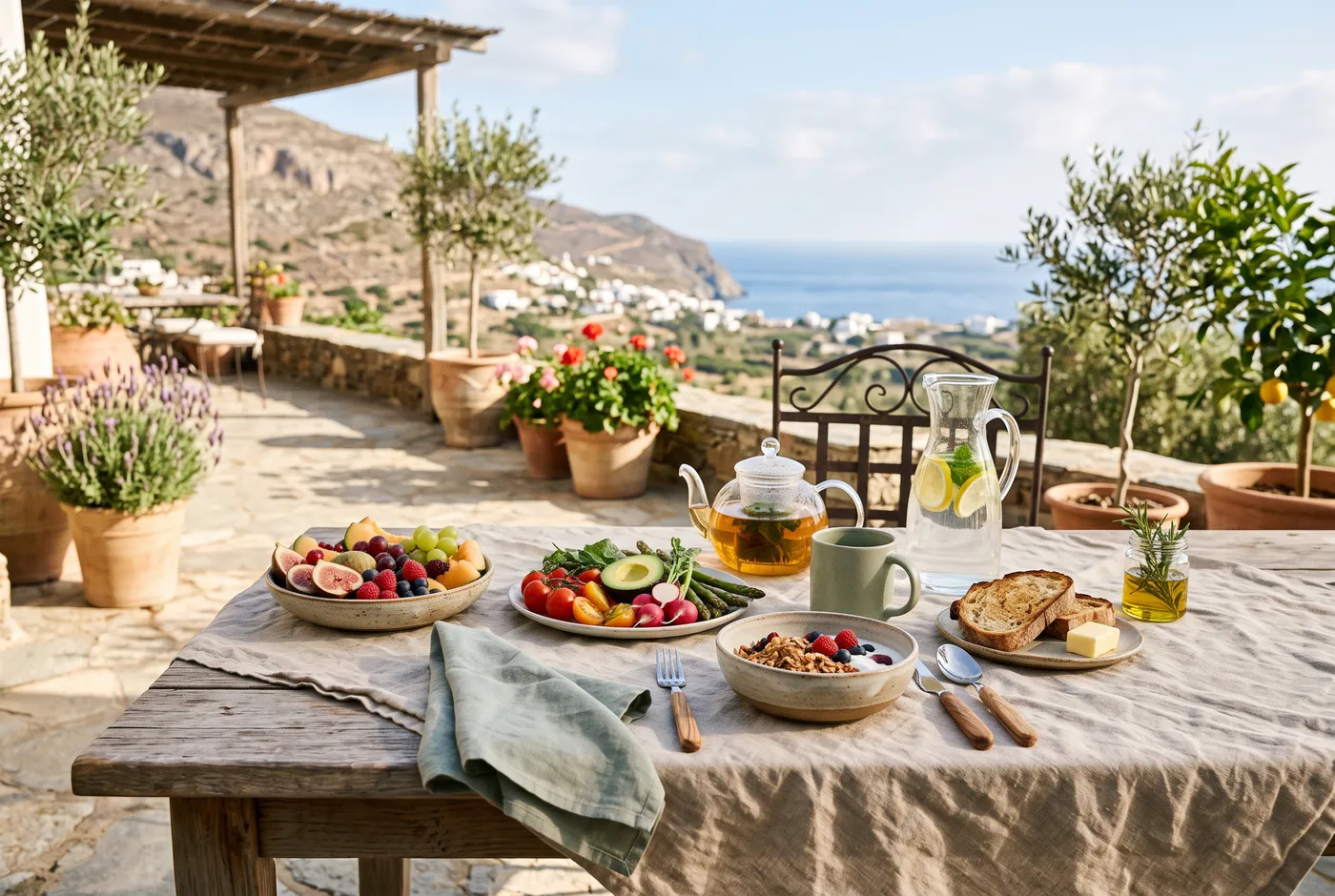
Detox and nutrition retreats
Simple food, no alcohol, more sleep and daily movement. What detox retreats really offer, and what they cannot.
From the journal
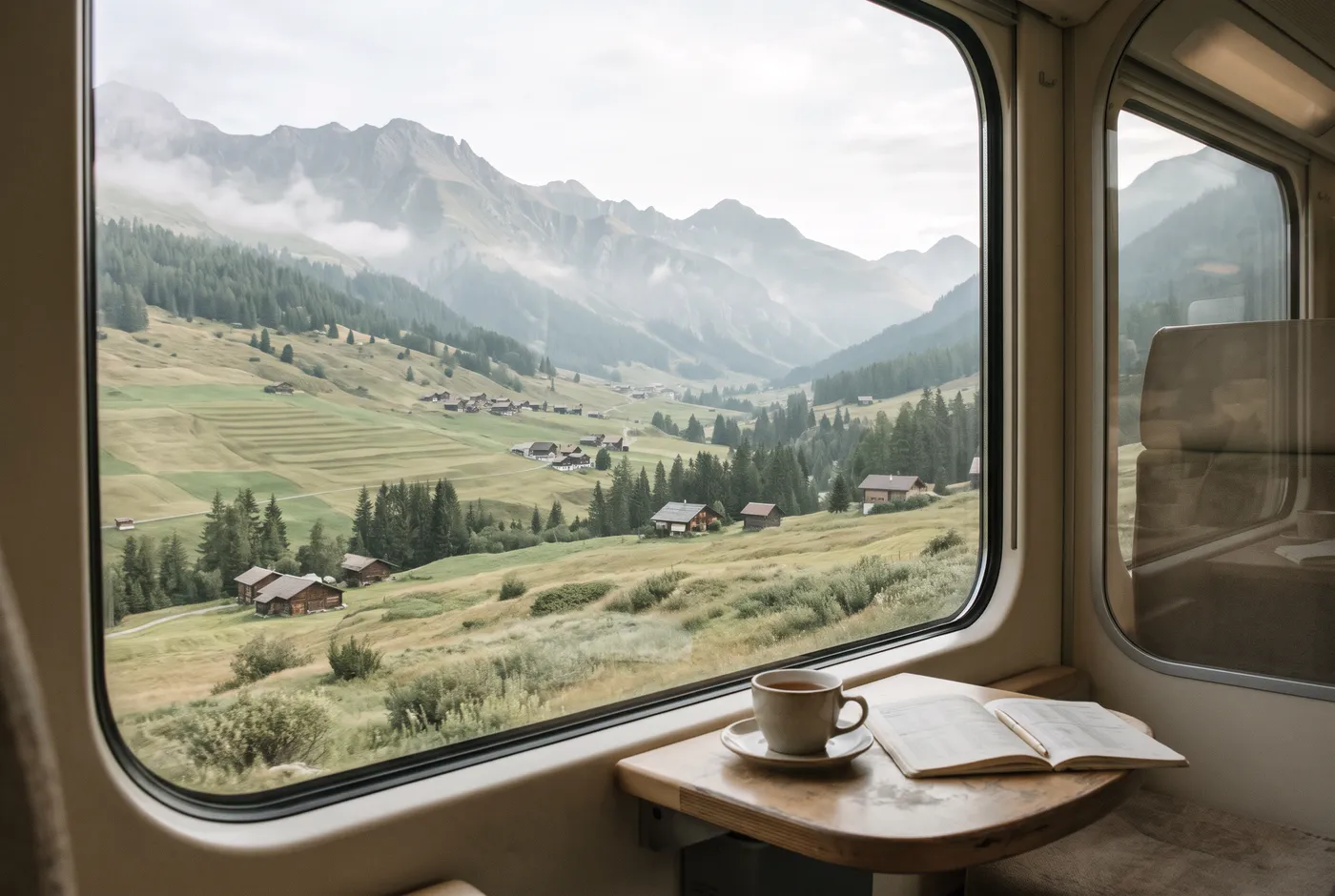
Slow travel, explained: what it is and how to plan it
Slow travel isn’t about speed. It’s about arriving fewer times. What it means and how to plan it.
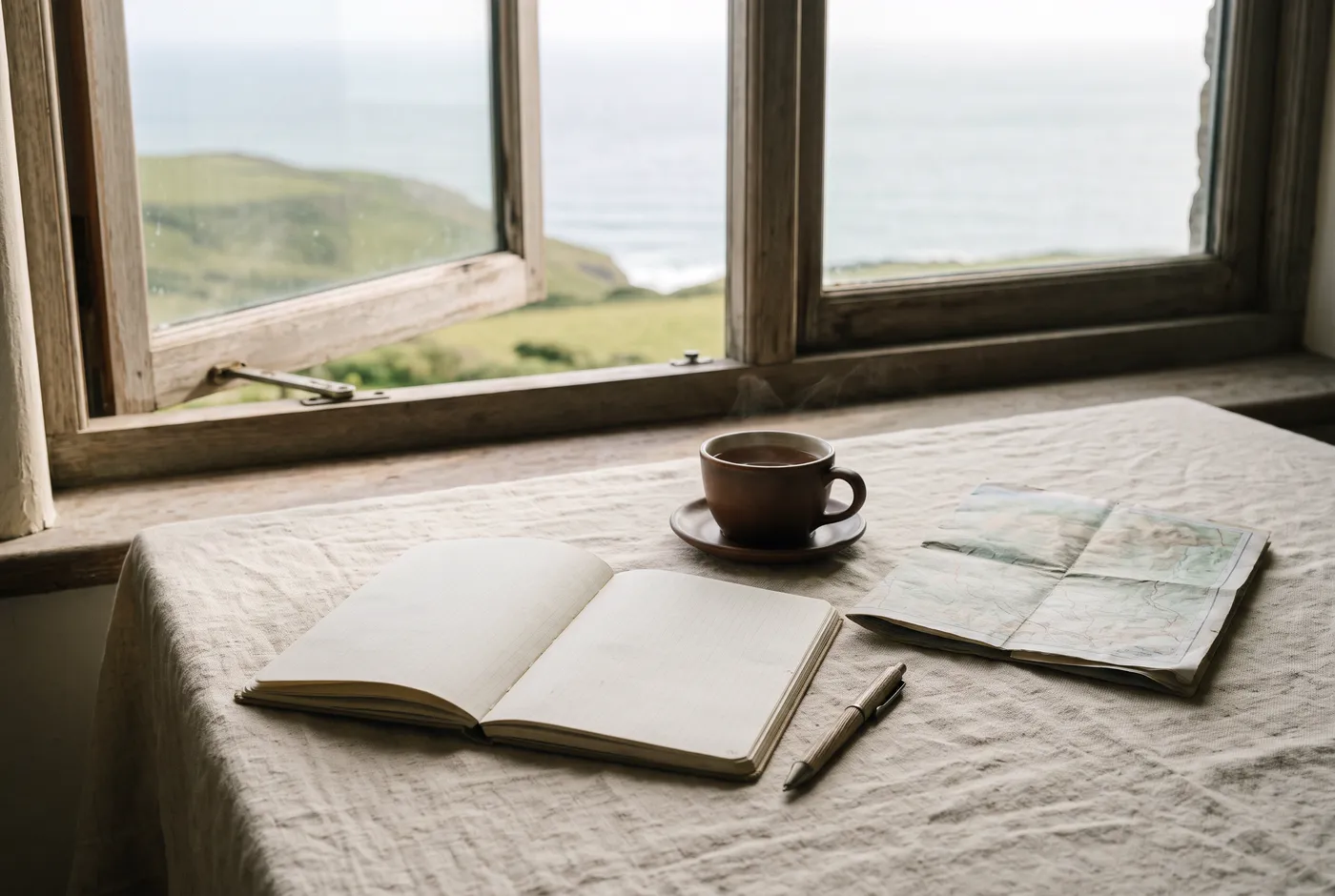
How to choose a wellness retreat that actually suits you
Start with what you need, then choose type, length, place and host. A calm, practical decision guide.
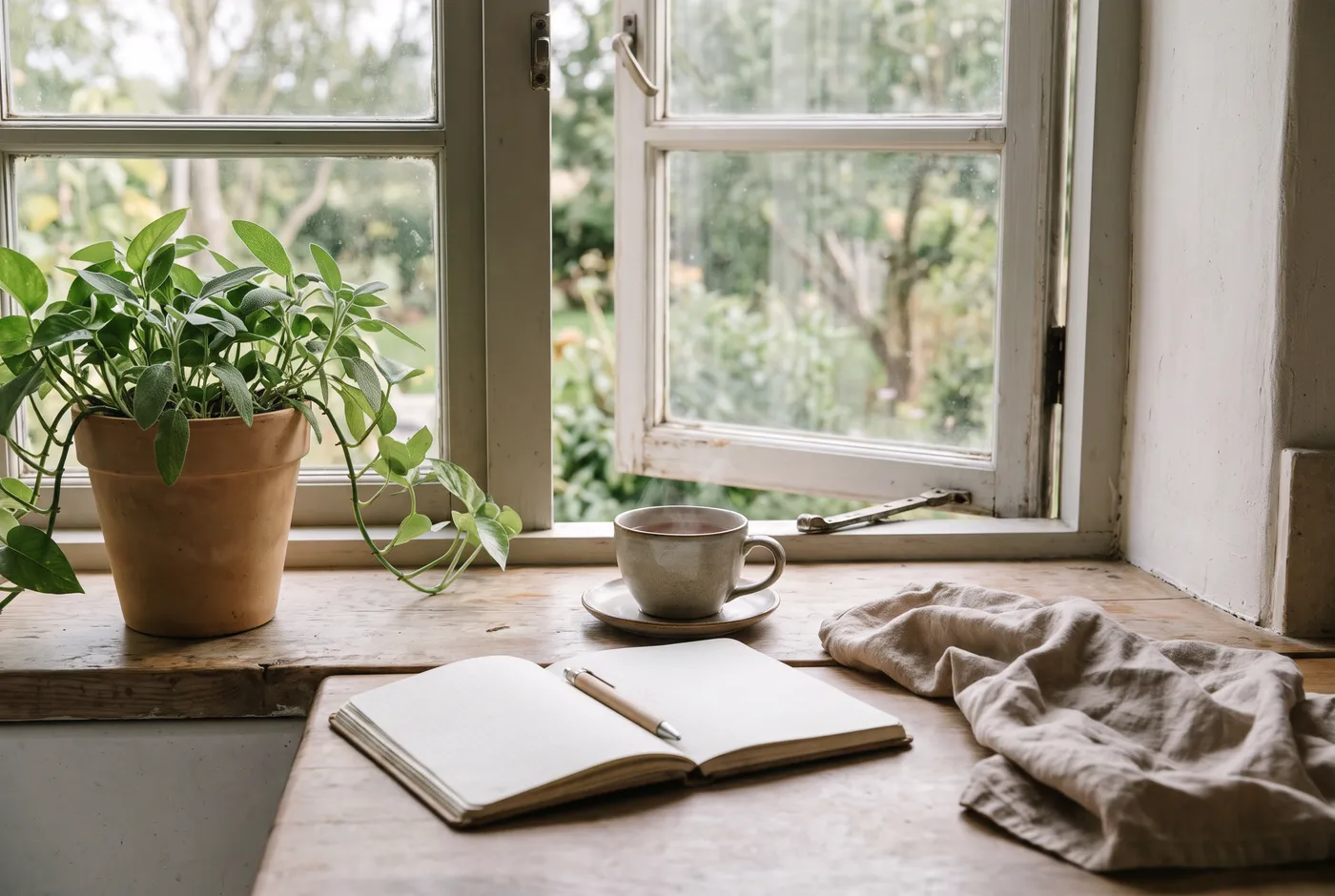
After the retreat: how to keep the calm when you get home
The calm came from conditions, not the place. How to rebuild a few of them once you are home.
Tell us how you want to feel.
Send us your wishes in a few clicks. We read every message and reply personally with retreat types, places and good questions to ask hosts.
Plan your retreat