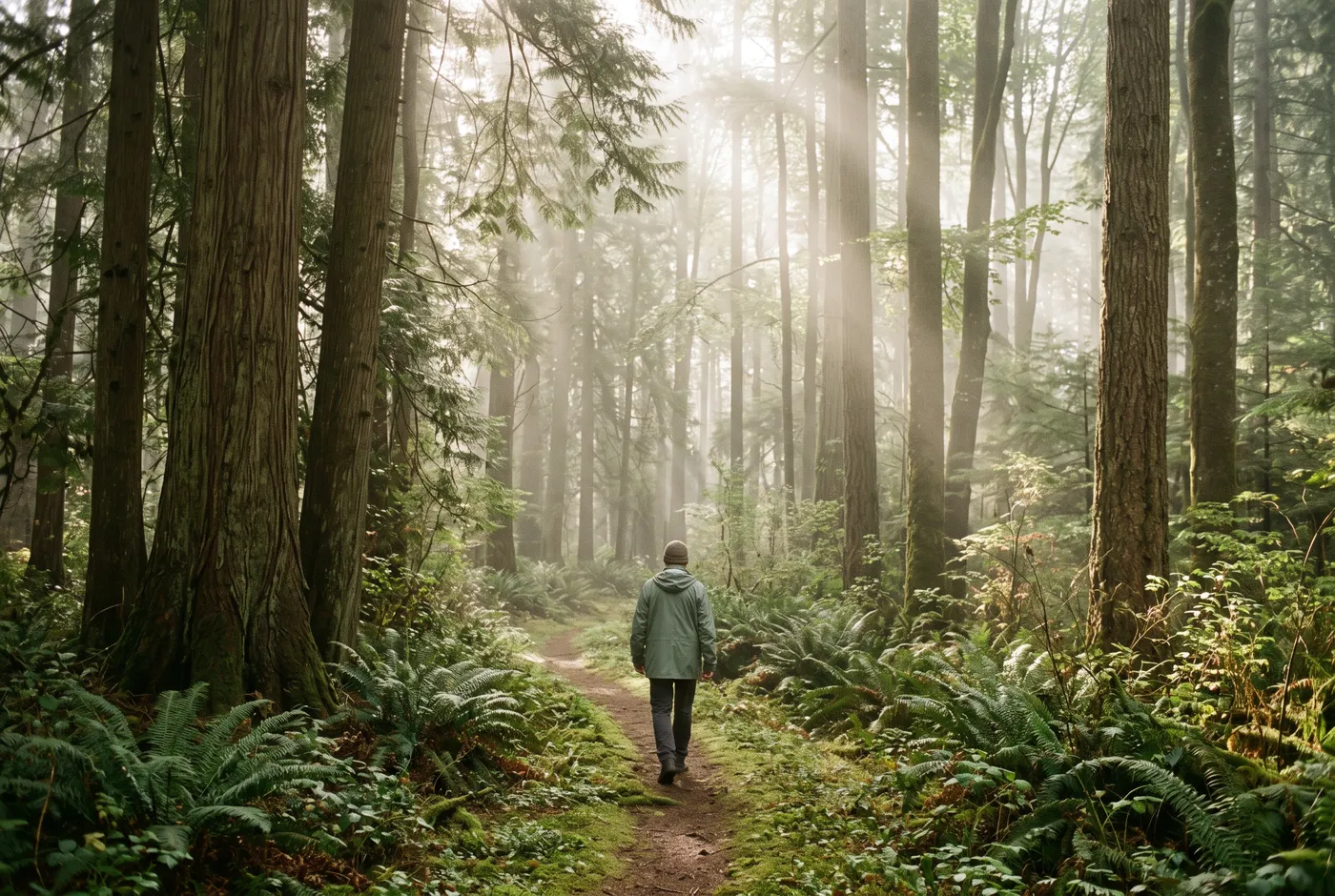
Forest and nature retreats
A nature retreat moves the day outdoors and slows it right down: unhurried walks through forest, a cold swim in a lake, a sky full of stars. No summit, no step count, just time outside.
Good for
- People who feel most at ease outdoors
- Anyone who finds sitting meditation hard but walking easy
- Easy walkers rather than keen hikers
- Solo travellers who like small groups
Maybe not for
- Anyone who wants spa comfort above all
- People looking for a physical challenge
A typical day
- Sunrise sit spot outside, with tea
- Breakfast
- Guided forest-bathing walk of two to three hours, very slow
- Lunch outdoors
- Free time, or a short guided wild swim
- Dinner around a fire
- Star gazing on a clear night
What a nature retreat is
A nature retreat is a stay built around unhurried time outdoors: forests, lakes, coasts and night skies. The emphasis is on attention rather than distance. You might cover two kilometres in a morning and still come back feeling that a great deal has happened. Accommodation ranges from lodges and farmhouses to well-equipped glamping, and groups are usually small.
It sits between other retreat types. It is gentler than a hiking retreat and less inward than a meditation retreat, and it suits people who find stillness easier when they are moving slowly through somewhere beautiful. Compare all retreat types if you are deciding between them.
Forest bathing, wild swimming and dark skies
Forest bathing, or shinrin-yoku, is a Japanese term from the 1980s and has nothing to do with water. A guide leads a small group very slowly along a short route, inviting you to notice things with each sense in turn: the sound of wind in different trees, the smell of soil after rain, the texture of bark, light through leaves. There are pauses to sit alone, and often a simple tea at the end. It feels unremarkable at first and surprisingly absorbing after an hour.
Wild swimming means swimming in lakes, rivers and the sea, often in cold water. Many nature retreats include a guided swim, usually short and close to shore. Cold water triggers a sharp gasp reflex and tires you quickly, so a good guide explains how to enter slowly, keeps swims brief and never lets anyone swim alone. Talk to your doctor first if you have a heart condition or high blood pressure.
Star gazing needs dark skies, a clear night and patience. Away from towns, your eyes take around twenty to thirty minutes to adjust fully to the dark, and then the Milky Way appears. Some retreats bring a telescope or an astronomy guide; a warm layer, a blanket and a red-light torch are otherwise enough.
Most retreats mix these over a week: a forest session most mornings, a swim or free time in the afternoon, and evenings outside when the weather allows. Some add foraging walks, nature journaling or simple woodcraft. Foraging should always be led by someone who knows the local plants well, and you should never eat anything that has not been identified with certainty.
Where and when to go
Japan is the natural reference for forest bathing, with old cedar and beech forests, temple paths and mountain villages; spring and autumn are especially lovely. Costa Rica offers cloud forest and rainforest, at its most comfortable in the dry season from roughly December to April. In the Alps, larch and spruce forests, clear lakes and dark high valleys make June to September ideal. In Portugal, the Alentejo around the Alqueva lake is known for its dark night skies, and spring and autumn there are mild. Our when-to-go planner shows which months suit each place.
How to choose a good one
- Group size of around six to twelve, so walks stay quiet.
- A guide who knows the area, its plants and its weather, with current first-aid training.
- Clear water-safety rules for any swimming: short swims, never alone, someone watching from the shore.
- Honest walking information: distances, terrain and how long you are on your feet each day.
- A bad-weather plan. Forests are worth walking in the rain, but not in a storm.
Forest-bathing guides usually hold a certificate from a private training programme. These vary widely in length and depth, and no single body regulates the field, so ask how long the guide has led groups and how well they know the place. For anything beyond easy paths, a local mountain or nature guide with formal qualifications is the better sign.
Practicalities and cost
Four to seven nights suits most people. Phone signal is often weak in good nature locations, which most guests come to like. Bring layers, a waterproof jacket and trousers, comfortable shoes with good grip, a swimsuit and a quick-dry towel, a warm hat for the evenings, a head torch with a red-light setting and insect repellent. In tick areas, check your skin each evening, and ask your doctor whether a vaccination against tick-borne encephalitis makes sense for forested parts of Central Europe.
As a rough guide in 2026, a guided nature retreat of a week in Europe typically costs roughly €700 to €2,000 per person including meals, depending on comfort. Long-haul destinations add flights but can be good value on the ground. If you would like help finding a small, well-run one, tell us what you have in mind.
Nothing needs to happen on a forest walk. That is exactly what makes it hard, and good.
Questions people ask
What is forest bathing?
Forest bathing, or shinrin-yoku, is a slow, guided walk in a forest where the aim is to notice things with all your senses rather than to cover distance. Groups are small, the pace is very slow and there are pauses to sit quietly. The idea comes from Japan and needs no fitness beyond walking a few kilometres.
Do I need to be fit for a nature retreat?
Not especially. Most nature retreats involve slow walks of a few kilometres on paths, with plenty of pauses. If you can walk for two to three hours at an easy pace, you will be comfortable. Check the programme for any longer hikes.
Is wild swimming safe?
It carries real risks, which good guides manage. Cold water causes a sharp gasp reflex and tires you quickly, so enter slowly, stay close to shore, keep swims short and never swim alone. Talk to your doctor first if you have a heart condition or high blood pressure.
What is the best season for a nature retreat?
It depends on the place. The Alps are best from June to September, Japan’s forests are lovely in spring and autumn, and Costa Rica’s dry season runs from roughly December to April. Our when-to-go planner shows suitable months for each destination.
How much does a nature retreat cost?
As a rough guide in 2026, a guided week in Europe typically costs roughly €700 to €2,000 per person including meals. Simple lodges cost less, comfortable glamping or eco-lodges more. Flights to long-haul destinations add considerably.
Places that suit nature retreats
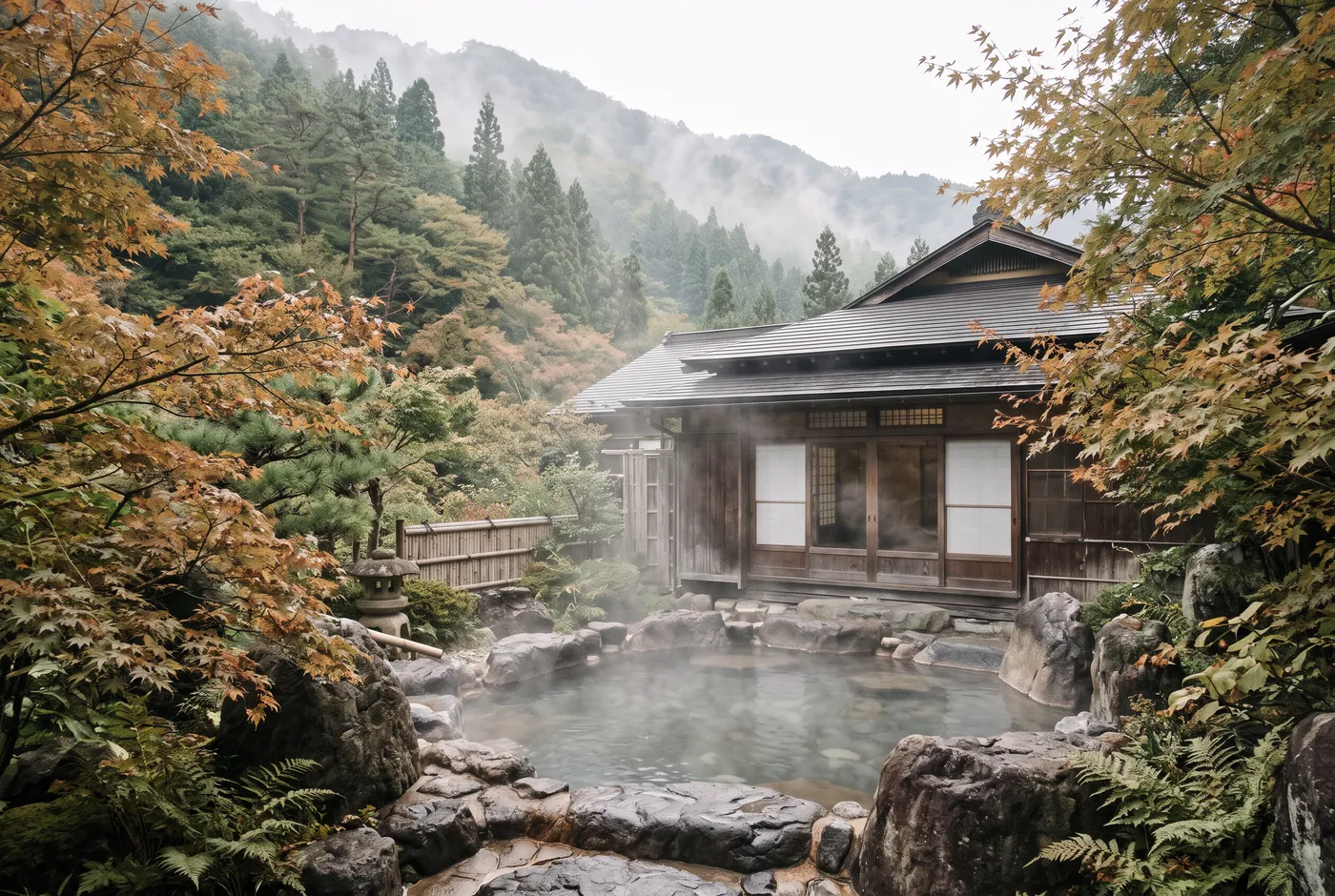

Japan
Temple lodgings, hot-spring baths and forest trails: Japan’s quiet side, best in spring and autumn.
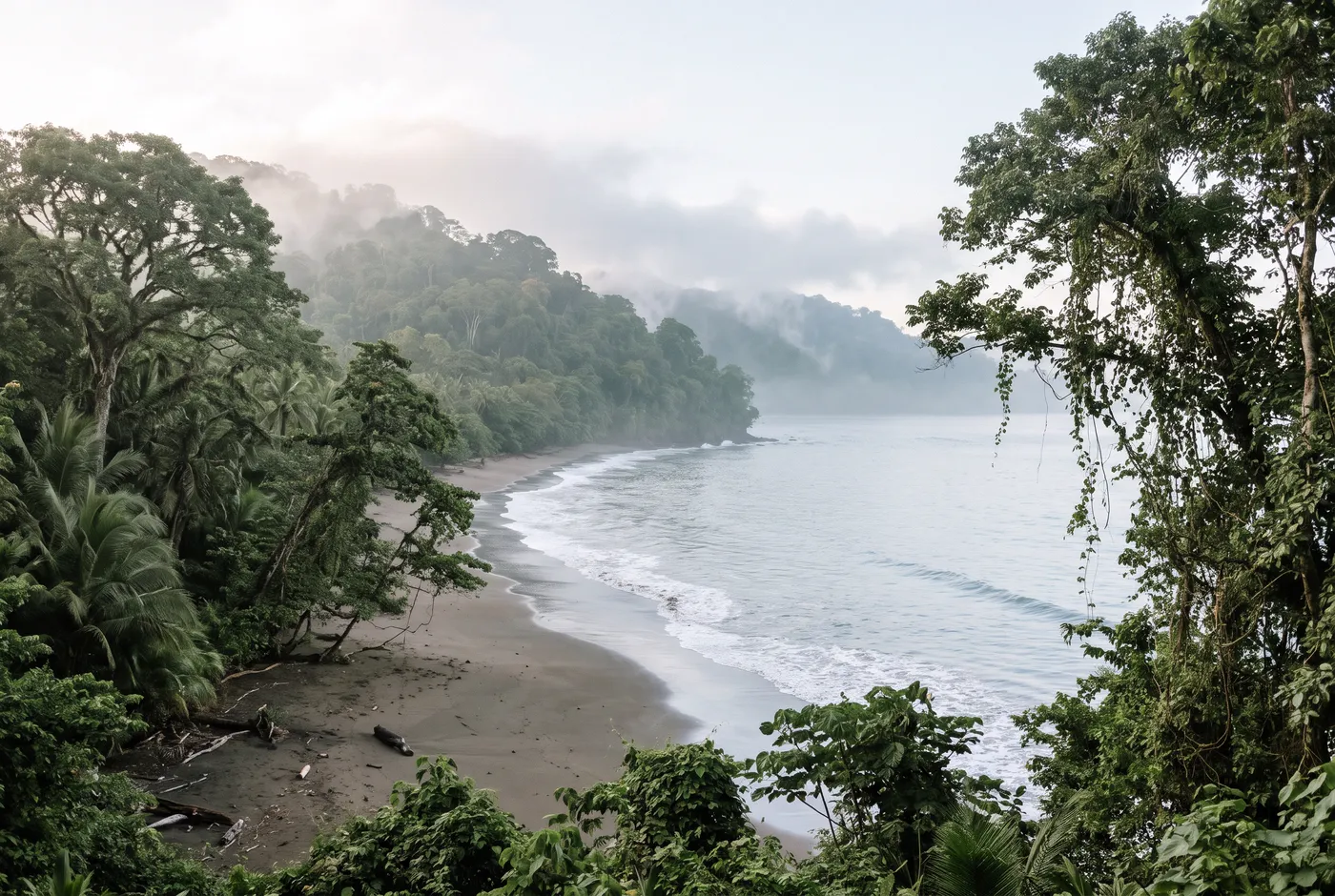
Costa Rica
Howler monkeys at dawn, yoga above the Pacific and rainforest walks. A long trip, so stay longer.
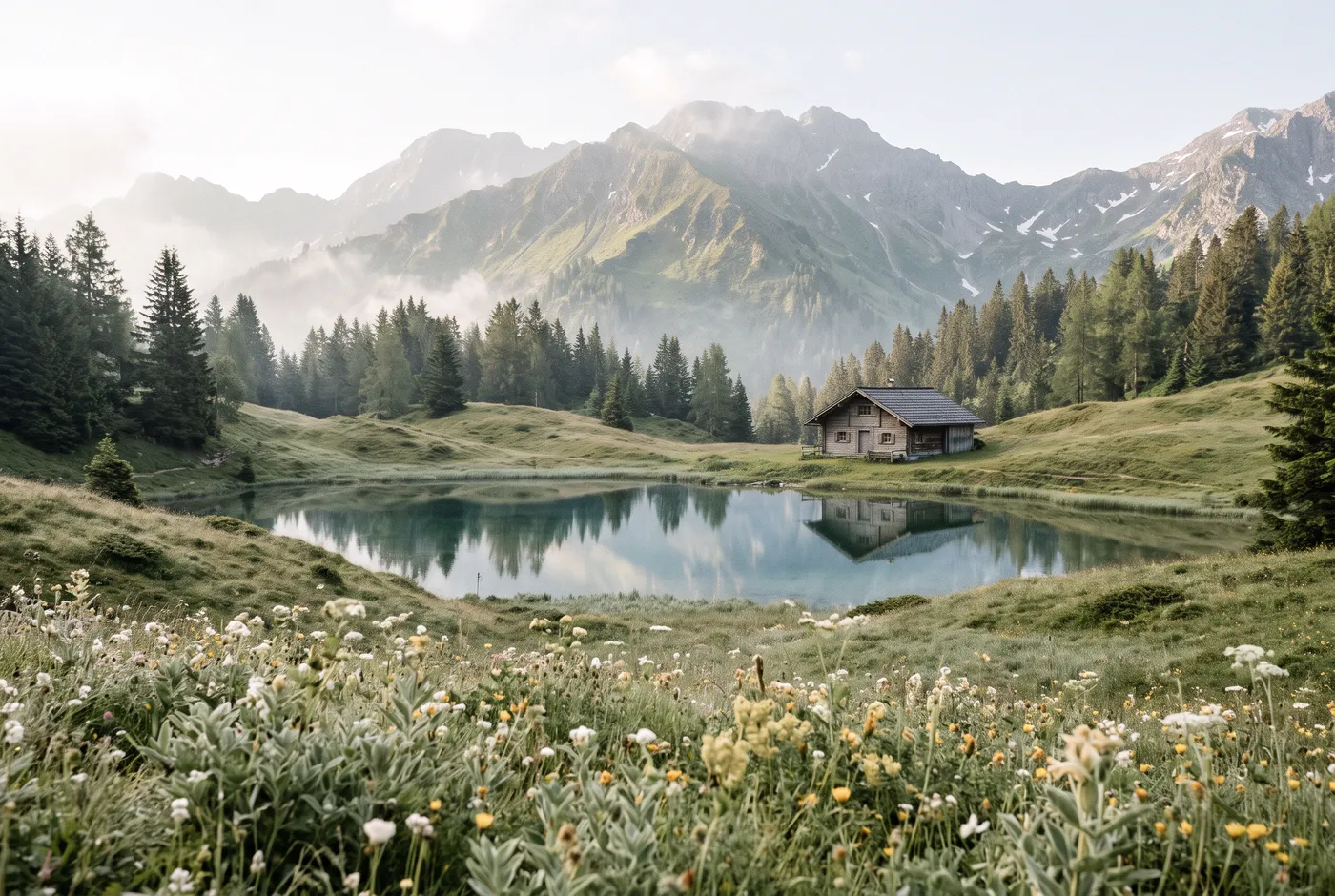
The Alps
Sauna culture, meadow walks and snowy silence, often just a train ride from home.
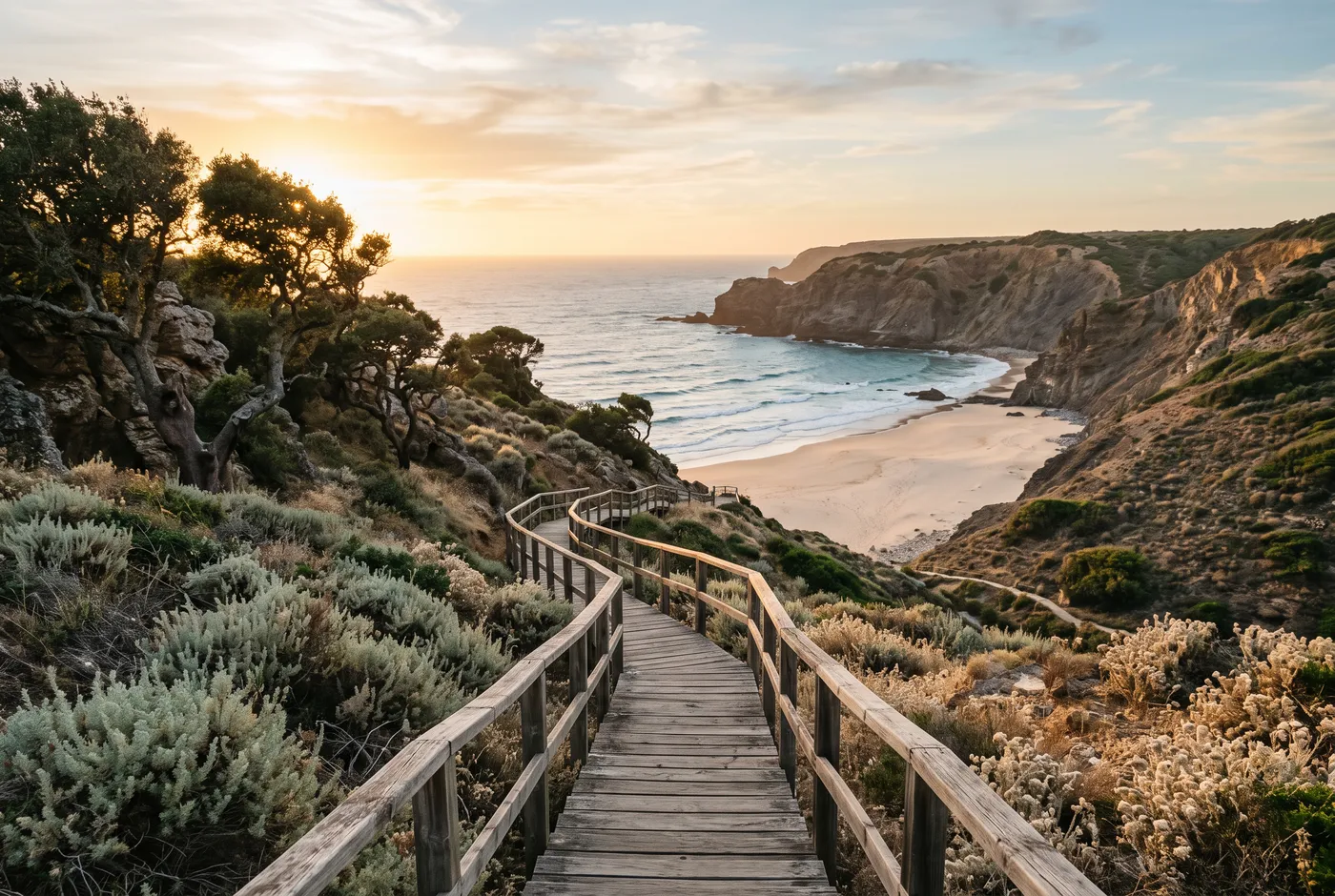
Portugal
Atlantic cliffs, cork-oak plains and surf-and-yoga mornings at an unhurried pace.
From the journal
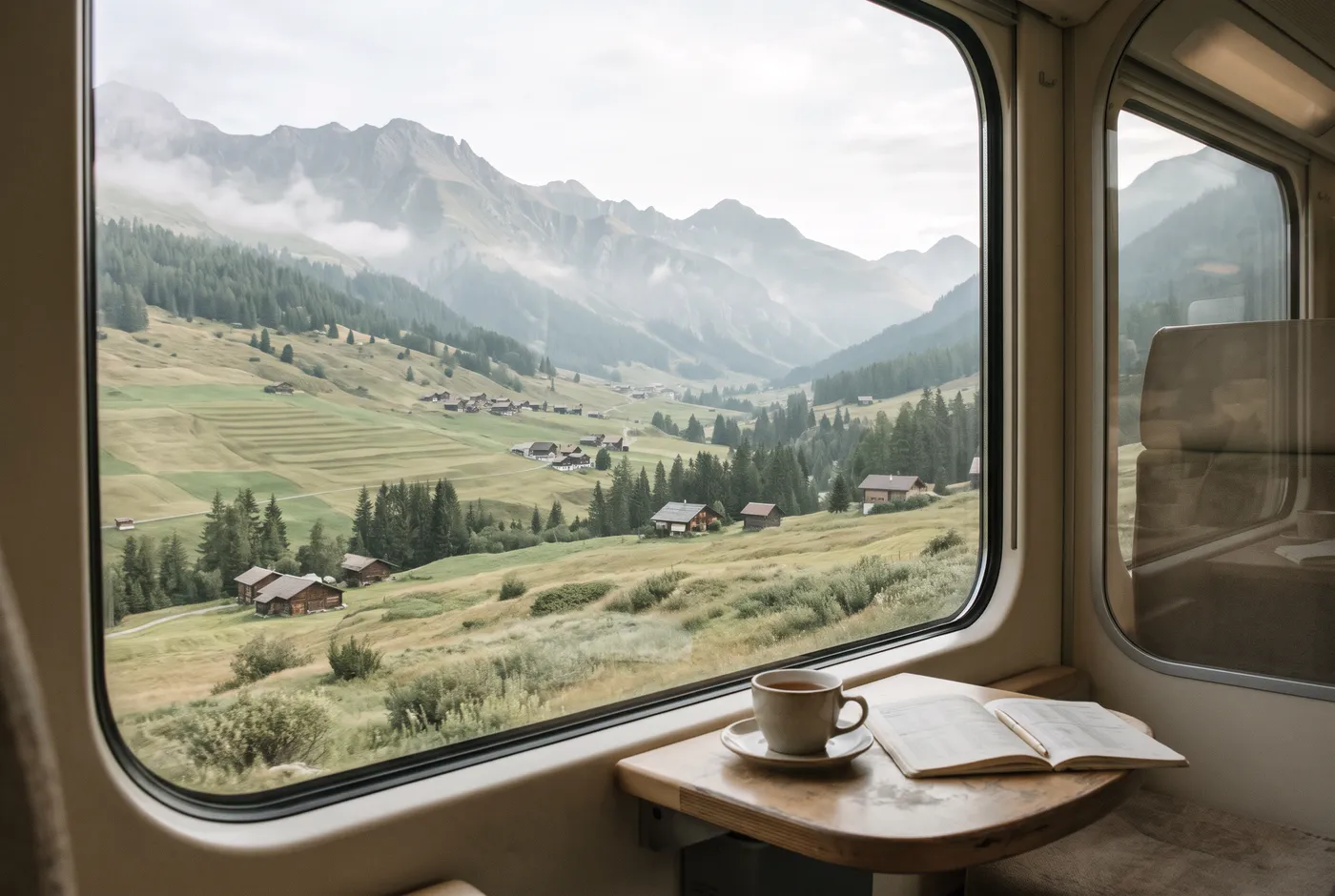
Slow travel, explained: what it is and how to plan it
Slow travel isn’t about speed. It’s about arriving fewer times. What it means and how to plan it.
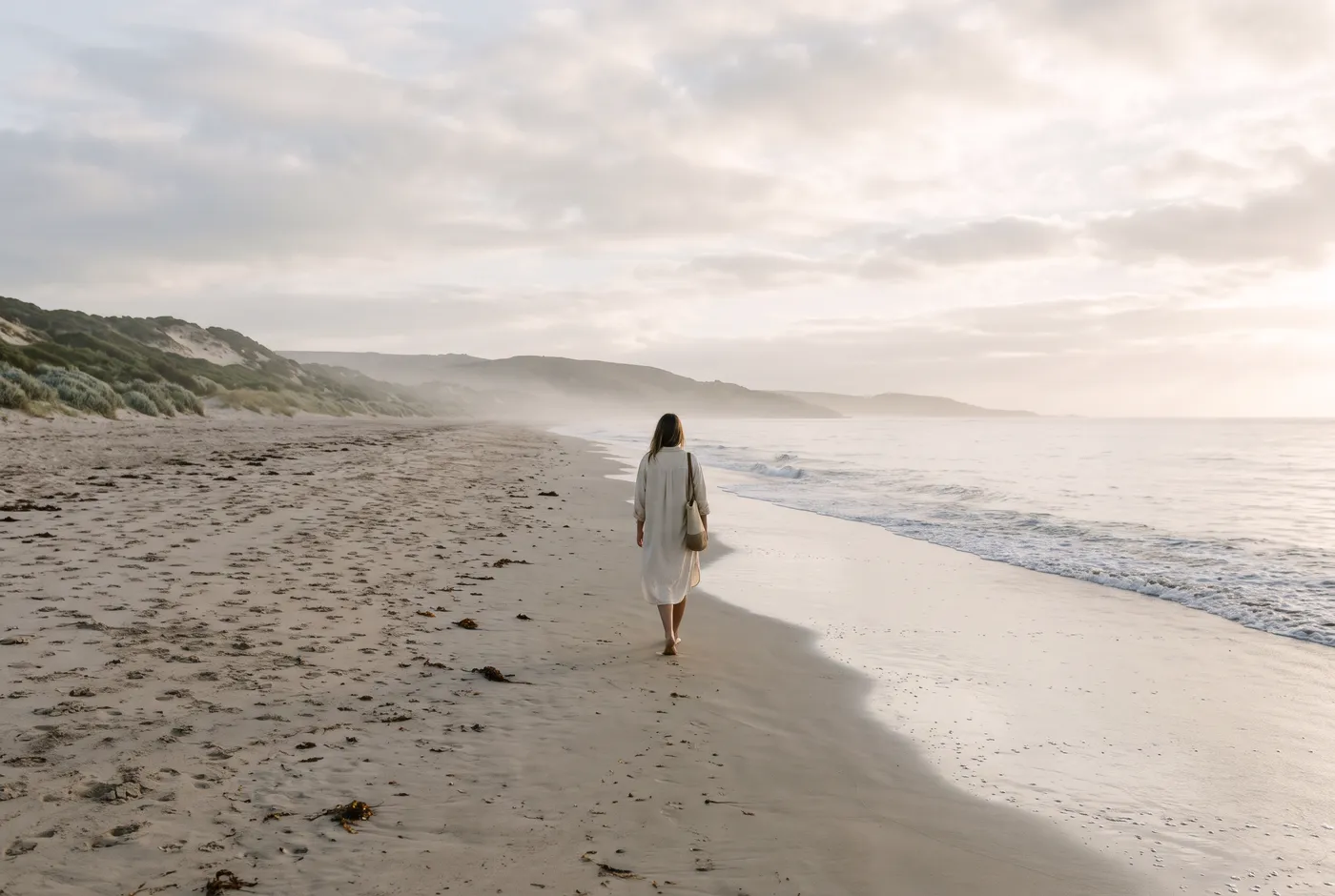
Going on a retreat alone: what to know before you book
Why a retreat is one of the easiest ways to travel alone, and how to choose the format, room and place.
Something else in mind?
Tell us how you want to feel.
Send us your wishes in a few clicks. We read every message and reply personally with retreat types, places and good questions to ask hosts.
Plan your retreat