Going on a retreat alone: what to know before you book
A retreat is one of the easiest ways to travel alone, easier than a city break or a beach holiday. The day has a shape, meals are shared, everyone arrives as a stranger and nobody needs a reason for being there on their own. The rest comes down to choosing the right format and taking a few sensible precautions.
Why a retreat is easier alone than most holidays
The hard parts of solo travel are rarely the big ones. They are the small, repeated moments: deciding what to do with an empty afternoon, walking into a restaurant and asking for a table for one, having nobody to turn to when something is beautiful or goes wrong. A good retreat removes most of them by design.
- The day is planned for you. Sessions, meals and free time follow a timetable, so there is no blank afternoon to fill.
- Everyone starts as a stranger. The group forms from scratch, so you are not the outsider joining couples or friends who already know each other.
- Arriving alone is normal. At many retreats, plenty of guests come on their own, and hosts are used to it.
- Company is optional. You can talk at dinner and still spend the afternoon by yourself without anyone taking it personally.
There is a quieter benefit too. Without a travel partner, you do not negotiate the day, and you do not keep glancing at someone else to check whether they are having a good time. For many people it is the first holiday in years that is entirely their own.
Choosing a solo-friendly format
Some retreats are much easier alone than others, and the format matters more than the destination. Look for these features:
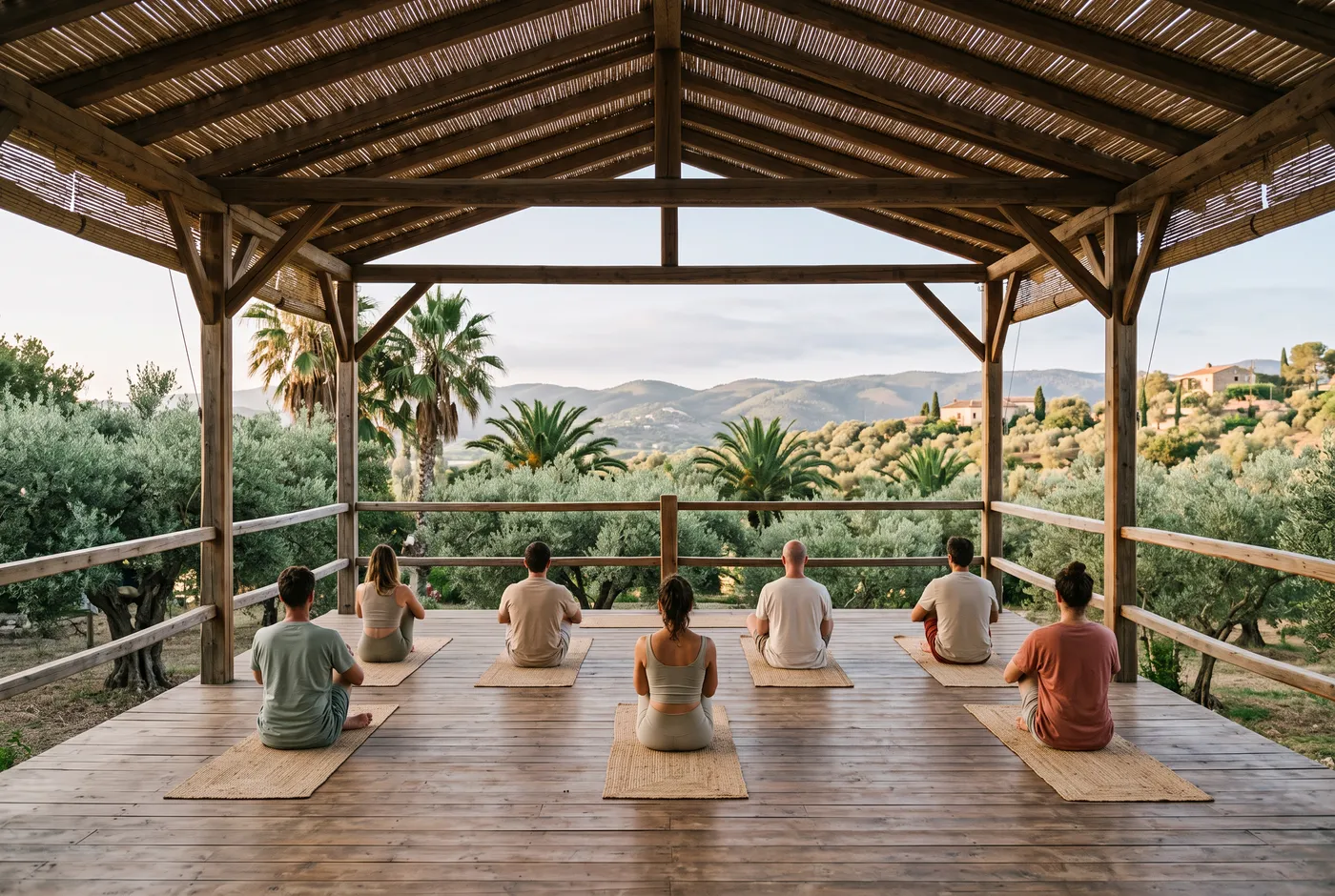
- Small groups with fixed dates. With roughly 8 to 20 people arriving on the same day, there is usually an opening circle and introductions happen without effort.
- Shared meals. A long table makes conversation natural. Separate tables, as in a hotel restaurant, make it harder.
- A clear but not packed programme. Two or three sessions a day with free time in between gives you structure and room to be alone.
- A host who is present. Someone who introduces people, eats with the group and notices if you are left out.
Formats with open dates, such as hotel spa stays where you book treatments individually, can be lovely, but many of the other guests will be couples and you will need to build your own rhythm. Silent retreats sit at the other end of the scale and are surprisingly good for a first solo trip, because nobody expects you to talk. Our guide to what happens at a silent retreat explains how they work.
If you are not sure which type of retreat suits you, the retreat matcher asks five questions and suggests a retreat type and destinations. Then read each host’s description with one question in mind: will I spend most of the day with the group, or mostly on my own? Neither is wrong, but you should know which one you are booking.
Rooms and single supplements
This is where travelling alone usually costs more. Many retreats quote prices per person in a shared room, which assumes two people. As a solo guest you typically have three options.
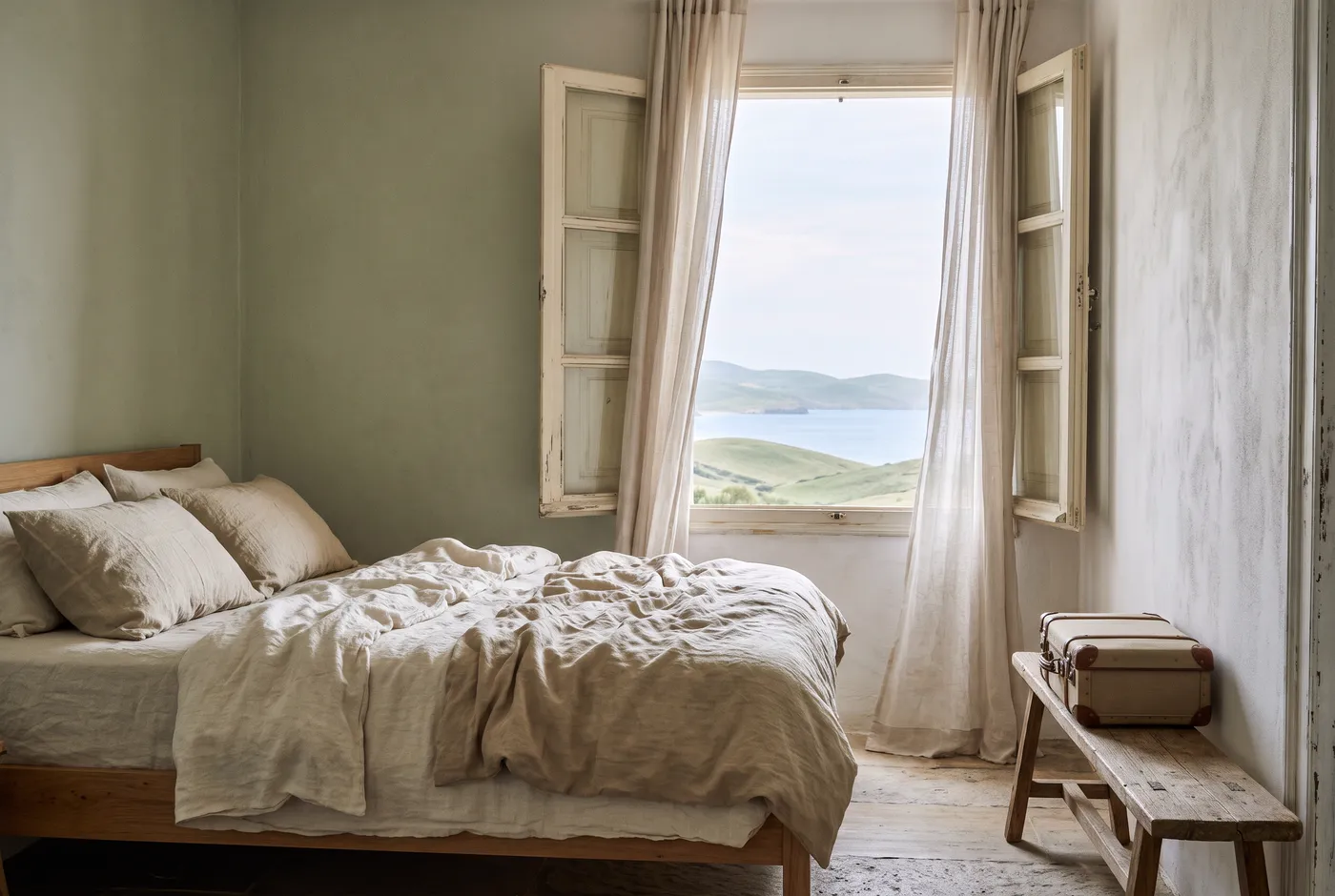
- Share with another guest. Many hosts pair solo guests in a twin room, usually of the same gender. It is the cheapest option and often works well, but ask whether the bathroom is shared too, and whether you can switch rooms if it does not work.
- Pay a single supplement for a private room. As a rough guide in 2026, this often adds somewhere around €20 to €80 a night at European retreats, more at high-end venues. Some hosts charge no supplement at all, especially in quieter months.
- Choose a retreat with single rooms as standard. Some meditation centres, monastery guesthouses and small hosts are built around single rooms, so there is nothing extra to pay.
It is worth asking directly. Supplements are sometimes negotiable outside peak season, and a host who answers clearly and quickly about rooms is usually just as clear about everything else.
Safety, especially for women
Retreats are generally calm, sociable places, but you are still travelling alone to somewhere unfamiliar, often run by people you have never met. Women travelling solo in particular are right to ask practical questions before they go, and a good host will welcome them.
- Check who runs it. Look for named facilitators with a visible background, a real address and a way to speak to a person before you pay.
- Ask about your room. Does the door lock? Who else has a key? If it is shared, who with?
- Know how remote it is. Find out how far the nearest town is, whether there is phone signal, and how you would leave at short notice.
- Touch is always optional. Hands-on yoga adjustments, bodywork and private sessions should be explained in advance and never assumed. You can say no at any point, without giving a reason.
- Arrive in daylight where you can, and book transfers through the host or a licensed taxi.
- Share your plans. Leave the address, dates and host’s contact details with someone at home, and agree a time to check in on the first day.
- Keep an exit budget. Enough money or credit for a taxi and a night in a hotel means you never have to stay somewhere that feels wrong.
If something feels off, it is fine to leave, even if you have paid. Our guide to retreat red flags lists the warning signs to watch for, both before you book and once you are there.
Arriving and eating alone
The first evening
The first few hours are the only genuinely awkward part, and they pass quickly. Aim to arrive early on the start day, or the evening before if the trip is long, so you are not rushing in tired just as the opening session begins. Unpack, walk around the grounds, and go to the first gathering even if part of you would rather stay in your room.
You do not need to be sociable on demand. One simple question carries most first-evening conversations: “What brought you here?” Most people are glad to be asked, and just as glad to ask you.
Meals
At most retreats, meals are shared, often at long tables, so eating alone is rarely an issue. Sit next to someone new each time if you want to meet people, or by the window with a cup of tea if you do not. At retreats with silent meals nobody talks anyway, which takes the pressure off completely.
The harder meals are on travel days and free evenings. Bring a book, choose places with a counter or shared tables, and eat a little earlier than the dinner rush, when restaurants are calmer and nobody is waiting for your table.
Deciding how much company you want
Before you go, decide roughly how social you want to be. It helps to think in three settings:
- Social: you want conversation, shared walks and perhaps new friends. Choose a small group, shared meals and a programme with group activities.
- Mixed: company at meals and sessions, time alone in between. This suits most people and most retreats.
- Quiet: you mainly want to be left alone. Choose a silent retreat, a format built around private sessions, or a stay where the programme is optional.
Tell the host which one you are, and give yourself permission to change your mind once you are there. Skipping a group dinner to sit by the water is not rude. It may be exactly what you came for.
Travelling alone doesn’t mean being alone all day. It means every hour is yours to give away or keep.
Solo-friendly destinations
The best places for a first solo retreat are easy to reach, easy to get around without a car and comfortable for people on their own.
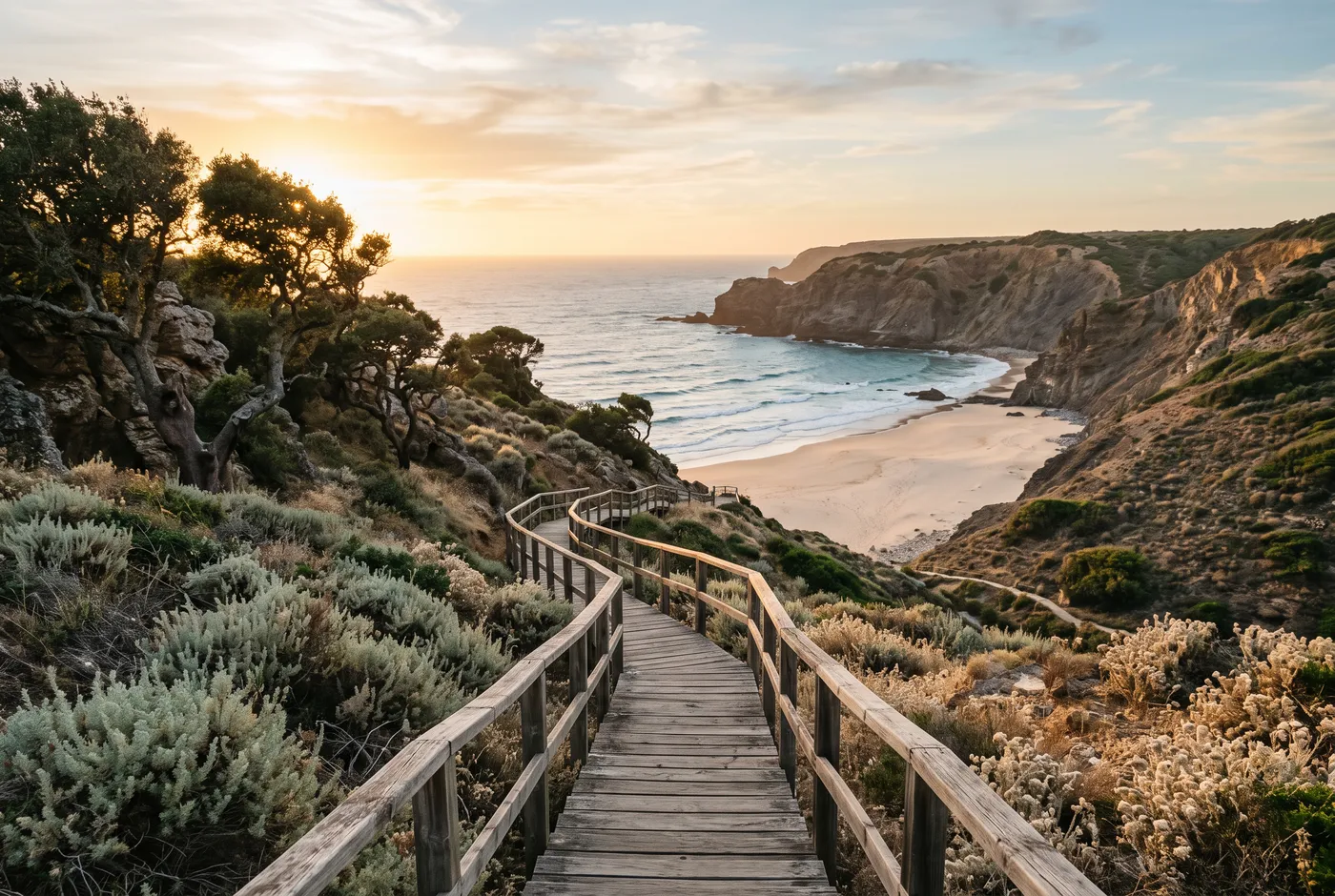
- Portugal: relaxed and welcoming, with small retreats along the coast and inland, and trains and buses linking the main towns.
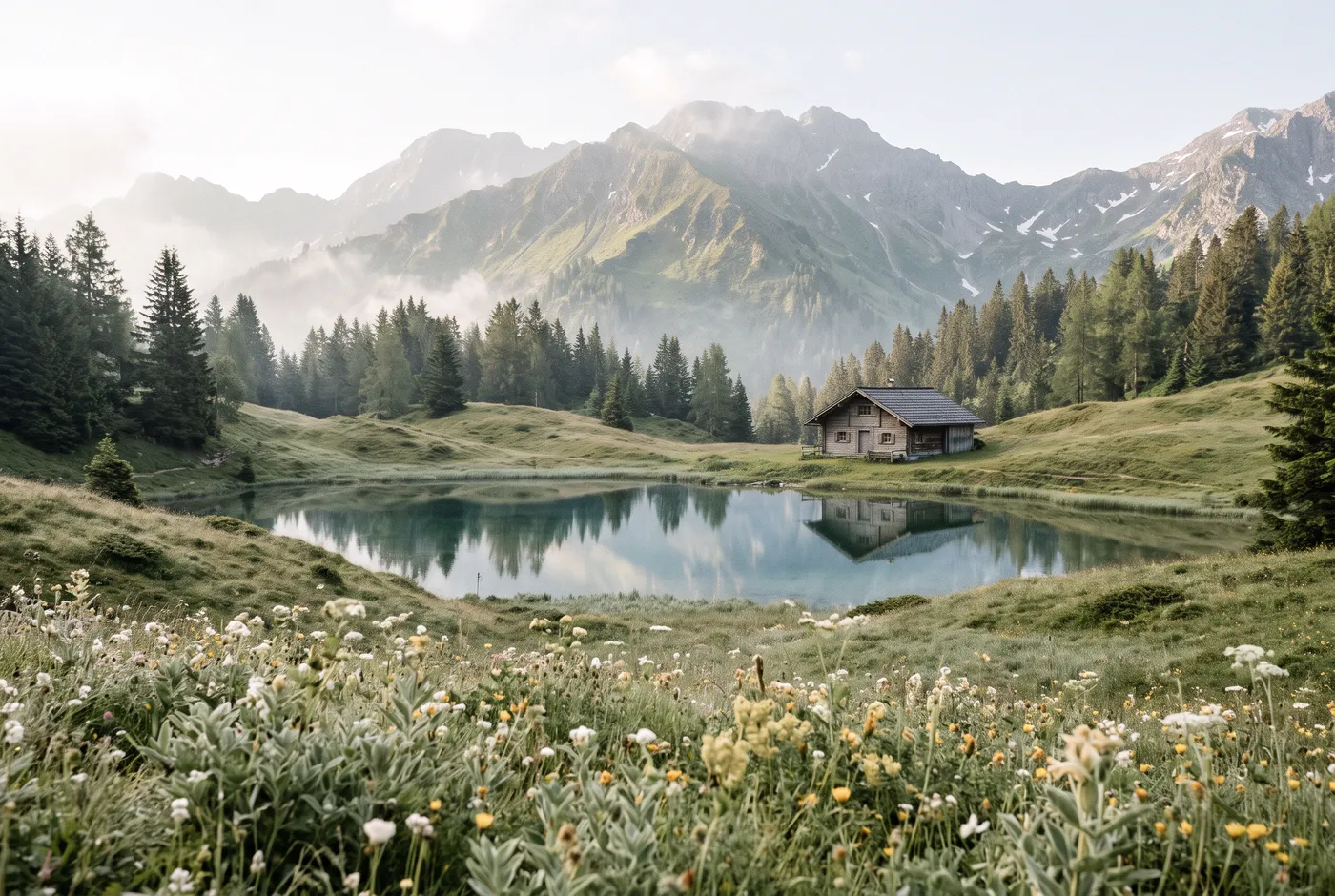
- The Alps: reachable by train from much of central Europe, with good public transport in Austria, Switzerland and South Tyrol, so you do not depend on a car.
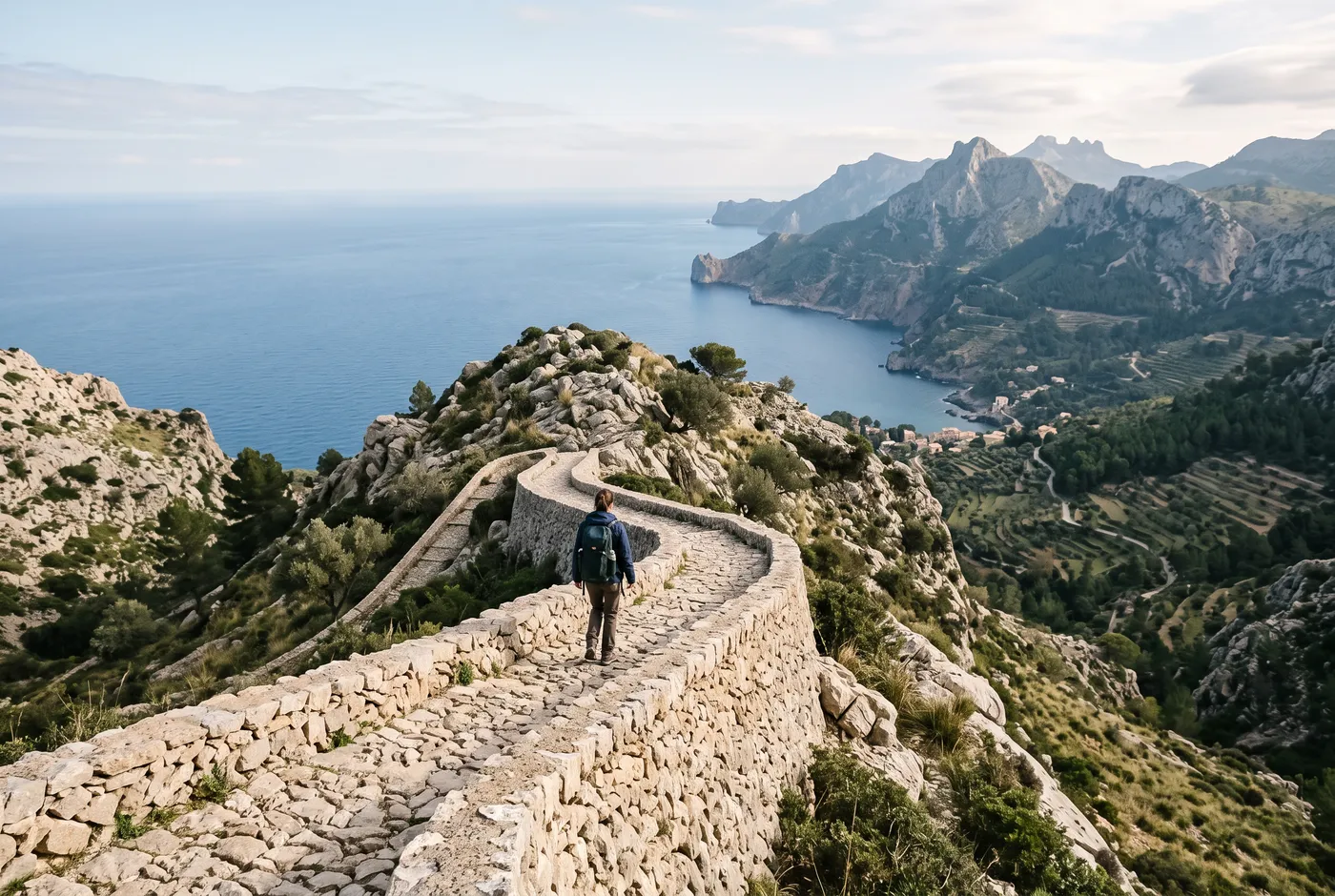
- Mallorca: a short flight from much of Europe, with a calmer retreat season outside the summer months and buses connecting Palma with many towns.
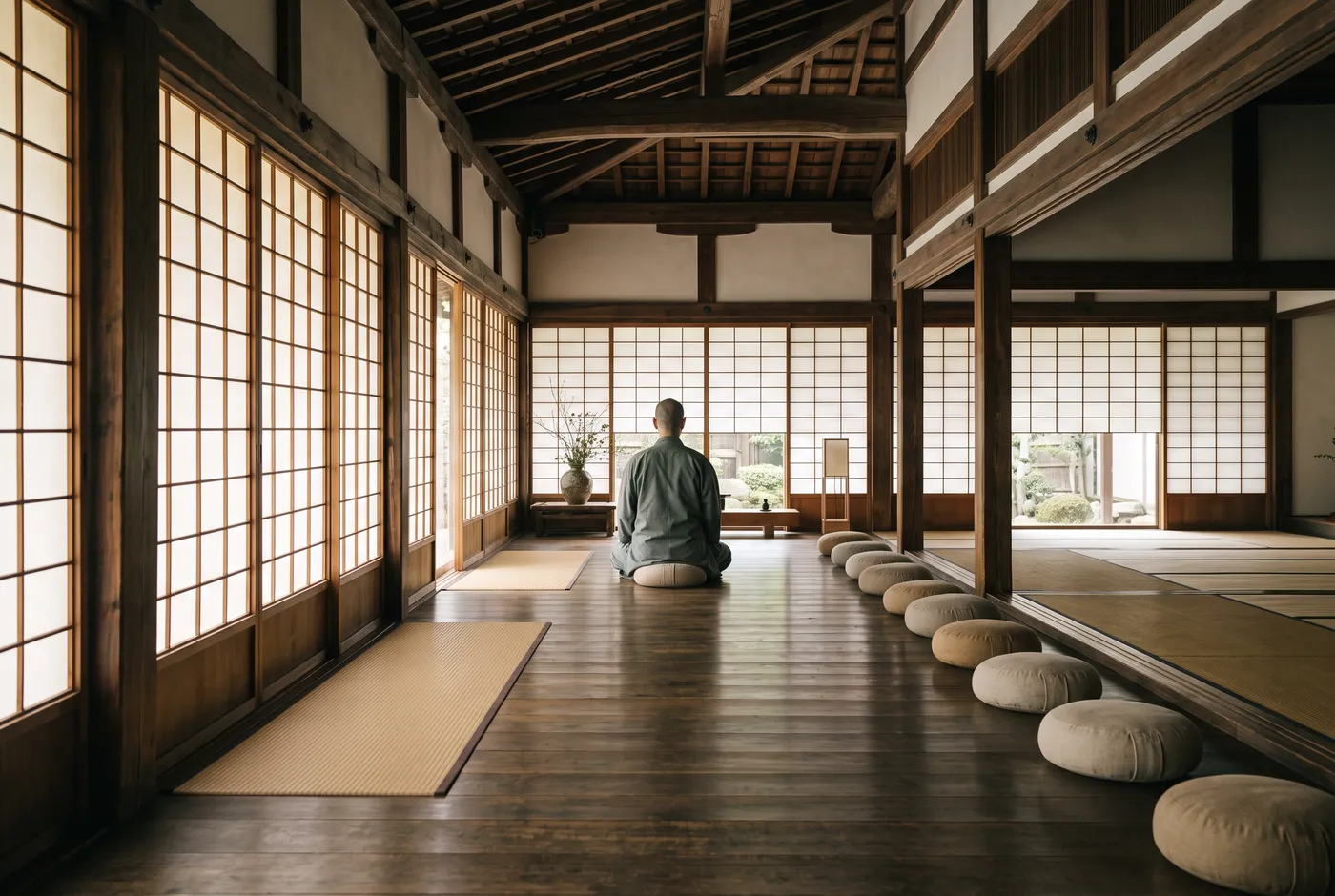
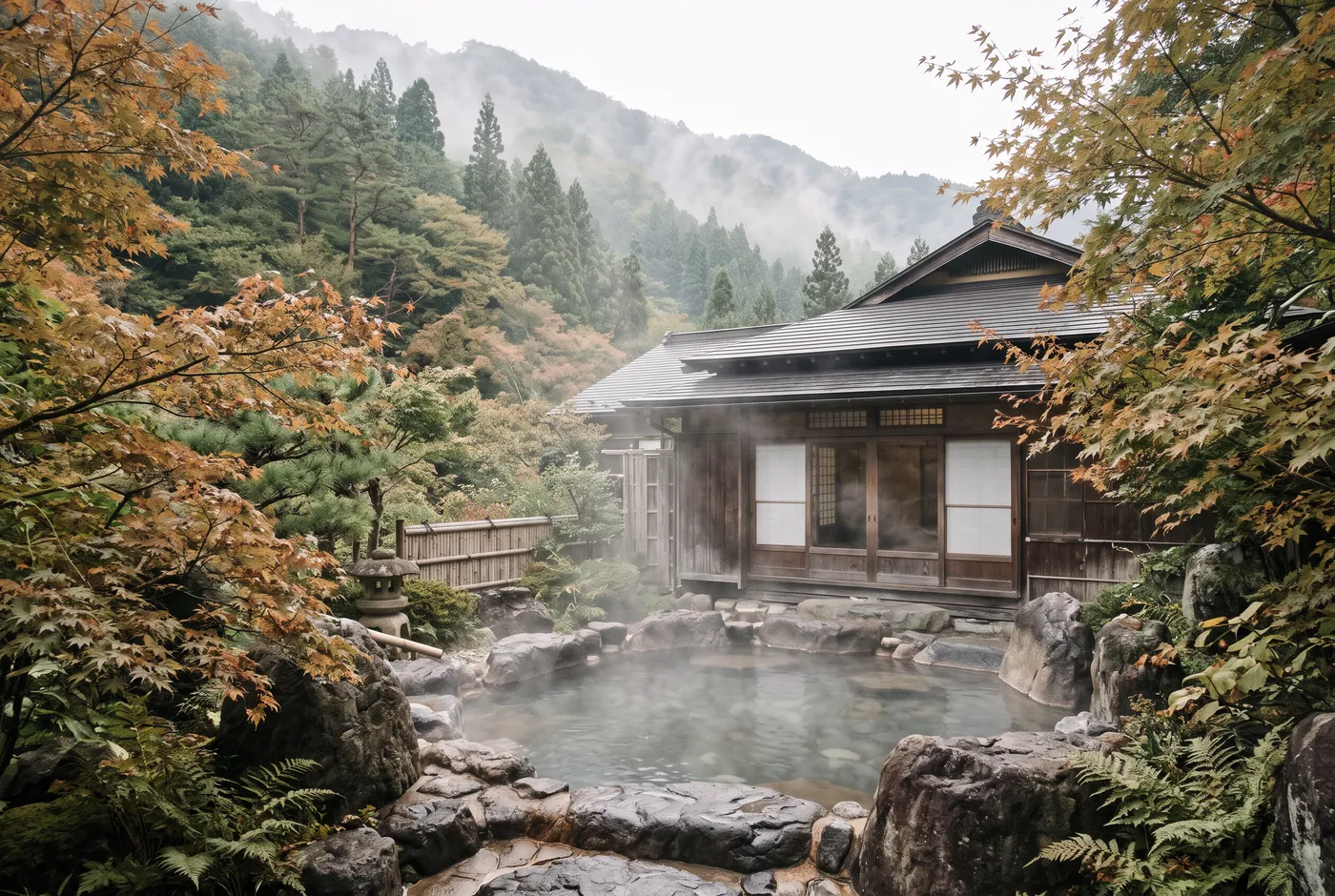
- Japan: widely seen as one of the easiest countries for solo travellers, with excellent trains and a culture in which eating alone at a counter is completely ordinary.
Bali and Thailand also have long-established retreat scenes with plenty of solo guests. The long flight and the time difference make them a better fit for a second or third retreat, once you know what you want from one.
Questions people ask
Is it weird to go on a retreat alone?
Not at all. Many guests arrive on their own, and the group format makes a retreat one of the easiest ways to travel solo. Most people find the first evening is the only slightly awkward part.
Do solo travellers pay more for retreats?
Often, because prices are usually quoted per person in a shared room. You can share a twin room with another guest, pay a single supplement for a private room, or choose a retreat where single rooms are standard. Supplements vary widely, and some hosts waive them in quieter months.
Are retreats safe for women travelling alone?
Most retreats are calm and well run, but the usual solo-travel precautions apply. Check who runs the retreat, ask about room locks and transfers, share your plans with someone at home and keep money aside so you can leave if something feels wrong. Any touch, such as yoga adjustments or bodywork, should always be optional.
What type of retreat is best to do alone?
Small group retreats with fixed start dates and shared meals are the easiest, because everyone arrives together and introductions happen naturally. If you would rather not talk at all, a silent retreat removes the social pressure completely.
Will I feel lonely on a solo retreat?
Some people feel a dip on the first evening or on a free afternoon, which is normal when travelling alone. Shared meals and group sessions usually make it short-lived. If you want more company, tell the host, who can often seat you with others or point you to a group walk.