What actually happens at a silent retreat
The silence is the easy part. What surprises many first-timers is how loud their own mind gets once nobody else is talking, and how often it quietens down after the third day. Here is what really happens, hour by hour and day by day, and how to tell whether now is a good time for you to go.
What a silent retreat actually is
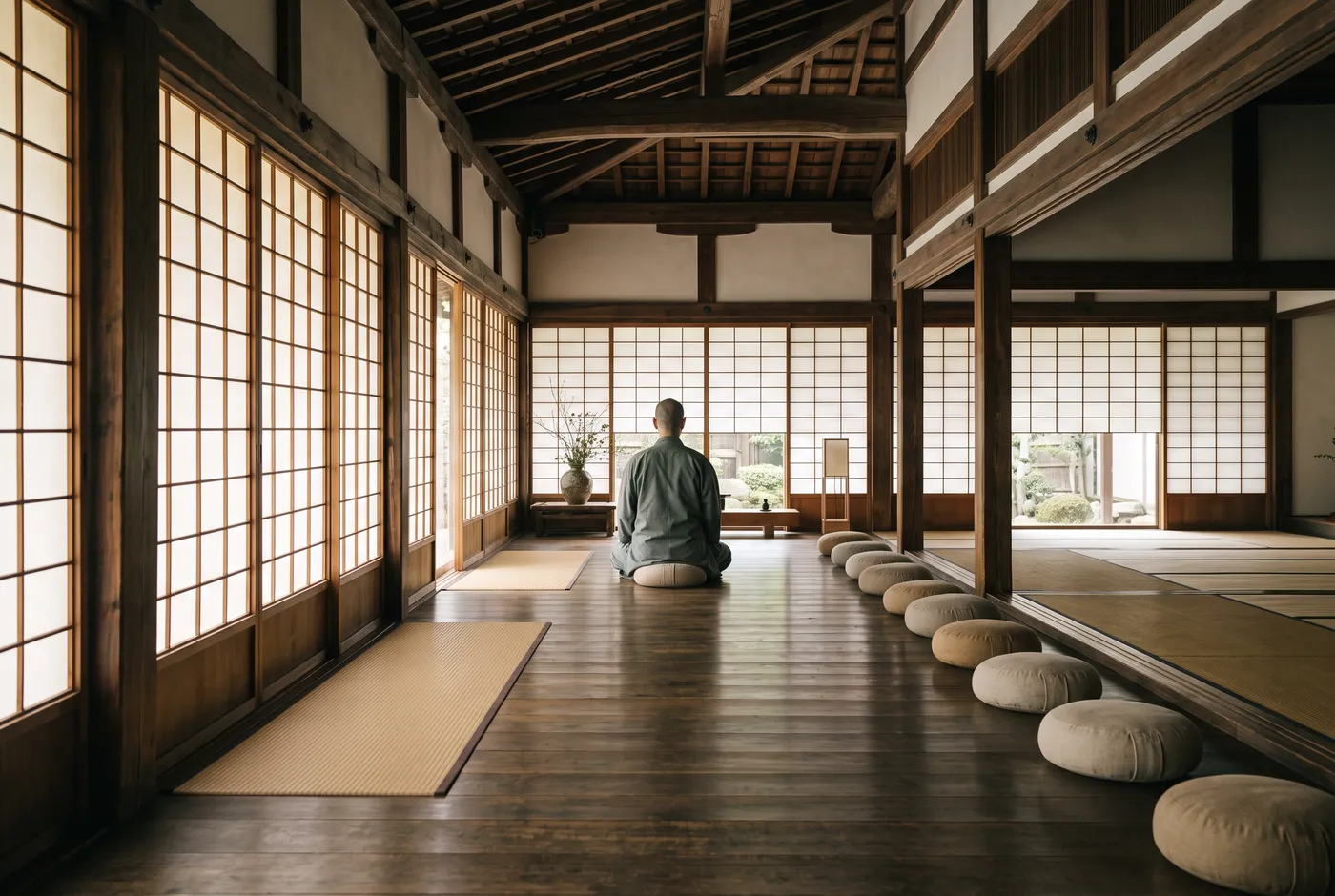
A silent retreat is a meditation retreat, usually lasting from a weekend to ten days, where everyone agrees not to talk. Most retreats call this agreement noble silence, a term borrowed from Buddhist practice, and it usually covers more than speech: no small talk at meals, no chatting in the corridor, often no reading, writing or phone, and as little eye contact and gesturing as politeness allows.
The point is not the absence of sound. Birds still sing, the kitchen still clatters and the teacher still speaks, guiding sessions and giving a talk in the evening. The point is that you stop managing other people. No introductions, no explaining yourself, no performing being fine. Without that layer, you notice what is left, and noticing what is left is the practice.
It is not isolation, either. You live, eat and sit alongside the others, and many people leave feeling oddly close to a group of strangers whose names they learn only on the last morning. For the wider picture of formats, from guided weekends to longer silent courses, see our overview of meditation and silent retreats.
A realistic daily schedule
Every tradition and teacher does it a little differently, but most residential silent retreats follow a similar shape. A typical day looks something like this:
- 05:30 Wake-up bell. Wash, tea, no conversation.
- 06:00 First sitting of the day, sometimes preceded by gentle stretching or yoga.
- 07:00 Breakfast in silence.
- 08:00 A work period of about an hour: chopping vegetables, sweeping paths, cleaning the hall. Many retreats treat this as practice too.
- 09:00 to 12:00 Alternating blocks of sitting and walking meditation, usually 30 to 45 minutes each, some with spoken guidance.
- 12:00 Lunch, often the main meal, followed by a long break for rest or a walk outside.
- 14:00 to 17:30 More sitting and walking, with short individual or small-group meetings with the teacher on some days.
- 18:00 A light supper. In some traditions the last full meal is at midday, with tea and fruit in the evening.
- 19:30 An evening talk from the teacher, followed by a final sitting.
- 21:30 Lights out.
Added up, that is anywhere from five to ten hours of formal practice a day, depending on the retreat. Nobody expects you to sit perfectly still for all of it. Shifting position, using a chair or a meditation stool, and resting during walking periods are normal, and a good teacher will say so on the first evening.
The first three days
This is the part nobody describes clearly enough beforehand: the opening days are often the hardest, and that is not a sign you are doing it wrong. Everyone’s experience is different, but many people recognise a pattern like this one.
Day one: novelty and awkwardness
Relief at not having to make conversation, mixed with the strangeness of passing people on the stairs without a word. The schedule feels long. You may be tired from travelling and surprised by how sleepy you get in the first afternoon sitting.
Day two: restlessness and boredom
The novelty wears off. Your knees and back complain, a song loops in your head, you plan your next holiday in detail and rehearse conversations with people who are not there. Boredom can feel almost physical. Some people are certain, on day two, that they should go home.
Day three: things come up
With fewer distractions, feelings that were waiting their turn arrive. Sadness without an obvious cause, irritation at someone’s breathing, old memories, sudden tears or laughter. For most people this is uncomfortable rather than overwhelming, and it tends to pass the way weather passes.
Somewhere around day three or four, many people find the mind gets quieter, the senses sharpen and the hours stop dragging. Not everyone, and not on every retreat. But if you want to leave on day two, it is usually worth waiting one more night and talking to the teacher first.
You don’t go silent to escape your thoughts. You go to meet them without an audience.
What is allowed, and what isn’t
House rules differ, so read the guidelines before you book. These are the questions first-timers ask most, with the usual answers.
- Talking to the teacher: almost always allowed in scheduled interviews or check-ins. You can also speak to staff about practical or health matters at any time.
- Taking notes: some retreats ask you not to write or journal, so that your attention stays in the present. Others allow a notebook. If writing helps you process things, ask in advance.
- Eye contact: usually discouraged rather than forbidden. Lowering your gaze gives everyone a little privacy. It is not meant as coldness.
- Phones: most retreats ask you to switch yours off and hand it in, or at least leave it in your room. Give the people at home the retreat’s contact details for emergencies.
- Reading and music: generally put away until the end.
- Exercise: walks in the grounds are normal. A run or your own yoga routine may or may not fit the schedule, so ask.
- Leaving early: you can always leave. Tell the teacher or a member of staff, though, rather than quietly packing your bag.
Who it suits, and who should wait
Silent retreats tend to suit people who are curious about meditation, who are tired of noise rather than in crisis, and who can sit through a few uncomfortable days for something they cannot fully picture yet. You do not need years of experience. A regular practice of even ten minutes a day helps, mainly because the posture and the instructions will feel less foreign.
There are also times when silence is not the right first step. Long days without conversation or distraction can bring difficult material to the surface quickly, with little to cushion it. Talk to your doctor, therapist or another qualified professional before you book if any of these apply to you:
- You are in acute grief, for example after a recent bereavement or separation.
- You live with trauma, especially if it is recent or you are working through it now.
- You have severe anxiety, panic attacks or depression, or have had them recently.
- You take medication for a mental-health condition, or have recently changed it.
- You have ever experienced psychosis or dissociative episodes.
This is not a judgement, and it does not mean never. It is the same care a good teacher applies, and a reputable retreat will ask about these things when you book. Often the better route is a gentler format first, such as a meditation weekend with conversation or a retreat with daily one-to-one support, and silence later.
How to prepare
- Practise sitting for 20 to 30 minutes a day for a few weeks beforehand, on a cushion or a chair, so the posture feels familiar.
- Try short stretches of silence at home: a morning without your phone, a walk without headphones, a meal without a screen.
- Tell the people who rely on you that you will be unreachable, and set an out-of-office that says when you will reply.
- Pack layers, soft clothes, warm socks and a shawl or blanket for your shoulders. Meditation halls are often cool in the early morning.
- If you drink a lot of coffee, consider cutting down in the week before. Some retreat kitchens serve little or none.
- Learn one simple breathing pattern to come back to when things feel intense. Our guided breathing space has gentle options; keep it slow, and if you are pregnant or have a heart or blood-pressure condition, ask your doctor which exercises suit you.
- Keep the day after the retreat free. Our guide to coming home after a retreat explains why the first days back matter.
How to choose a silent retreat
The setting matters less than the people running it. Before you book, look for these things:
- Teacher experience: how long the teacher has practised and taught, in which tradition, and whether they have led silent retreats of this length before. A clear, modest answer is a good sign.
- Interviews or check-ins: scheduled time with a teacher, individually or in small groups, so there is someone to talk to when it gets hard.
- Screening: a booking form that asks about your experience, health and current circumstances. It shows the team takes the difficult days seriously.
- Clear guidelines: written rules on silence, phones, notes and leaving early, sent before you arrive.
- Length: start with a weekend or three to five days. Seven or ten days is a lot for a first time, and a short retreat that goes well is a better foundation than a long one you leave on day two.
Our list of retreat red flags covers the warning signs in more detail. Some retreats in Buddhist traditions also work partly on donation, with a fixed fee for food and lodging and an invitation to give what you can to the teachers at the end.
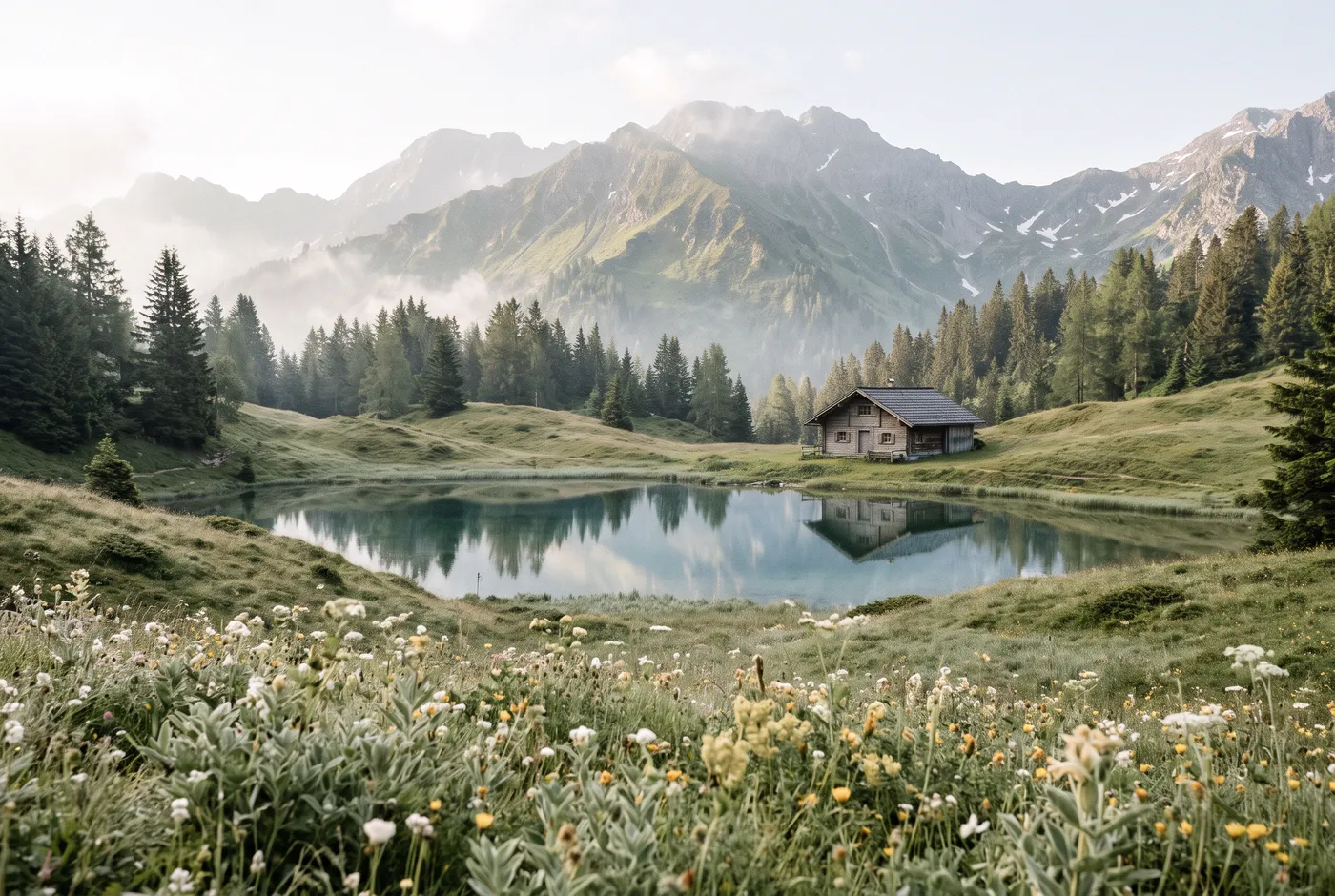
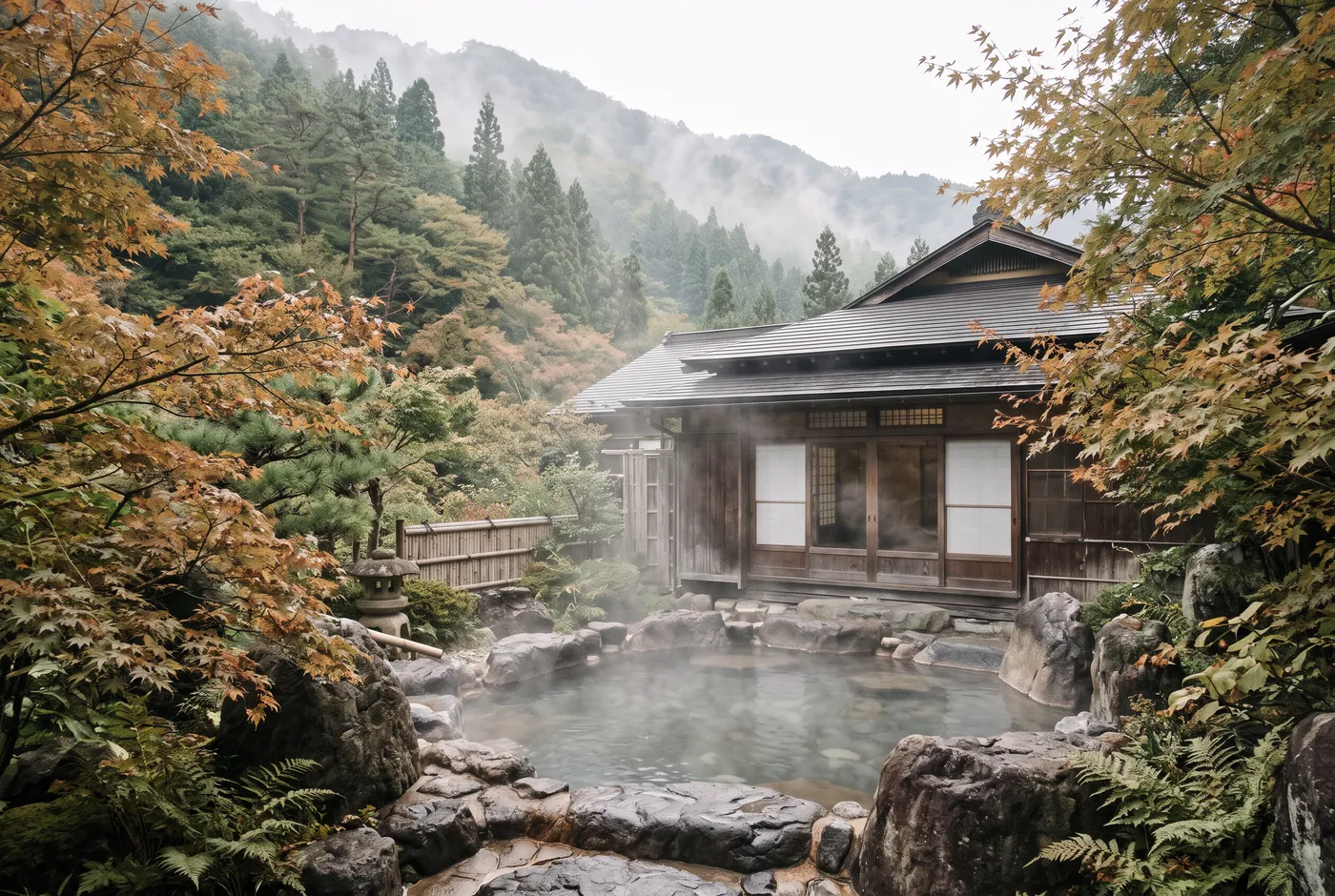
As for where: silence does not require a long flight. The Alps have quiet mountain houses and monasteries that take guests, within a train ride of much of central Europe. Thailand has a long tradition of meditation retreats, some taught in English. Japan has temple stays where early morning meditation or chanting is often part of the day. For a first silent retreat, closer and shorter usually wins.
Questions people ask
What is a silent retreat?
A silent retreat is a meditation retreat where participants agree not to talk to each other, usually for anything from a weekend to ten days. The days follow a set schedule of sitting and walking meditation, meals in silence and talks from a teacher. You can still speak to the teacher in check-ins and to staff about practical matters.
Can you talk at all on a silent retreat?
Usually only in specific situations: scheduled interviews or check-ins with the teacher, and conversations with staff about health or practical problems. Many retreats end the silence on the last day so the group can talk before everyone leaves.
Can I keep my phone on a silent retreat?
Most retreats ask you to switch it off and hand it in, or keep it in your room, for the whole stay. Give family the retreat’s contact details for emergencies, and read the house rules before you book, as they vary.
How long should my first silent retreat be?
A weekend or three to five days is a sensible start. It is long enough to get past the restless first days and short enough to stay manageable if it turns out to be harder than you expected.
Should I do a silent retreat if I have anxiety or depression?
Talk to your doctor or therapist first. Long silence and introspection can bring difficult feelings up quickly, and a retreat is not a substitute for treatment. A reputable retreat will ask about your mental health when you book and may suggest a gentler format to start with.