How to choose a wellness retreat that actually suits you
Choosing a wellness retreat gets much easier once you stop comparing pools and start with what you need. This guide takes the decisions in a sensible order, from the kind of rest you’re after to the questions worth asking a host before you pay a deposit.
To choose a wellness retreat that suits you, start with what you need from the time away, before you look at a single photo. Rest, movement, stillness and structure each point to a different kind of retreat, and that one decision turns an endless list into a short one. The practical questions then follow in a sensible order: how long, how many people, who leads it, where you sleep, what you eat, how far you travel and what it all costs.
Start with what you need, not where you want to go
Most people begin with a place and a pool. It works better the other way round. Ask yourself honestly what the past few months have taken out of you, and what would put something back. Four broad needs cover most situations.
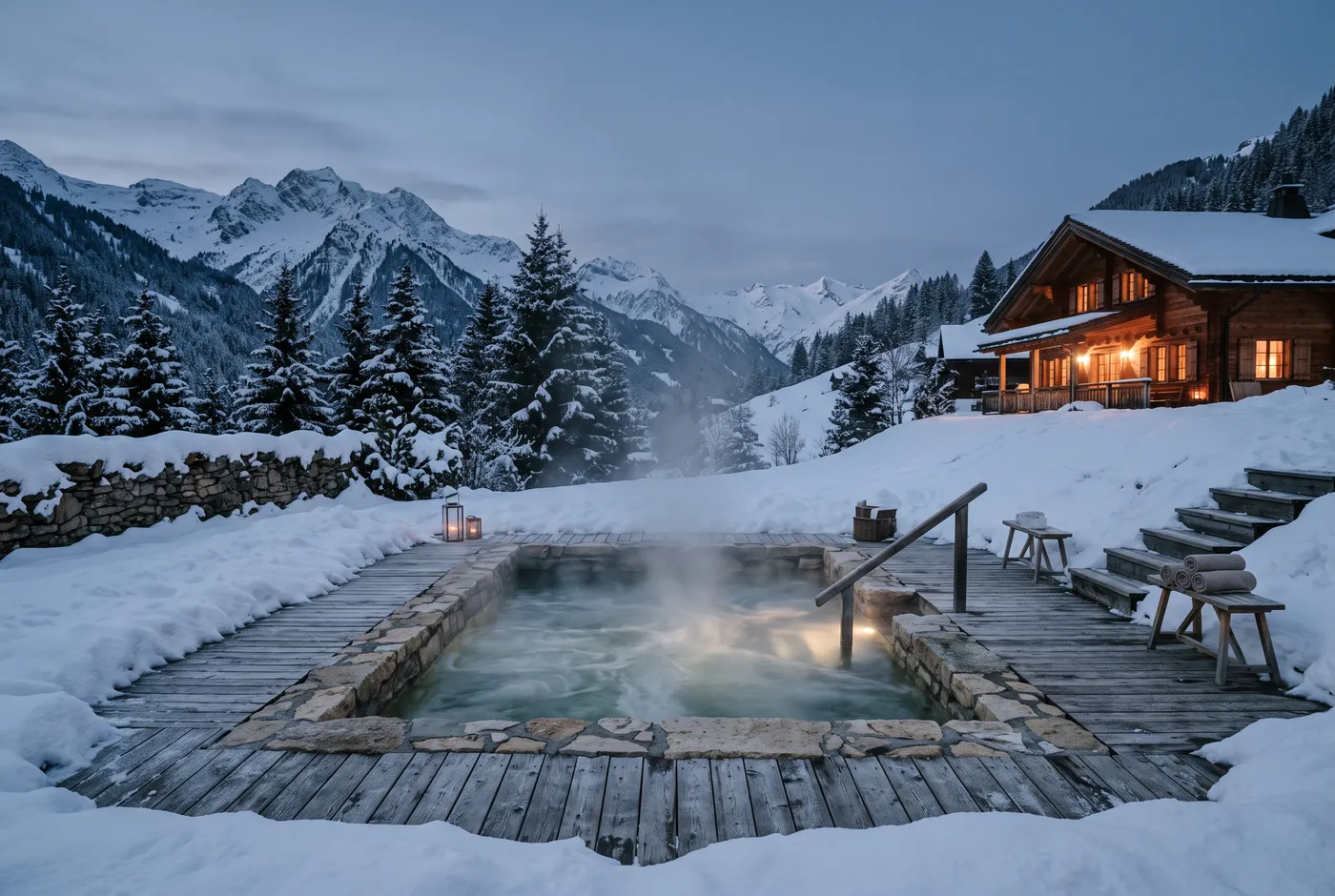
- Rest. You are tired in a way a weekend doesn’t fix. You want sleep, warm water, good food and nobody asking anything of you. Look at spa and thermal retreats or a slow forest and nature retreat.
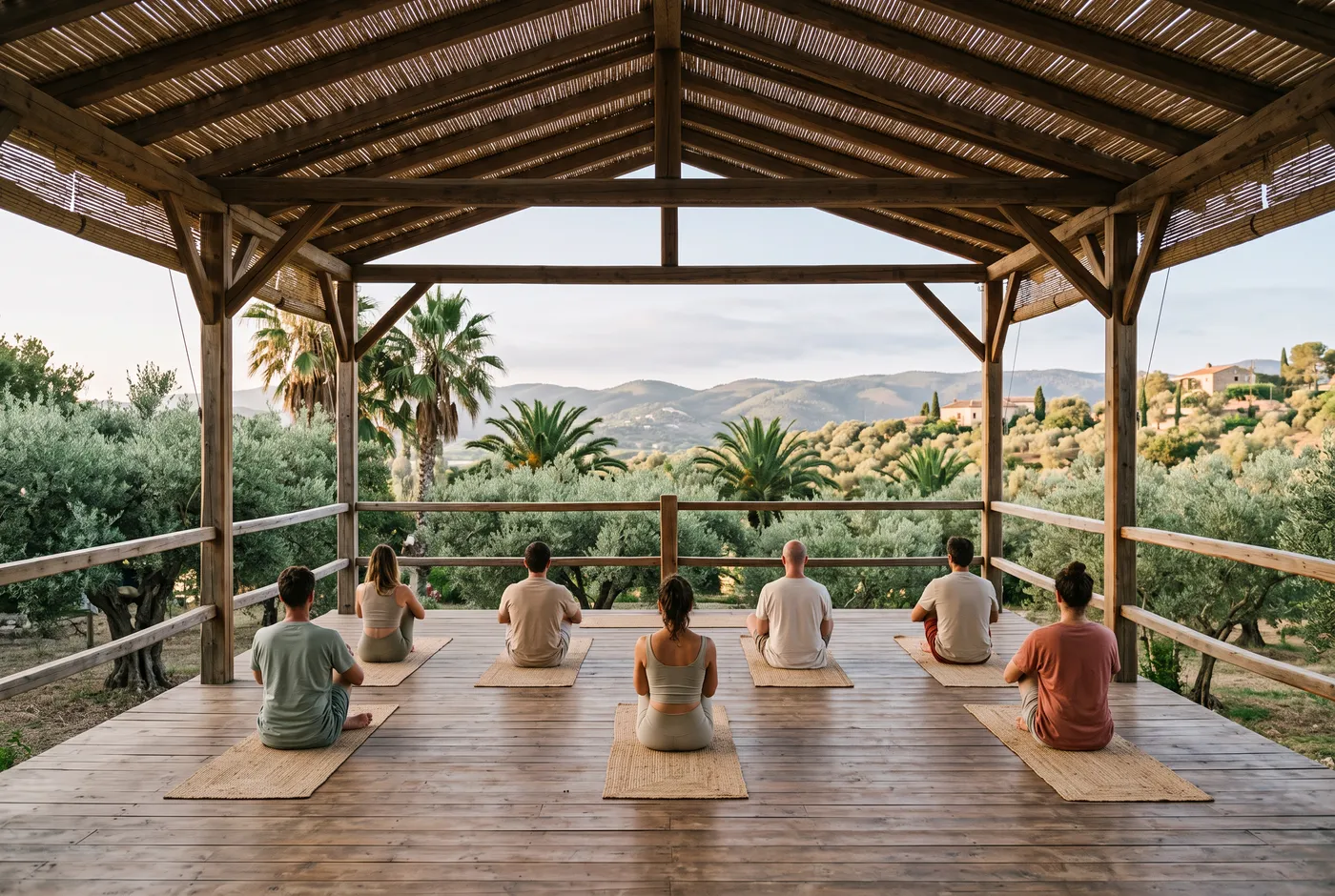
- Movement. You sit all day and your body has started to complain. You want to stretch, sweat and spend hours outdoors. Look at yoga retreats or hiking and active retreats.
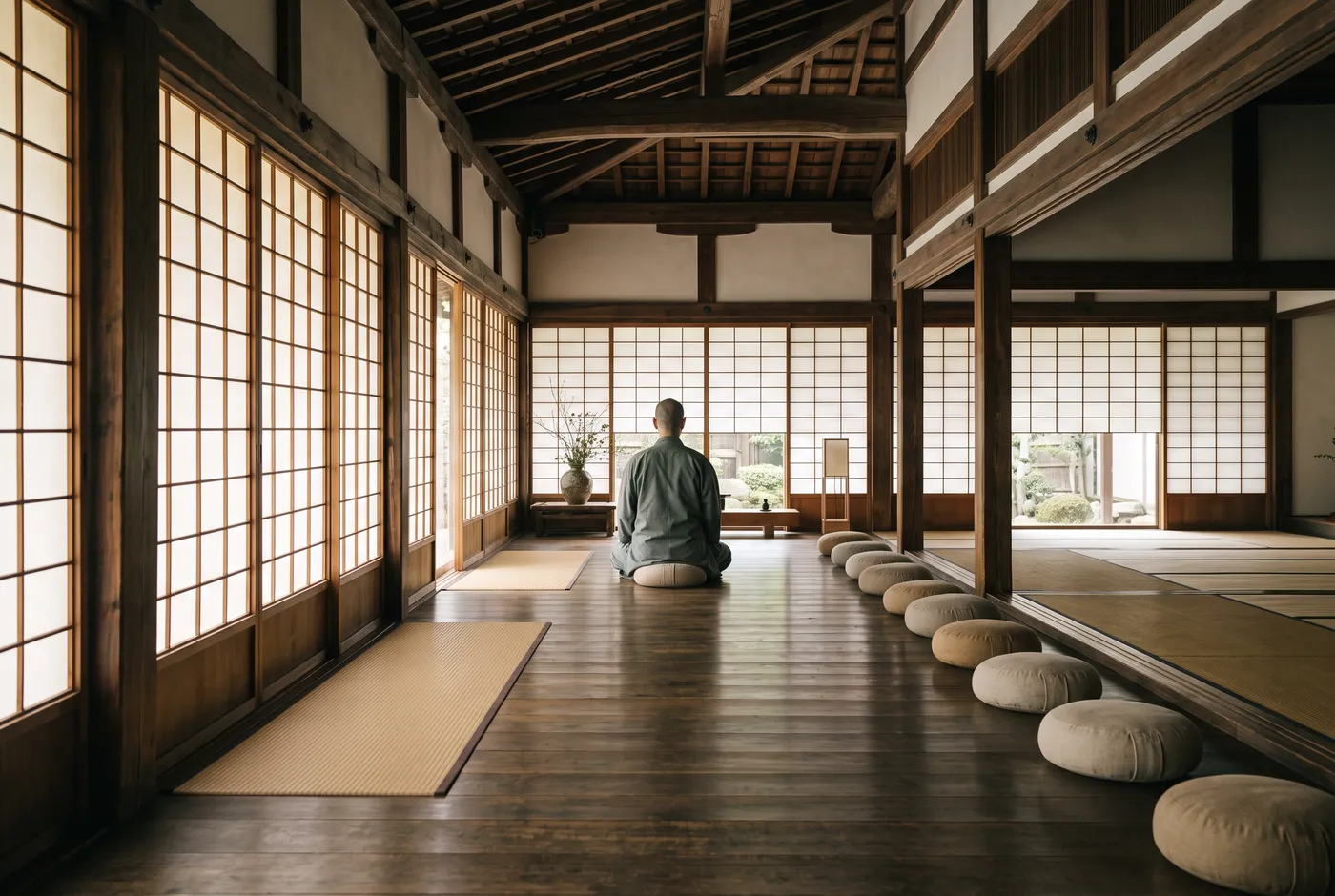
- Stillness. Your head is louder than your body. You want quiet, fewer inputs and space to think, or to stop thinking for a while. Look at meditation and silent retreats or a digital detox.
- Structure. You want to reset habits around food, alcohol, sleep or screens, with a clear programme to follow. Look at detox and nutrition retreats or, for a longer and more traditional approach, Ayurveda.
Many people need two of these at once, and that’s fine. Decide which one matters most and treat the other as a bonus: a yoga retreat with a good sauna, say, or a hiking week with free afternoons. If you can’t decide, our retreat matcher asks five short questions and suggests a retreat type and a few destinations to start from.
How long should a wellness retreat be?
Length matters more than most brochures admit. The first day or two usually go on arriving: travel tiredness, a new bed, a body that hasn’t yet realised it’s allowed to slow down. For many people, the real rest starts somewhere around day three.
- 2 to 3 nights: a taster. Good for a first try close to home or a spa weekend. Expect to feel rested rather than reset.
- 5 to 7 nights: the sweet spot for most first retreats. Long enough to settle into a rhythm, short enough to fit around work and family.
- 10 to 14 nights or more: worth it for programmes that build over time, such as traditional Ayurvedic treatments or longer silent retreats, and for long-haul trips where the flight alone takes a day.
A useful rule: the further you fly, the longer you stay. A week in Bali, with a long flight and a six- or seven-hour time difference from central Europe, can easily feel like four days of retreat and three of recovery.
Group size and the people around you
Group size shapes the week more than the décor does. In a group of six to twelve, the teacher learns your name, notices when you’re struggling and adapts. In a group of twenty or thirty, there is more energy and more anonymity, but less individual attention. Large wellness hotels often run open timetables, where you join classes with whoever turns up that day.
Ask about the usual mix as well: age range, first-timers or regulars, couples or people on their own. A retreat where many guests arrive alone is easier to walk into by yourself, and our guide to going on a retreat alone covers the rest.
Teacher and host quality
The people running the week matter more than anything on the spa menu. Before you book, look for:
- Named teachers with a clear background: how long they have taught, where they trained and what they will actually teach on this retreat.
- A sample day with real times, class styles and a note of what’s optional, rather than a vague “daily yoga and meditation”.
- A health questionnaire before arrival, which shows the host takes your body seriously.
- Honest language. A good host describes what the week offers and what it doesn’t, and makes no promises to cure, heal or “reset” anything.
- Prompt, specific answers to your emails.
If something feels off, read our guide on how to spot a good retreat and the red flags before you pay a deposit.
Accommodation, food and location
Where you sleep
Shared rooms bring the price down and suit sociable people. If you sleep lightly, or quiet is the point of the trip, a private room is worth the extra. Ask about noise: rooms above the practice hall, a busy road, dogs, cockerels or temple bells at dawn. In hot climates, ask about air conditioning or fans; in mountain lodges, ask about heating in spring and autumn.
What you eat
Many retreats serve vegetarian or plant-based food, and some run juice days or restricted menus. Read the food description closely and mention allergies, intolerances or a history of disordered eating before you book, not on arrival. If the programme involves fasting, talk to your doctor first.
Location and travel time
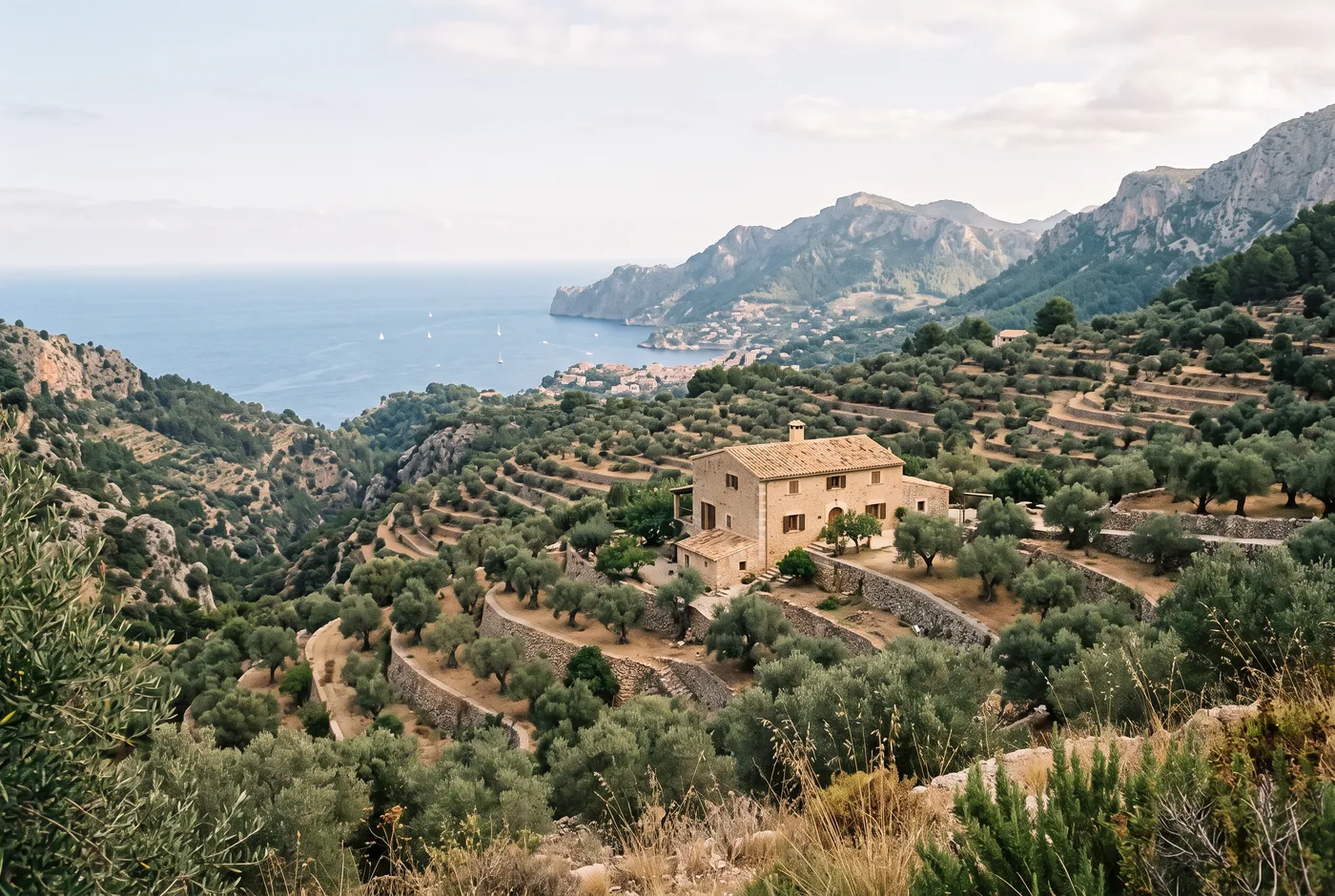
Count door-to-door time, not flight time. From most of central Europe, Mallorca, Portugal and the Alps are reachable within a day, which makes a retreat of four or five nights worthwhile. Kerala, Thailand or Costa Rica take the best part of a day or more each way and repay a longer stay. Weather matters too: our month-by-month planner shows which places are in season when you can travel.
Setting a realistic budget
Retreat prices vary enormously, and the headline figure rarely includes flights, transfers, treatments or a single room. As a rough guide in 2026, simple retreats typically start at around €60 to €120 per person per night with meals and classes, comfortable mid-range retreats sit roughly between €120 and €250, and luxury wellness hotels start at around €500 a night. Our breakdown of what a wellness retreat really costs explains the extras, and the retreat budget calculator turns your choices into an all-in estimate.
Decide on your ceiling before you start browsing, including flights and extras. It is much easier to relax on a retreat you can comfortably afford, and a clear number stops you drifting upwards one tempting photo at a time.
Questions to ask the host before booking
A good host answers these quickly, clearly and without irritation. Copy them into an email:
- What does a typical day look like, hour by hour, and which sessions are optional?
- How many guests are there usually, and how many teachers and staff?
- Who leads the sessions, and what is their training and experience?
- Is the programme suitable for a beginner, and for my particular health situation?
- What exactly is included in the price, and what costs extra?
- What is the cancellation and refund policy, and can I have it in writing?
- How do I get there from the nearest airport, and can you arrange a transfer?
- What happens if I feel unwell or need a doctor during the stay?
Putting it together
Once you know your main need, a type, a rough length and a budget, you will usually be down to three or four options. Choose the one whose host answered your questions most clearly, not the one with the most beautiful photos. Then book, close the laptop and let yourself look forward to it.
Choose the retreat that answers your questions best, not the one with the prettiest pool.
If you’d like a second opinion, tell us what you’re looking for and we’ll reply personally.
Questions people ask
What is the difference between a wellness retreat and a spa holiday?
A spa holiday is mostly about treatments and comfort, with days you plan yourself. A wellness retreat usually has a programme: classes, meals at set times and often a theme such as yoga, silence or nutrition. Many spa hotels now offer both, so check how structured the days really are.
How far in advance should I book a wellness retreat?
For popular retreats in peak season, two to four months ahead is sensible, and small-group retreats can fill earlier. Last-minute places do come up, especially outside school holidays. Book flights only once the retreat has confirmed your place.
Is a wellness retreat worth it if I have never done yoga or meditation?
Yes, as long as you choose one described as beginner-friendly or suitable for all levels. Plenty of guests are first-timers, and good teachers adapt for them. Ask the host how they look after newcomers before you book.
Should I choose a retreat close to home or far away?
For a first retreat or a stay of under a week, closer is usually better: less travel, no jet lag and more time actually resting. Long-haul destinations make sense when you can stay ten days or more, or when the place itself, such as Kerala for Ayurveda, is the point.
How can I tell if a retreat is trustworthy?
Look for named teachers with stated training, a clear address and company behind the retreat, written cancellation terms and a health questionnaire before arrival. Be wary of medical promises and pressure to book quickly. A good host answers questions patiently and in writing.