What a wellness retreat really costs, and what isn’t included
A retreat usually costs more than the price on the booking page, and less than you might fear if you plan it well. Here is what is typically included, what isn’t, rough price bands for 2026 and a worked example you can adapt to your own trip.
What does a wellness retreat cost? As a rough guide in 2026, a simple retreat with shared rooms typically costs around €60 to €120 per person per night, a comfortable one roughly €120 to €250, and luxury wellness hotels or medically supervised programmes from around €500 a night upwards. The advertised price, though, is only part of the bill. Flights, transfers, treatments and a single room can easily add a third or more, so compare the whole cost rather than the headline. Our retreat budget calculator adds it all up for you in a minute.
What is usually included in a retreat price
Most retreats quote a package price per person. It typically covers:
- Accommodation for the stated number of nights, often in a shared twin room unless you pay more for your own
- Meals, usually three a day or two plus snacks; drinks other than water and herbal tea may be extra
- The core programme: the classes, guided meditations, talks or hikes listed in the schedule
- Use of shared facilities such as the pool, sauna or practice hall
- Sometimes one treatment, an excursion or an airport pick-up at fixed times
Wellness hotels often work differently. You pay for the room, sometimes with half board, and book classes and treatments as you go. The nightly rate looks lower, but the final bill can climb quickly, so ask for a price that includes the treatments you actually want.
What usually costs extra
- Flights. Within Europe, typically somewhere between €100 and €400 return, depending on route and season. Long-haul to Asia or Central America is often roughly €600 to €1,300 in economy, and more around Christmas and in school holidays.
- Transfers. Retreats are often remote. A private taxi from the airport can cost more than you expect; shared transfers at set times are usually cheaper.
- Treatments. Massages and therapies are rarely included in full. As a rough guide, a massage typically costs from about €30 in parts of Asia to €120 or more in European spa hotels.
- Single supplement. Prices are usually quoted per person sharing. A private room commonly adds a quarter to a half again, sometimes more in small venues.
- Tips. Some retreats suggest a voluntary contribution for staff and teachers at the end of the stay. Customs vary by country, so ask what is usual.
- Visas and entry fees. Within Europe these rarely apply to EU citizens, but trips to India or Indonesia, for example, involve visa or arrival fees for many European passports. Check the current rules for your passport well ahead.
- Travel insurance. Worth having for any retreat abroad. Check that it covers cancellation, medical care and the activities you plan, such as hiking or surfing.
- Everything else. Coffee, a glass of wine on the free evening, day trips, a book from the shop, the yoga mat you suddenly want to take home.
Wellness retreat prices in 2026: rough bands per night
These figures are orientation, not quotes. They are per person per night and typically include accommodation, meals and the core programme. For the same comfort level, prices in Asia often sit lower than in Europe, and peak weeks anywhere sit higher.
- Simple: around €60 to €120. Shared or basic private rooms, simple vegetarian food, one or two classes a day. Common for yoga and meditation retreats in rural Portugal, Bali, Thailand and Kerala.
- Comfortable: around €120 to €250. A private room with bathroom, good food, a fuller programme, perhaps a treatment or an excursion. A sensible range for a first retreat.
- Upscale: around €250 to €500. Boutique hotels and small, well-staffed retreats with spa facilities and more treatments included.
- Luxury and medical: from around €500. High-end wellness hotels and clinic-style programmes with medical consultations and daily treatments. At the very top, well over €1,000 a night is not unusual.
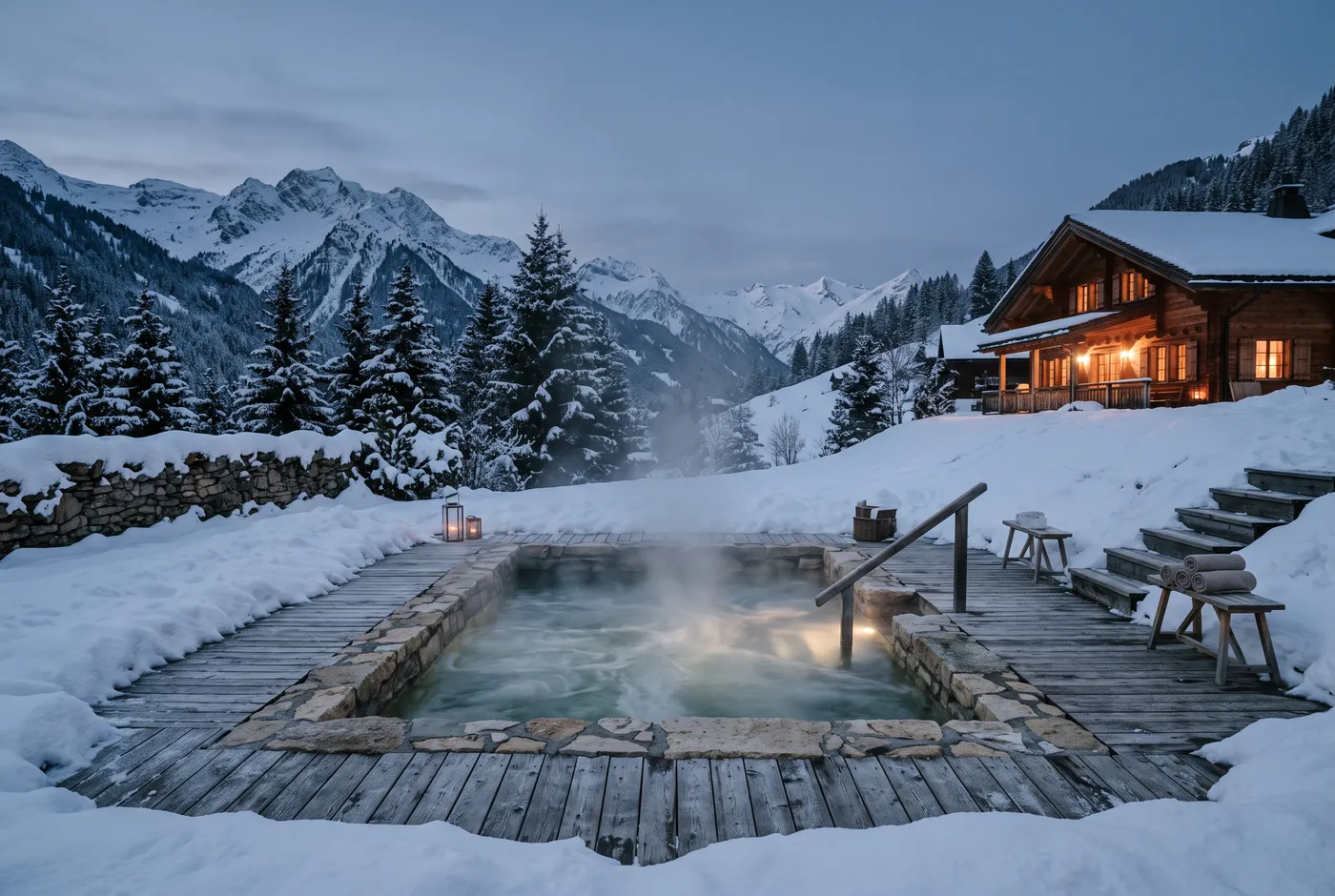
Some types are easy to misread on price alone. Traditional Ayurveda in Kerala is often priced per day including the doctor’s consultation, daily treatments and food, which makes it look expensive next to a yoga retreat until you count what is included. Spa-focused stays in the Alps tend to sit in the upper bands. Our pages on spa and thermal retreats and detox and nutrition retreats explain what each type usually involves.
What drives the price of a retreat
- Season. Christmas, Easter and the summer holidays push prices up. In the tropics, the dry season is peak season.
- Room and occupancy. A private room with its own bathroom and a view costs more than a shared twin at the back.
- Staff per guest. Small groups with experienced teachers cost more to run than large classes, and are usually worth it.
- Treatments and medical input. Anything involving doctors, therapists or daily massages adds up quickly.
- Setting and facilities. A beachfront, thermal pools or a remote mountain location all carry a premium.
- Length of stay. Weekly packages are often cheaper per night than short stays.
How to save without losing quality
- Travel in shoulder season. Spring and autumn in southern Europe, or the edges of the dry season in the tropics, often bring lower prices and quieter venues. Our month-by-month planner shows which places are in season.
- Share a room. Twin sharing brings the nightly price down noticeably, and some retreats will pair you with another solo guest.
- Go shorter and closer. Five nights in Portugal or Mallorca with a short flight often gives you more rest per euro than ten days long-haul with jet lag.
- Compare what’s included, not what’s cheapest. A retreat that includes transfers and a treatment can end up cheaper than a bargain that charges for everything.
- Ask about early-booking or returning-guest rates. Some hosts offer them without advertising them.
- Consider donation-based courses. Some meditation centres in the Buddhist tradition run residential courses on a donation basis. They are simple and strict, and not for everyone; read about meditation retreats first.
What not to cut: an experienced teacher, a quiet room if you sleep badly, and travel insurance. Those three decide whether the week actually feels like rest.
A worked example: six nights in Portugal
Here is an illustrative example, not a quote. Say you live in Germany and book a six-night yoga retreat in Portugal, in a private room advertised at around €200 per night.
- Retreat package, 6 nights, private room: roughly €1,200
- Return flight within Europe: roughly €150 to €350
- Airport transfers both ways: roughly €40 to €120
- Two massages during the week: roughly €140 to €200
- Travel insurance: roughly €20 to €50
- Coffee, a day trip and a contribution for staff: roughly €80 to €150
All in, that comes to roughly €1,630 to €2,070, or about €270 to €345 per night. In other words, the real cost sits around a third to two thirds above the advertised package. Put your own numbers into the retreat budget calculator to get an estimate for your trip before you commit.
Is a more expensive retreat better?
Not necessarily. Price buys comfort, privacy, staff time and location. It doesn’t buy a better teacher or a kinder group. Some of the most restful weeks happen in simple places with one excellent teacher, good food and nothing to do in the afternoon.
What matters more is a clear programme, an honest host and a setting that fits what you need. Our guide on how to choose a wellness retreat walks through those decisions, and if a deal looks too good to be true, check it against the retreat red flags.
Questions people ask
How much does a week-long wellness retreat cost?
As a rough guide in 2026, seven nights at a simple retreat typically cost around €420 to €840 per person, a comfortable mid-range retreat roughly €840 to €1,750, and luxury programmes from about €3,500 upwards. Flights, transfers, treatments and insurance come on top. Treat these figures as orientation, not quotes.
Are flights included in the price of a retreat?
Usually not. Retreat prices normally cover accommodation, meals and the programme. Some include airport transfers at fixed times, so check the inclusions before you book your flights.
What is a single supplement?
Retreat prices are usually quoted per person sharing a room. If you want a room to yourself, you pay a single supplement on top, commonly somewhere between a quarter and a half of the shared price. Some retreats reduce it outside peak season, so it is worth asking.
Do you tip at a wellness retreat?
It depends on the country and the retreat. Some hosts suggest a voluntary contribution for staff at the end, collected in one place and shared out; others include service in the price. Ask the host what is usual.
Why are retreats in Asia often cheaper than in Europe?
Lower costs for staff, food and property mean the same comfort level often costs less per night in Thailand, Bali or Kerala. Longer flights, visa fees and the extra nights a long-haul trip needs eat into that saving, so compare the all-in total.