Japan
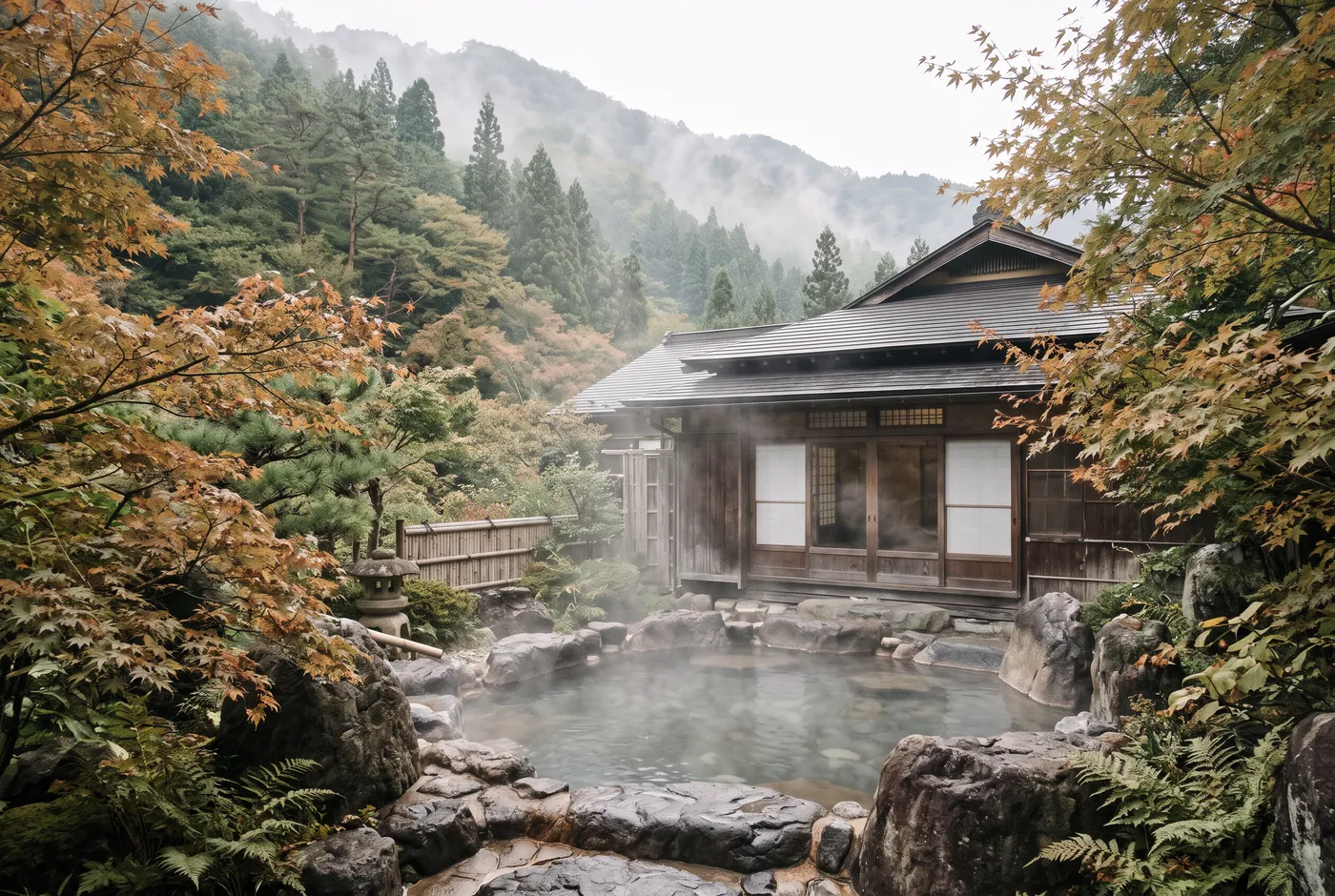
Japan does quiet better than almost anywhere: a temple bell before breakfast, a hot-spring bath at dusk, a forest path with few other walkers. You won’t always find a “retreat” as such, but you’ll find all its ingredients.
Best time to go
Compare all destinationsThe numbers refer to central and western Honshu, including Kyoto, Koyasan, the Kii Peninsula and Hakone: spring and autumn are best, June to mid-July is the rainy season, and August is very hot and humid. Hokkaido and the mountains are the cooler summer alternatives.
Where to stay
Kyoto and around
The old capital, with Zen temples, gardens and tea culture. Busy at the famous sights, but early mornings and the hills around the city, such as Ohara, are calm.
Koyasan and the Kii Peninsula
Mount Koya, a centre of Shingon Buddhism with temple lodgings, and the Kumano Kodo pilgrimage trails through forested mountains, both part of a UNESCO World Heritage site. The heart of temple stays and walking retreats.
Hakone and the Izu Peninsula
Hot-spring towns within easy reach of Tokyo, with mountain views, forest and traditional inns. Ideal for a few days of onsen rest at the start or end of a trip.
The Japanese Alps
Mountain areas in Nagano and Gifu prefectures, with old post towns, hiking trails and hot springs. Cooler in summer and snowy in winter.
Why Japan works for a retreat
Japan is not the first place people think of for a wellness retreat, and that is part of its appeal. It has few of the yoga-and-smoothie retreats you’ll find elsewhere. Instead, it has centuries-old practices that fit rest naturally: Zen meditation, temple lodgings, hot-spring bathing and the habit of walking slowly through forests, which the Japanese call shinrin-yoku, or forest bathing.
It is also deeply ordered and calm. Trains run on time, streets are clean and people are quiet in public. For many visitors, that alone feels restful after a busy year.
What retreats here are like
Organised wellness retreats exist, but many people build their own from a few simple pieces. A night or two in a temple lodging, or shukubo, on Mount Koya means a vegetarian Buddhist dinner, a futon on tatami and the chance to join early-morning prayers, often around 6 am. In hot-spring towns, traditional inns called ryokan serve long seasonal dinners and have baths for soaking morning and night.
Walking is the other pillar. The Kumano Kodo pilgrimage trails link shrines through cedar forest, with inns at the end of each day and luggage transfers along much of the route. Guided forest bathing walks and zazen sessions at Zen temples are easy to add. Hot baths are demanding on the circulation: if you have heart or blood-pressure problems or are pregnant, ask your doctor first, and keep each soak short.
When to go, month by month
Spring and autumn are the best seasons. Cherry blossom reaches Kyoto and Tokyo around late March to early April, bringing great beauty and big crowds. April and May are mild and green, though the Golden Week holidays from late April into early May are very busy. October and November are arguably even better: clear skies, comfortable temperatures and autumn colour in the forests and temple gardens.
The rainy season runs from about early June to mid-July. Rain is not constant, and moss gardens and hydrangeas look their best, so June still works. Late July and August are hot and humid, often above 35 °C in the cities, and typhoons are possible from August to October. If you travel in high summer, head north to Hokkaido or up into the mountains. September stays warm, easing towards the end of the month. Winter is cold and mostly clear on the Pacific side and snowy in the mountains, a fine time for hot springs and quiet temples. Compare all months in our when-to-go planner.
Where to stay
For temples and Zen, base yourself in Kyoto, but stay in a quieter district or in the hills, and visit famous sights early. For a true temple stay, go to Koyasan, and for walking, the Kumano Kodo trails on the Kii Peninsula. For hot-spring rest close to Tokyo, try Hakone or the Izu Peninsula. In the Japanese Alps, Nagano and Gifu offer mountain trails, old post towns, onsen and a cooler summer.
A good shape for a two-week trip is three or four bases, with at least one night in a temple lodging and one in a ryokan along the way.
Getting there and around
Direct flights from Frankfurt or Munich to Tokyo take roughly 13 to 15 hours. As with any long-haul trip, it pays to stay longer and fly less often. Once in Japan, you can travel almost entirely by train, which is one of the quiet pleasures of the country; see our notes on slow travel. The shinkansen links Tokyo and Kyoto in under three hours, and local lines and buses reach Koyasan, Hakone and the mountains.
Japan is a very easy country for solo travellers, and many temple lodgings and ryokan welcome single guests, though some charge more for one person. Signs and menus increasingly come in English, and a translation app covers the rest.
Costs and travelling mindfully
As a rough guide in 2026, temple lodgings typically cost around €70 to €200 per person per night including dinner and breakfast, while ryokan with hot springs range widely, often roughly €120 to €400 per person per night with meals. Organised week-long retreats usually cost somewhere around €1,500 to €3,500 per person. Return flights from Central Europe often add roughly €700 to €1,300.
Japan’s etiquette is part of the calm. In an onsen, wash thoroughly at the shower stations before you enter the bath, keep your towel out of the water and bathe without swimwear. Many baths still refuse guests with tattoos, though policies vary, and private baths are an easy alternative. Kyoto feels the strain of overtourism, so don’t block narrow lanes, never photograph geiko or maiko without permission, and spread your visits across quieter neighbourhoods and early hours.
For another temple culture, compare Thailand; for forest and wildlife, see Costa Rica. Or browse all destinations and tell us your wishes.
Questions people ask
When is the best time for a wellness trip to Japan?
Spring (April and May) and autumn (October and November) are the best seasons, with mild weather and beautiful landscapes. Winter is cold but lovely for hot springs. Avoid August in the cities if you can, as it is very hot and humid.
Can foreigners stay in a Buddhist temple in Japan?
Yes. Temple lodgings, called shukubo, welcome foreign guests, especially on Mount Koya. You sleep on a futon, eat vegetarian Buddhist food and can usually join early-morning prayers or meditation. Book ahead in spring and autumn.
Can I use an onsen with tattoos?
It depends. Many public baths still refuse guests with visible tattoos, though more places now accept them or allow small tattoos to be covered with a patch. Private baths, which many ryokan offer, are the easiest option. Check the policy before you go.
Is the Kumano Kodo suitable for beginners?
Some sections are. The best-known stretches of the Nakahechi route can be walked in day stages of a few hours with inns at the end, and luggage transfers are often available. Trails are steep and slippery in places, so good shoes and reasonable fitness help.
How expensive is a retreat-style trip to Japan?
As a rough guide in 2026, temple lodgings cost around €70 to €200 per person per night including meals, and ryokan with hot springs often roughly €120 to €400. Trains are efficient but add up, and return flights from Central Europe often cost roughly €700 to €1,300.
Retreat types that suit Japan

Forest and nature retreats
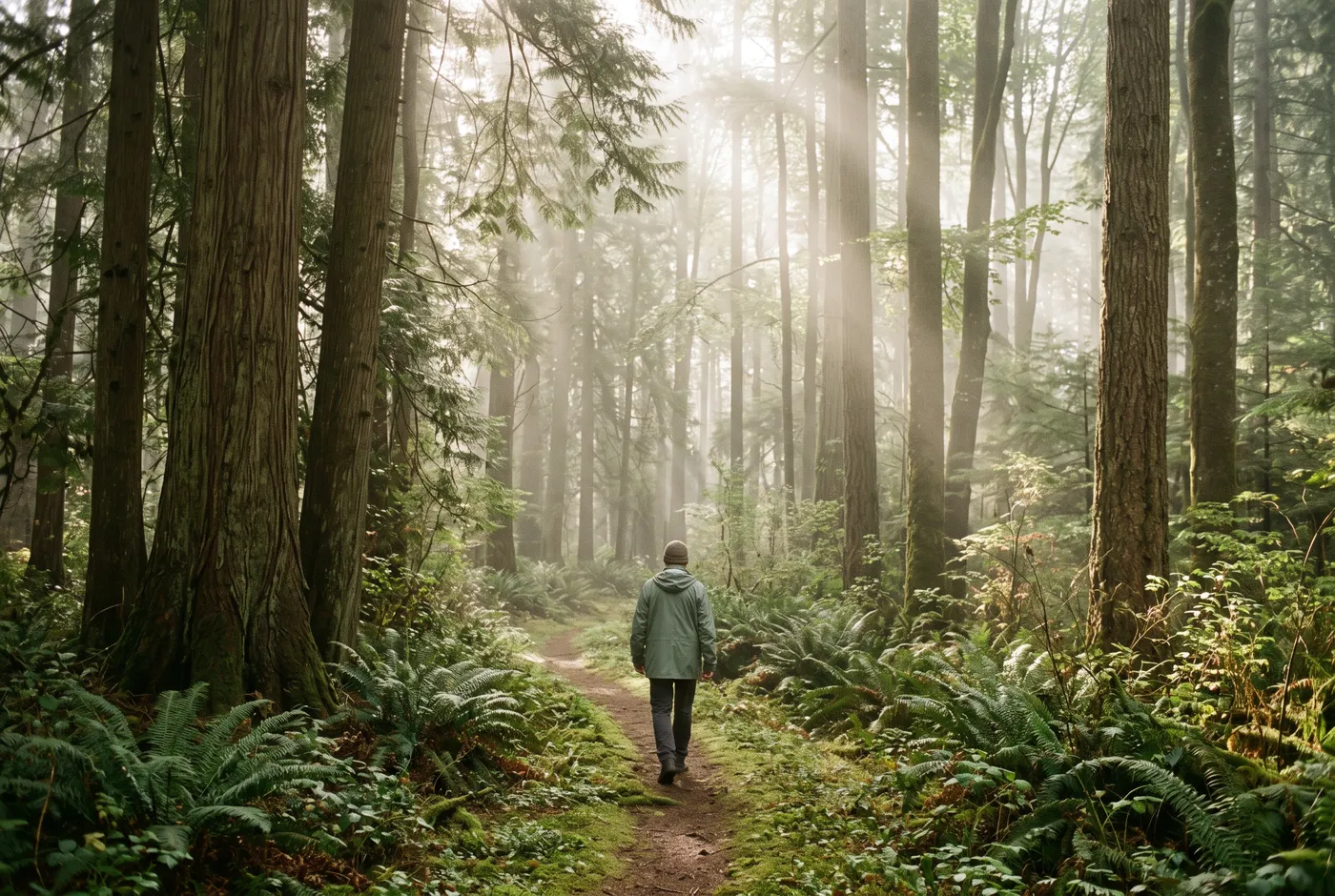
Forest bathing, wild swimming and dark skies. Slow days outdoors, and how to pick a good guide.
Spa and thermal retreats
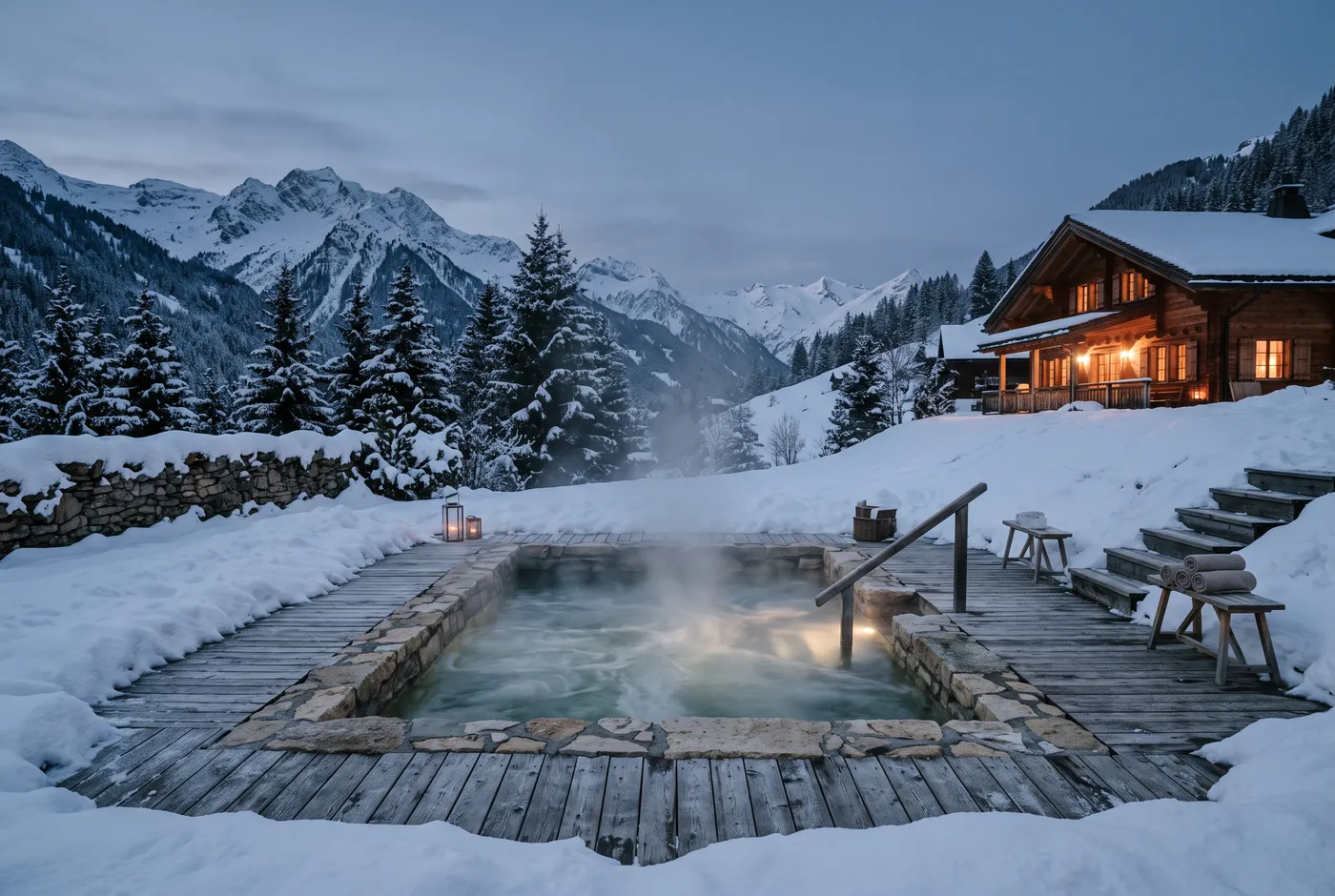
Thermal springs, sauna rituals and onsen. The gentlest retreat type, and how to make the most of it.
Meditation and silent retreats
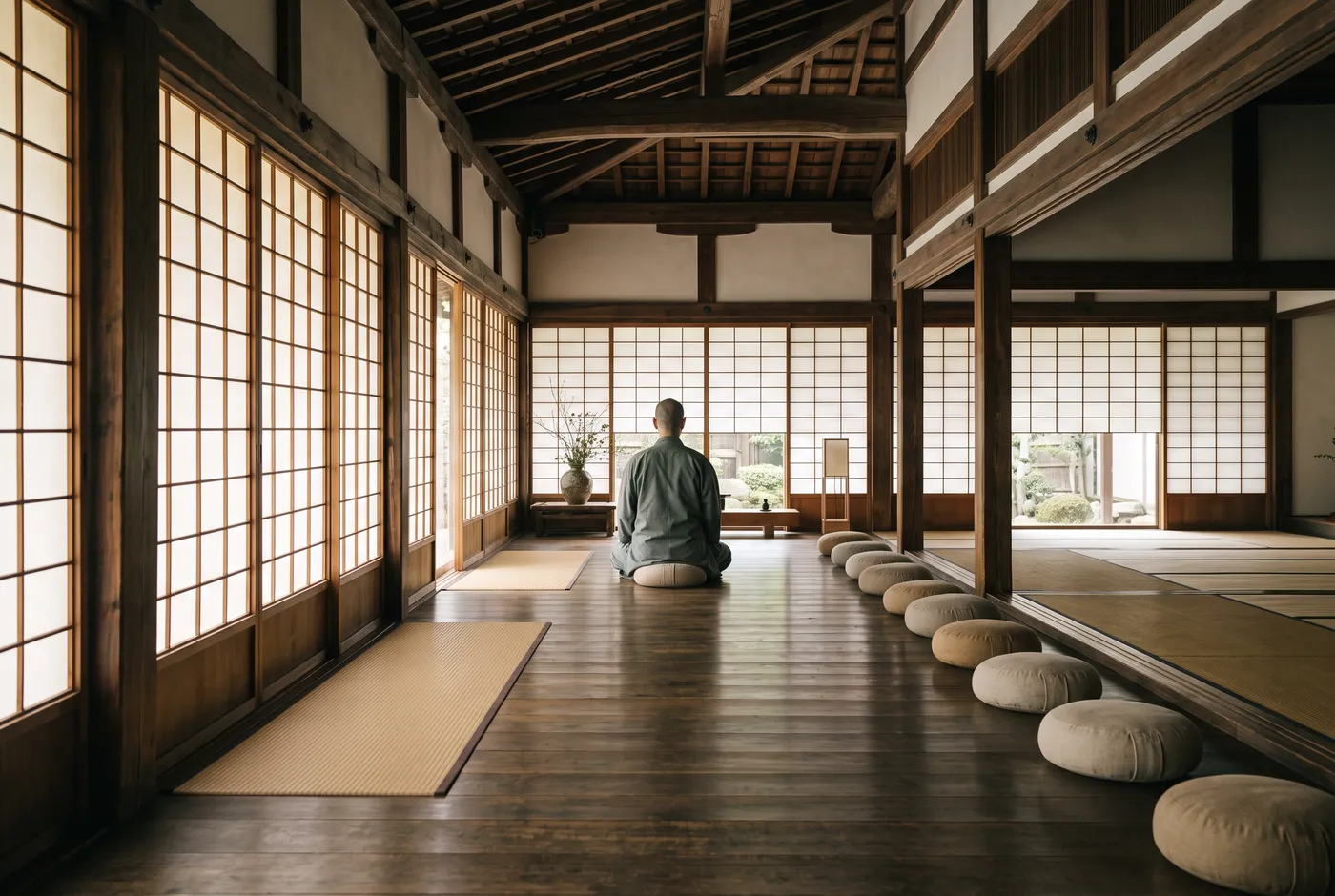
Days of sitting, walking and keeping quiet. What silent retreats ask of you, and how to pick a good one.
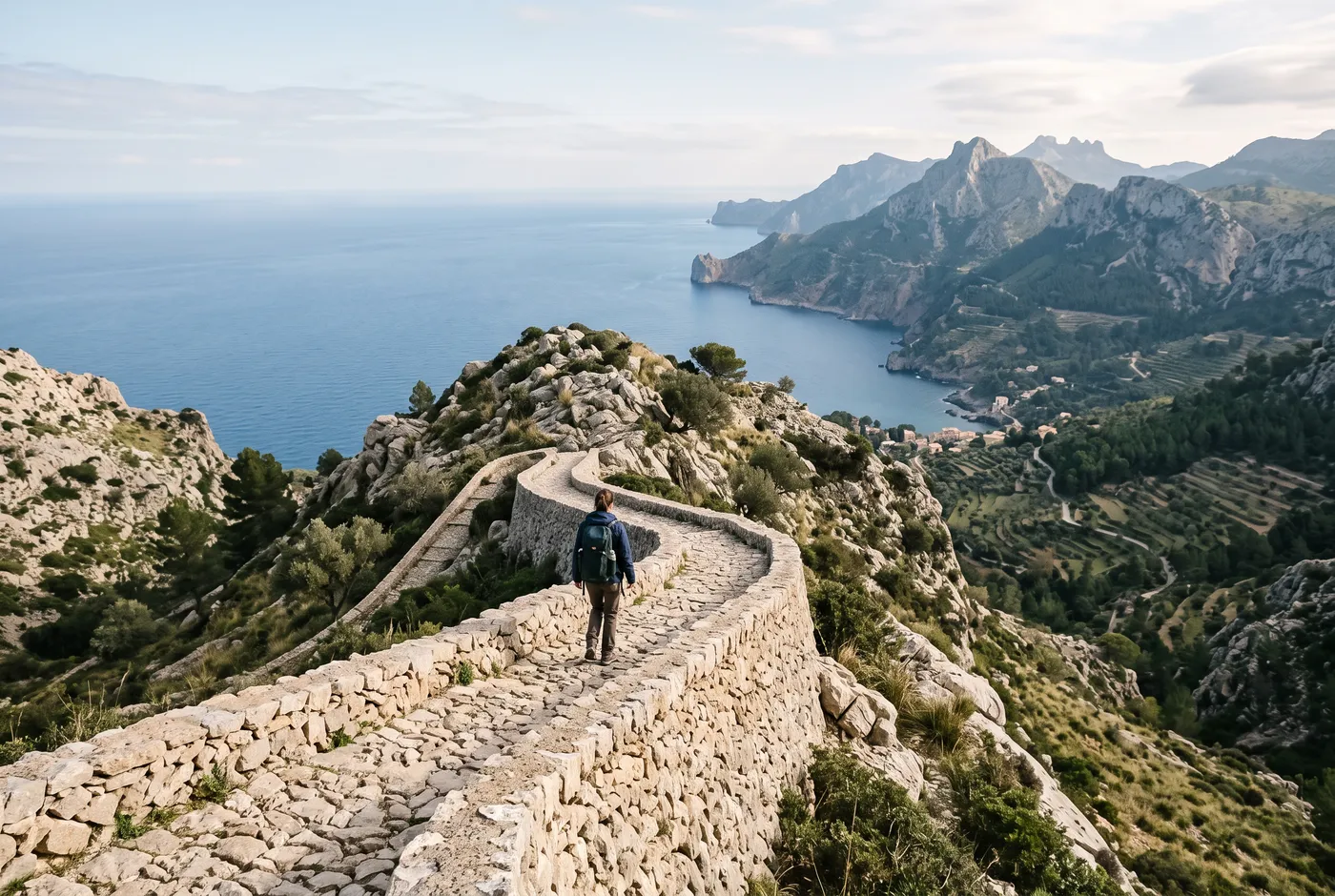
Hiking and active retreats
Long walks, yoga and deep sleep. How hiking retreats work, and how fit you really need to be.
From the journal
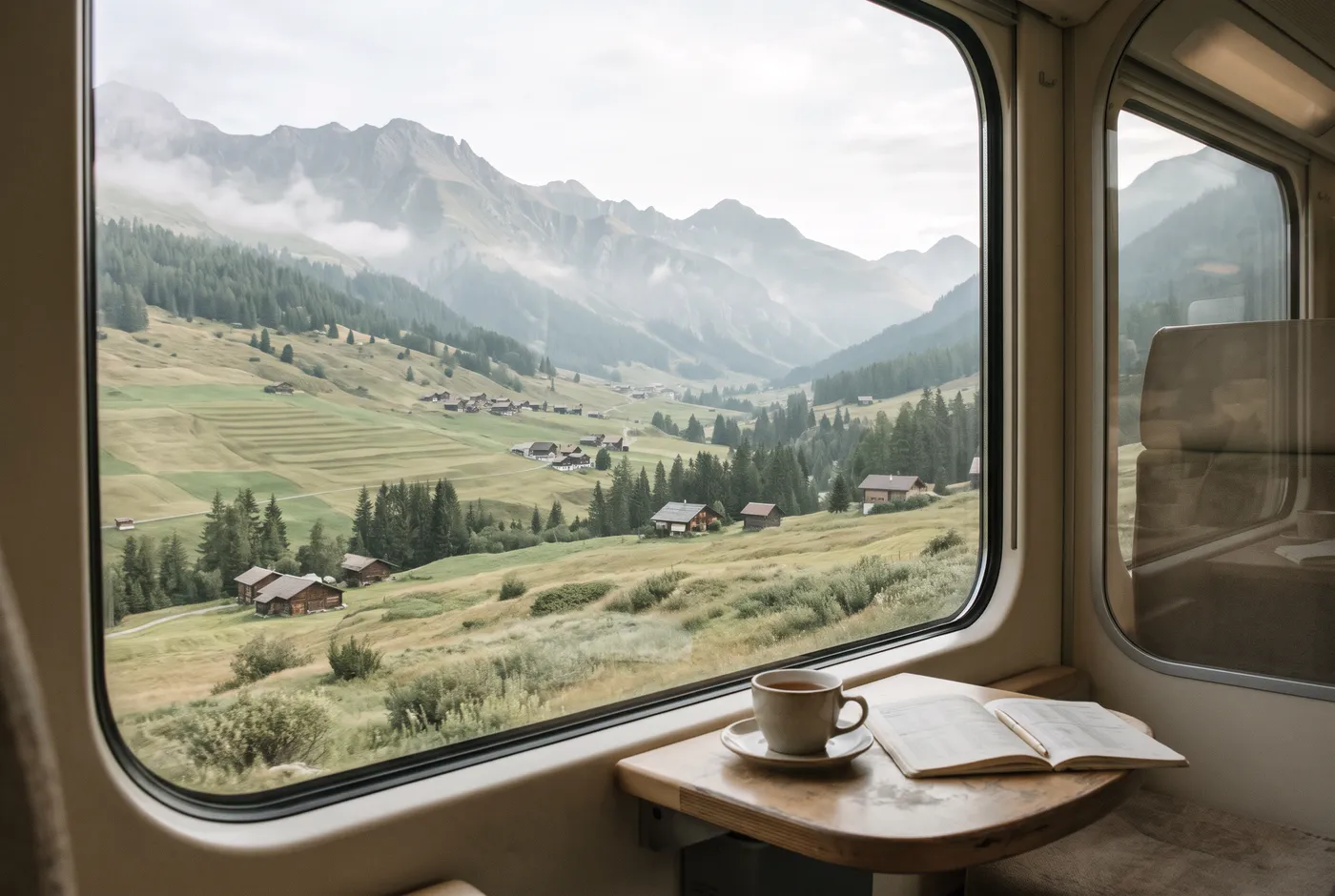
Slow travel, explained: what it is and how to plan it
Slow travel isn’t about speed. It’s about arriving fewer times. What it means and how to plan it.
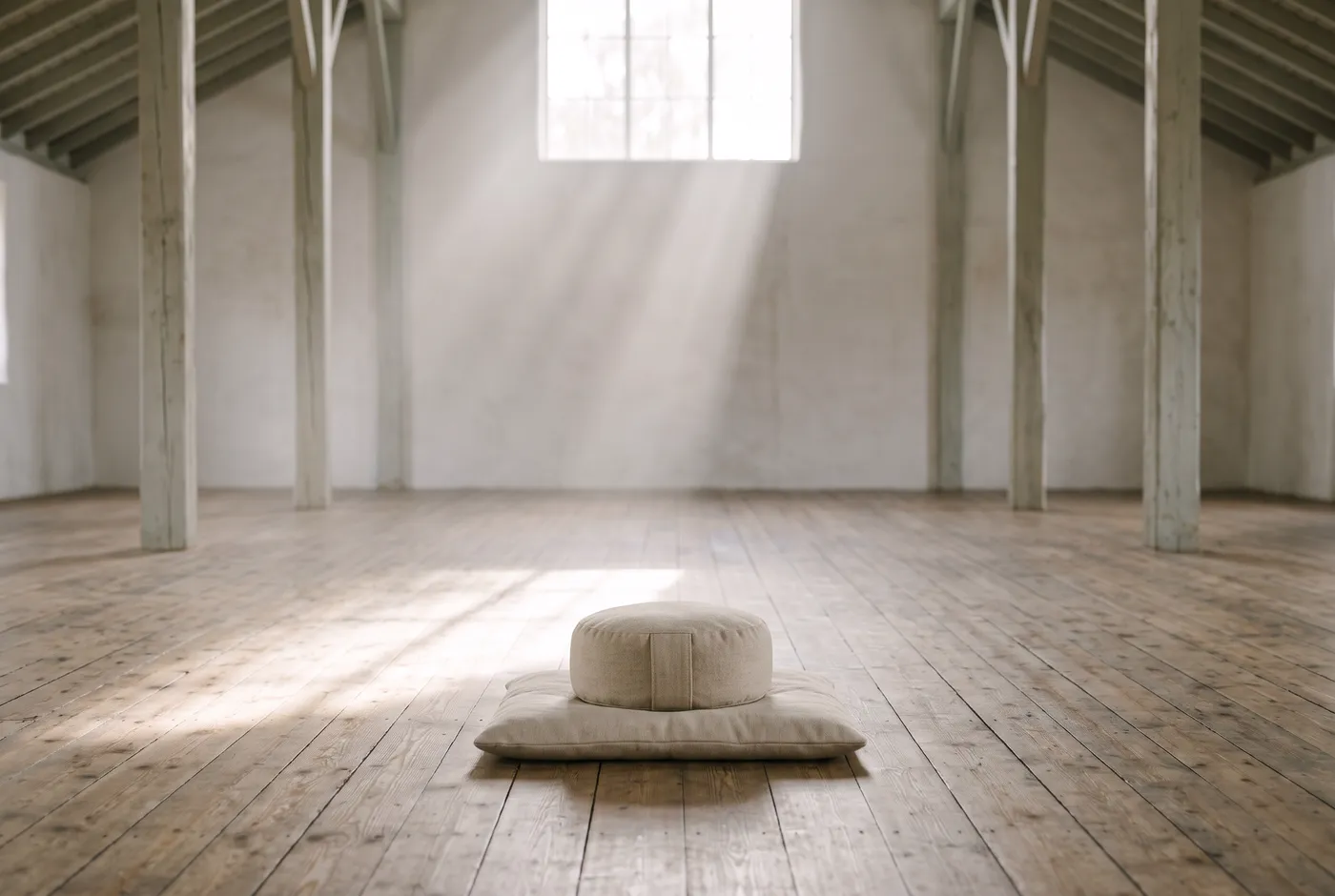
What actually happens at a silent retreat
The silence is the easy part. A realistic look at the schedule, the hard first days and the rules.
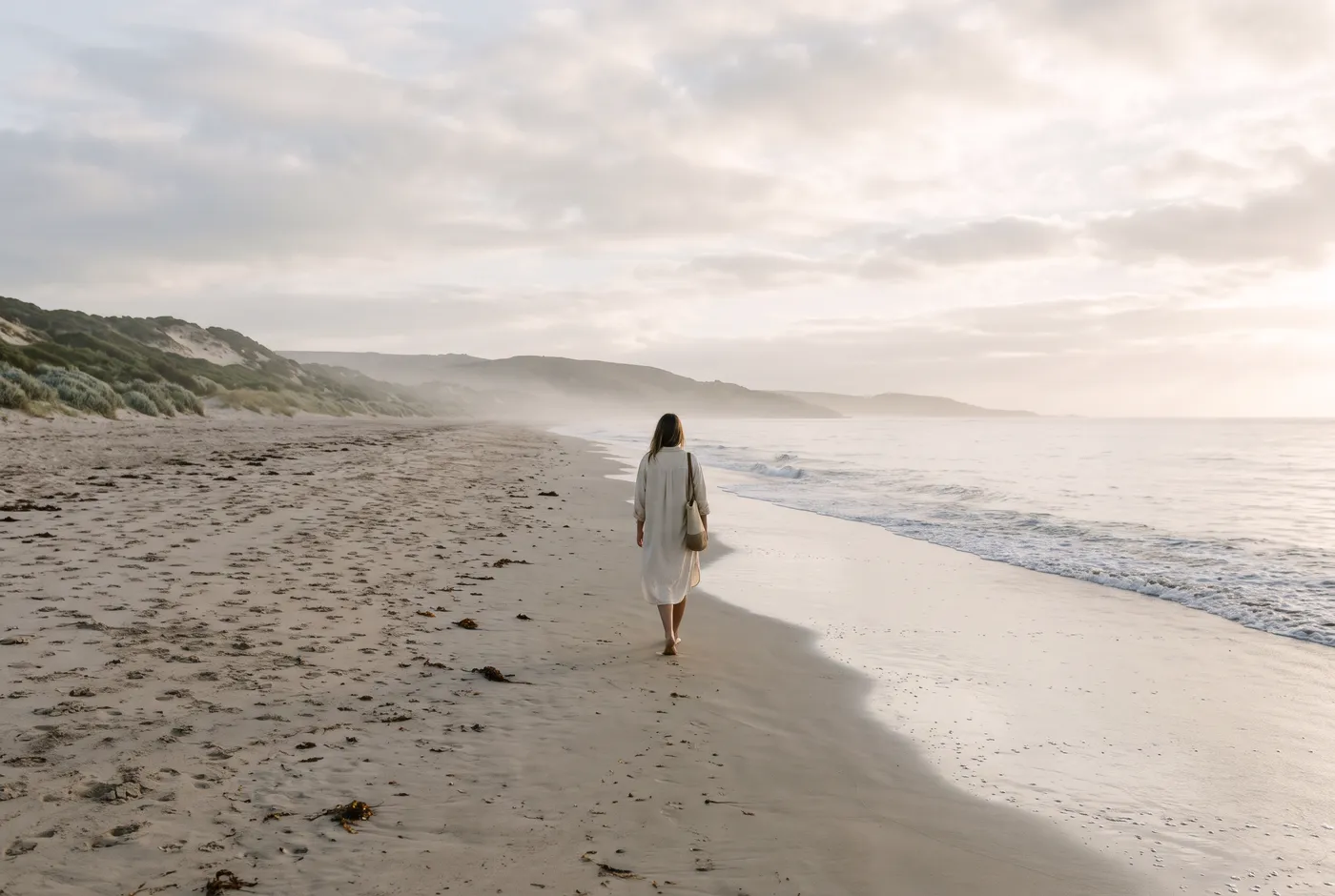
Going on a retreat alone: what to know before you book
Why a retreat is one of the easiest ways to travel alone, and how to choose the format, room and place.
Tell us how you want to feel.
Send us your wishes in a few clicks. We read every message and reply personally with retreat types, places and good questions to ask hosts.
Plan your retreat