Slow travel, explained: what it is and how to plan it
Slow travel has surprisingly little to do with speed. It is about arriving fewer times: fewer check-ins, fewer first mornings spent working out where the bakery is, fewer days lost in transit. Here is what that looks like in practice, and why it fits so naturally around a retreat.
What slow travel is, and what it isn’t
Slow travel is a way of planning trips around time in a place rather than the number of places. You stay longer, move less, and let the rhythm of where you are shape your days instead of an itinerary. It shares its thinking with the slow food movement: attention and quality over volume and speed.
Because the idea is simple, it is often misunderstood. It helps to be clear about what it is not.
- Not a budget backpacking style. It works at any price level, from a rented flat to a retreat with a full programme.
- Not a months-long sabbatical. Ten days in one valley is slow travel. Ten days in five cities is not.
- Not a rule against flying. Overland travel is part of it where it makes sense, but some places are only realistically reached by plane.
- Not a moral badge. It is, first of all, a better way to travel for the person doing it. The lighter footprint is a welcome side effect.
The principles
There is no official definition, but most people who travel this way would recognise these principles.
- Fewer places. One base, or two at most, for a trip of a week or two. Every move costs half a day and a share of your attention.
- Longer stays. As a rule of thumb, three nights is the minimum for a place to stop feeling new, and after about a week it starts to feel like yours.
- Overland where it makes sense. Trains, ferries and buses turn the transfer into part of the trip, and you arrive having watched the landscape change.
- Local rhythms. Eat when people there eat, notice market days, accept that shops close for lunch in some regions. Fighting the rhythm is tiring; joining it is restful.
- Seasonality. Go when a place is most itself, not only when it is warmest, and eat what is in season while you are there.
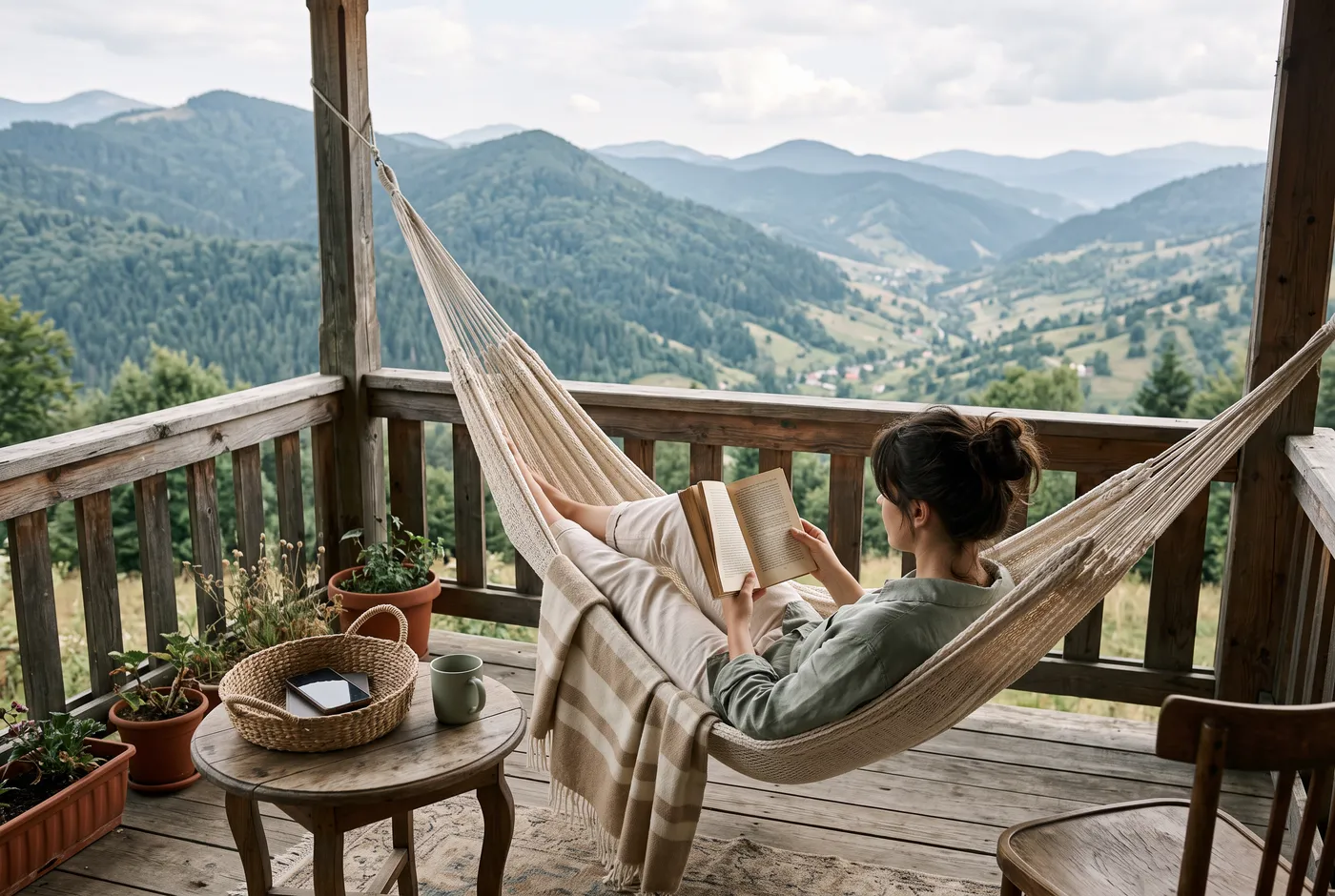
- Room for nothing. Leave whole afternoons unplanned, ideally with your phone in a drawer. The digital detox calculator shows how much time that can give back.
An empty afternoon is not a gap in the itinerary. It is the itinerary.
Why slow travel and retreats belong together
A retreat teaches you to slow down for a few days. Slow travel is what stops that pace from ending abruptly at the departure gate. The two fit together in three simple ways.
- Arrive a day or two early. You land, sleep, walk, and start the retreat rested, instead of switching straight from work mode into the first session.
- Stay on afterwards. A few quiet days in the same region let the retreat settle before ordinary life returns. Our guide to coming home after a retreat covers that transition in detail.
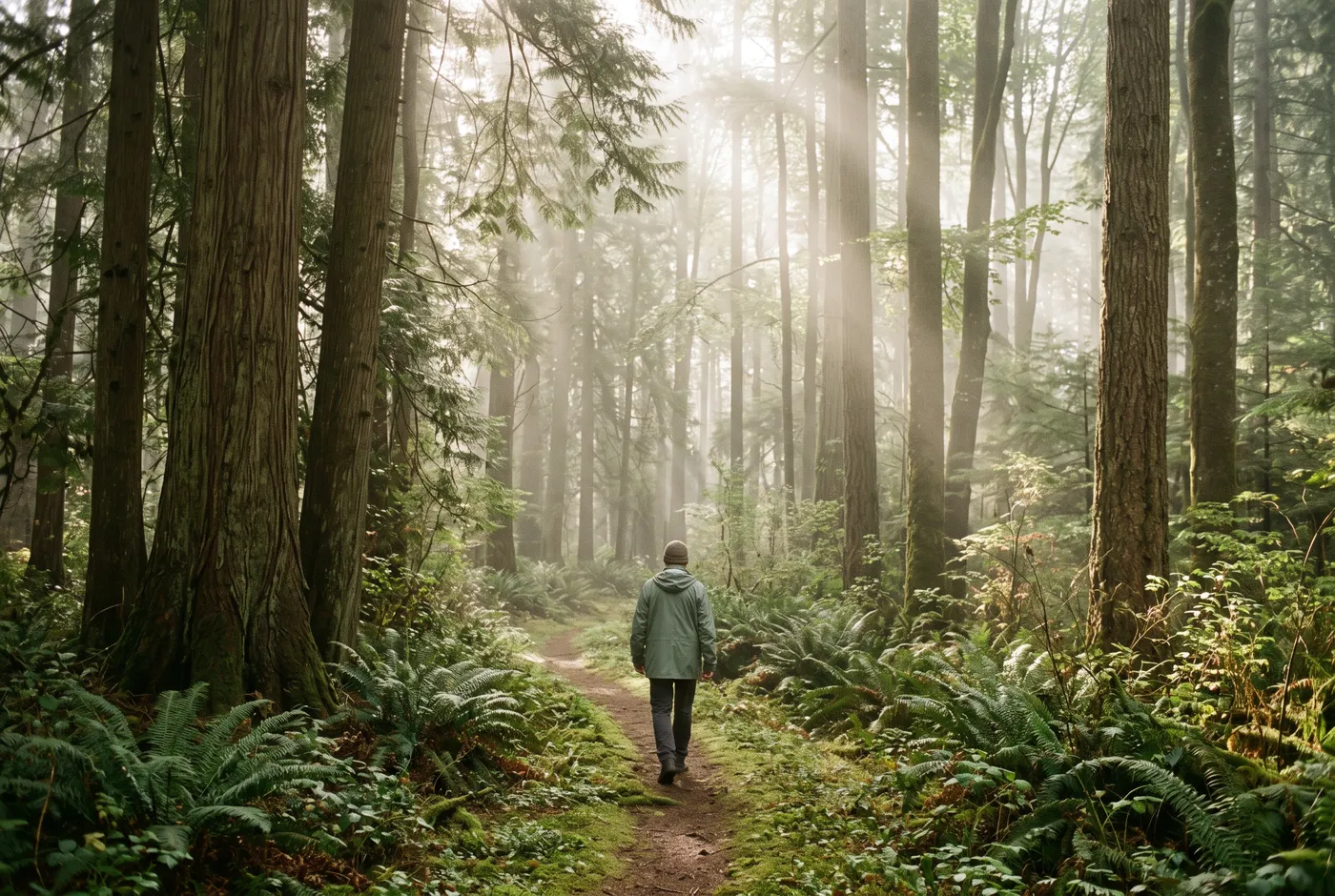
- Choose a retreat in a place you would want to stay anyway. A forest and nature retreat in a region you can explore on foot makes the extra days a natural continuation rather than an add-on.
The extra nights add cost. But the flights or trains stay the same, so a few days on either side of a retreat are often better value than a second short trip later in the year.
Practical planning
By train to the Alps
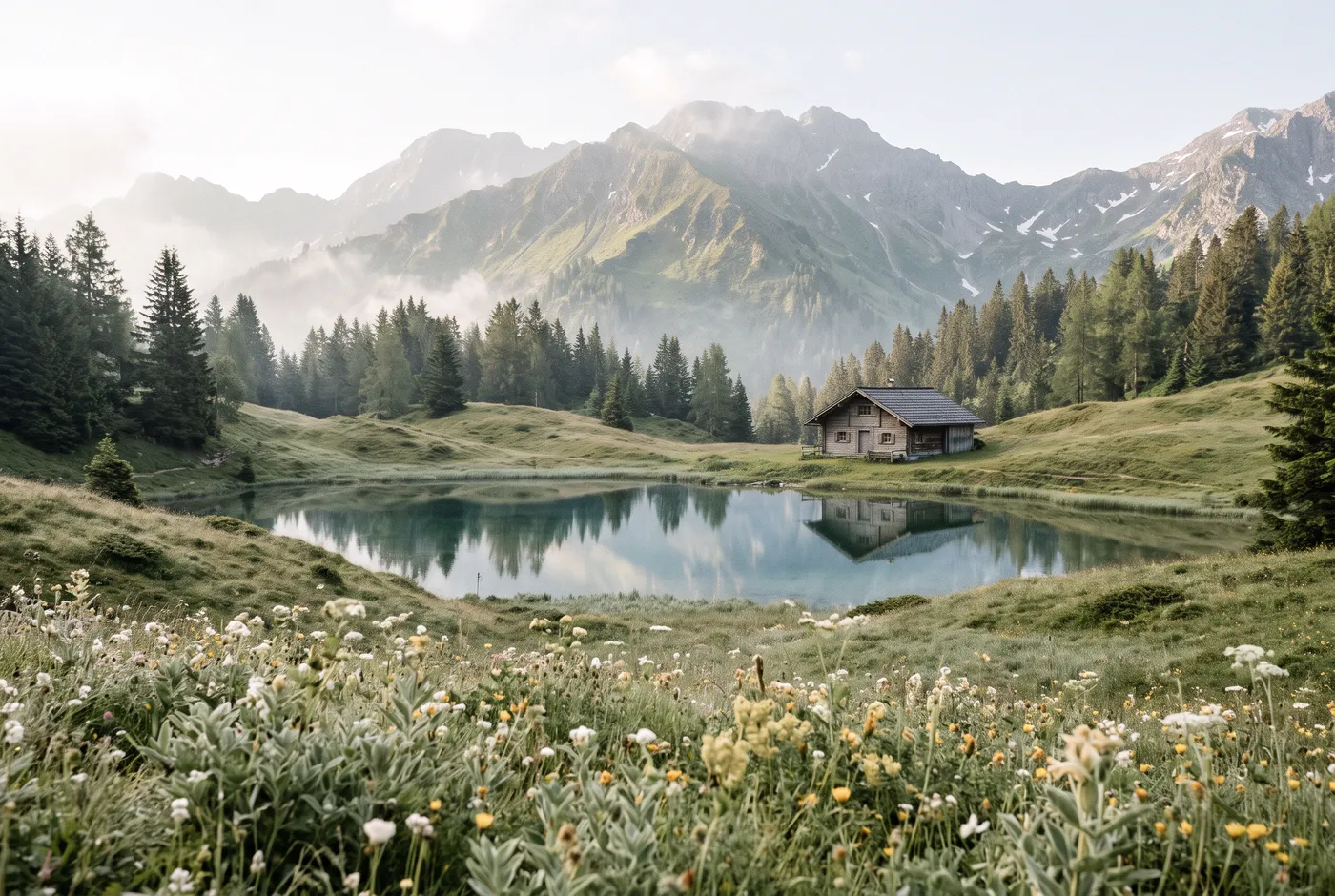
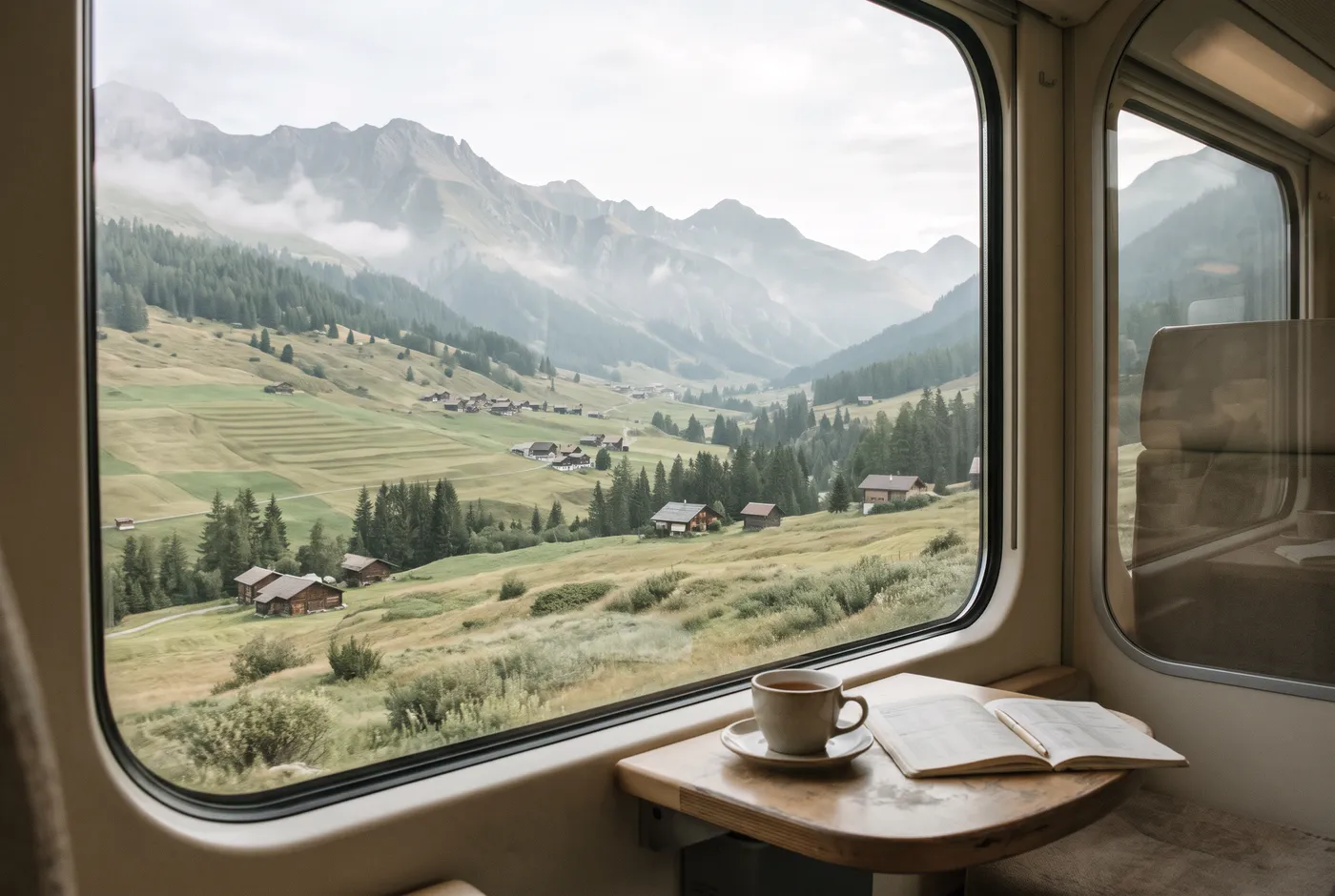
For much of central Europe, the Alps are the obvious place to start. From many cities in Germany, the Netherlands, Belgium and northern Italy, you can reach Austria, Switzerland or South Tyrol by train within a day, often with one or two changes, and night trains run on some routes. Once you are there, regional trains, buses and, in many regions, guest cards that include local transport mean you rarely need a car.
Treat the train as part of the trip rather than dead time. Choose a window seat, bring proper food, and plan to arrive in the afternoon so your first evening is a walk rather than a rush.
Long-haul: one longer trip instead of several short ones
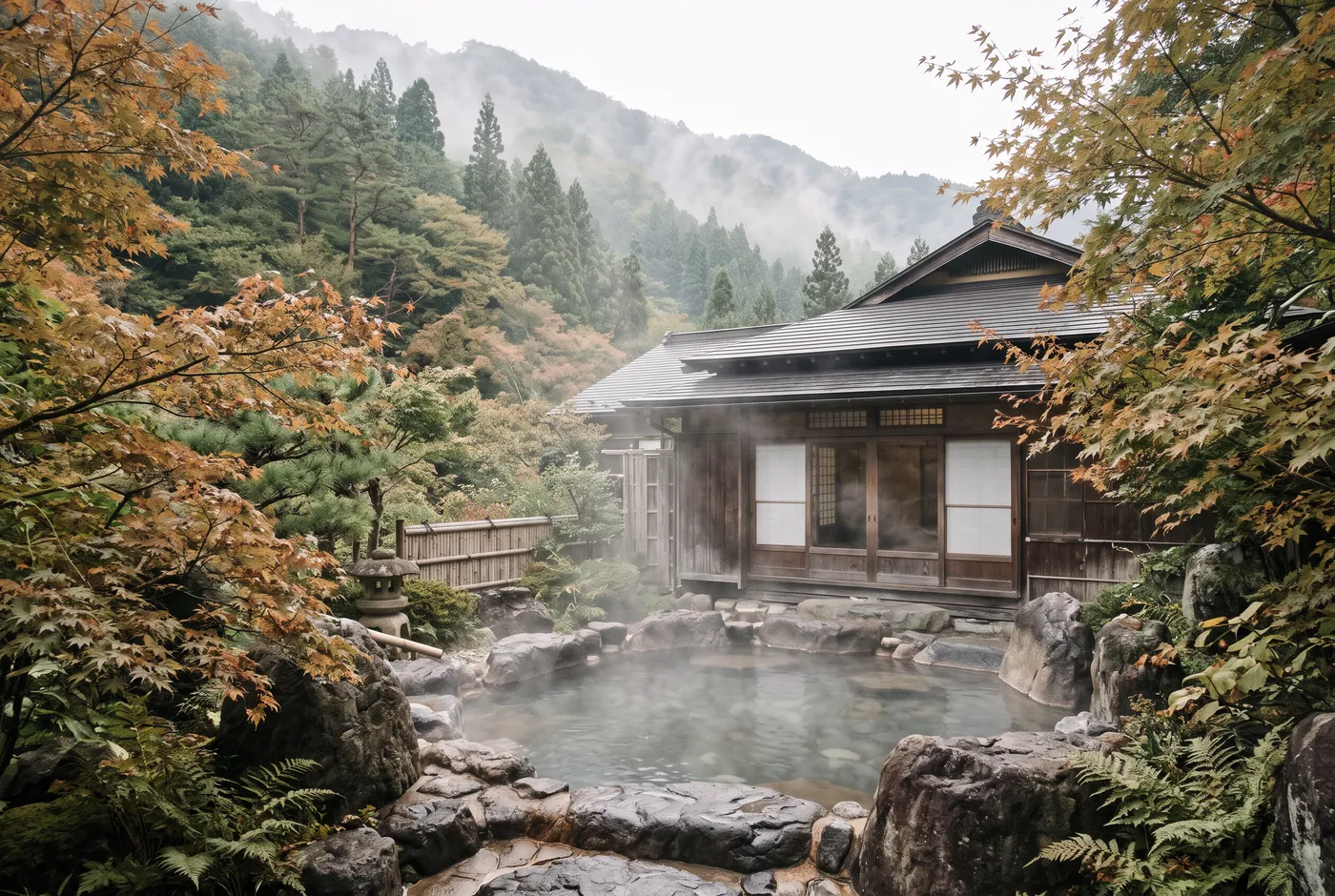
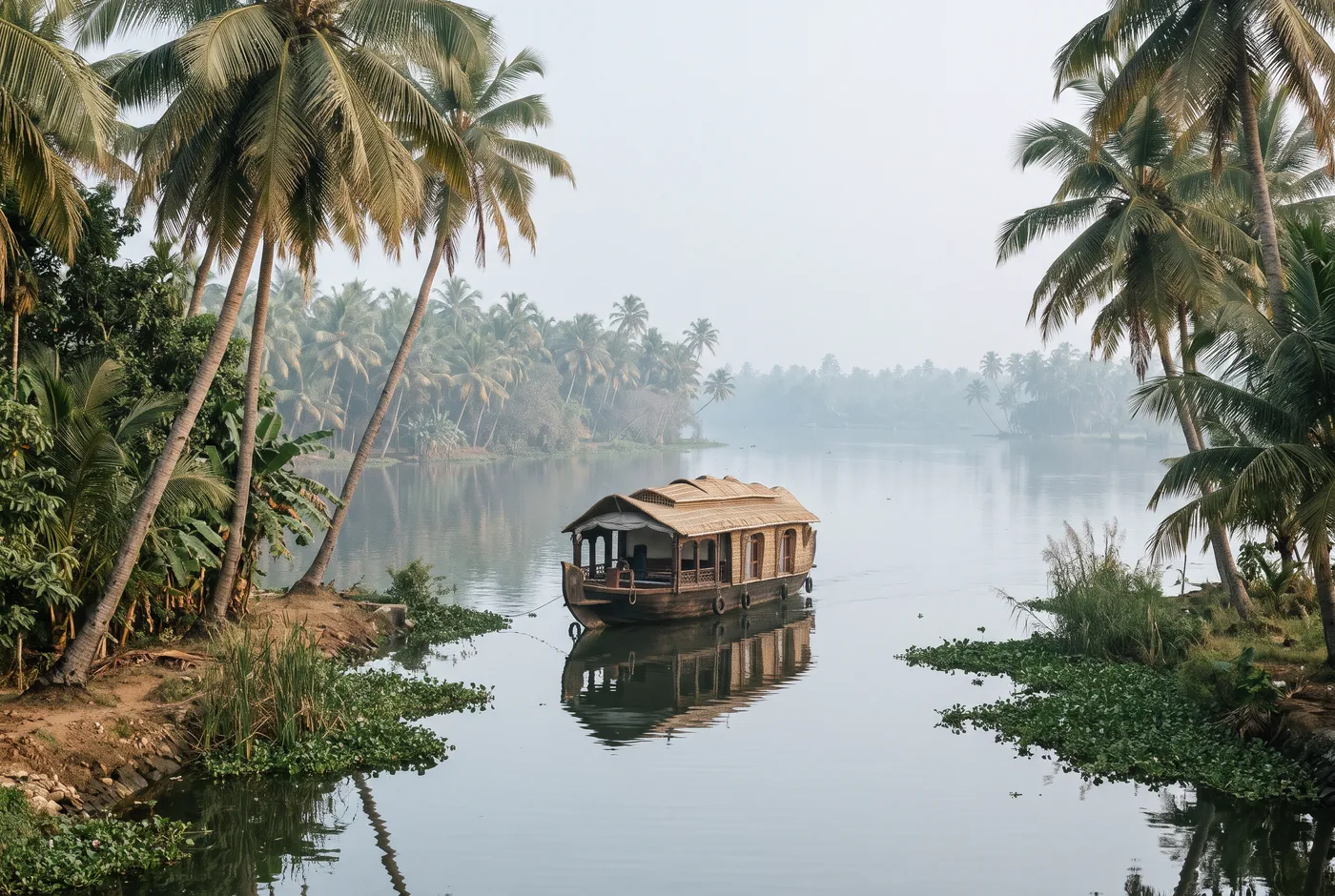
If you want to go somewhere far away, such as Kerala or Japan, the slow-travel answer is not to stop going. It is to go less often and stay longer. One trip of two to three weeks, with a retreat at its centre and unhurried days on either side, gives you more than three separate one-week trips, with a fraction of the flights and far less time spent getting over them. Long flights and big time differences need a few days to settle, which a short trip simply cannot give you.
Planning around the seasons
Seasonality is one of the most useful tools you have. Shoulder seasons, such as late spring and early autumn in the Mediterranean and the Alps, tend to bring milder weather, fewer crowds and often lower prices. Our month-by-month planner shows which destinations are in season when.
Travel light
Slow travel and heavy luggage do not mix. One bag you can carry up a station staircase makes trains, buses and changes of plan easy. For longer stays, choose somewhere with a washing machine and pack for a week, even if you are away for three.
What a slow week can look like
To make it concrete, here is one way to shape eight days around a four-night retreat in the mountains, travelling by train from central Europe. It is a sketch, not a schedule.
- Day 1: Train in the morning, arrival mid-afternoon, a walk through the village and an early night.
- Day 2: Nothing planned. Find the bakery, the bus stop and the path along the river.
- Days 3 to 6: The retreat itself, with its own rhythm of sessions, meals and quiet.
- Day 7: Leave the retreat after breakfast, move to a guesthouse nearby, walk to a lake and have a long lunch somewhere family-run.
- Day 8: Train home, arriving in time for a quiet evening rather than a late night before work.
Compared with flying in on the morning of the first session and out on the afternoon of the last, this adds three nights. In return you start the retreat settled, leave it gently, and come home with a week that felt longer than it was.
Travelling respectfully, without the lecture
Staying longer in fewer places tends to make you a better guest almost automatically. You get to know the people in the shop, you notice what matters locally, and your money stays in one community for longer. A few habits make the rest of the difference.
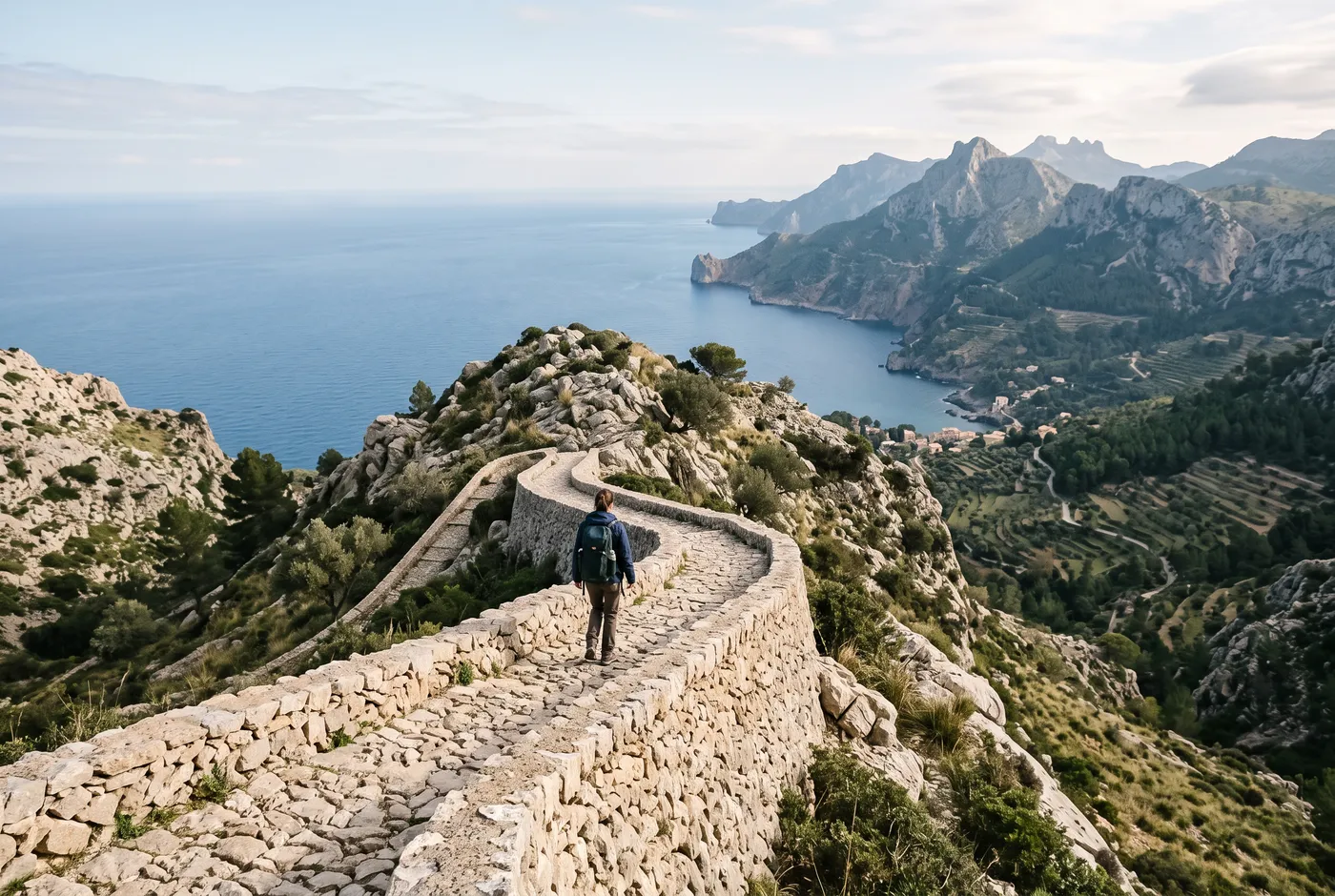
- Water. Many popular destinations, Mediterranean islands among them, can be short of water in summer. Shorter showers, reusing towels and refilling a bottle instead of buying new ones all add up.
- Crowds. Visit the famous places early in the morning or late in the day, and spend the rest of your time in the towns next door. Travelling outside the peak season helps most of all.
- Local economy. Eat in family-run places, shop at markets, book local guides and stay with hosts who live in the area. A longer stay spreads your spending across a place rather than concentrating it at one viewpoint.
- Local customs. Learn a few words of the language, dress for where you are, and ask before photographing people. Small courtesies open more doors than any guidebook.
None of this needs to be perfect. A trip that is slower, longer and a little more local than your last one is already a good trip, for you and for the place.
A simple way to start
You do not need to redesign how you travel. Take the next trip you were already planning and make three changes:
- Cut one destination.
- Add two nights to the place you are most looking forward to.
- Replace one flight or hire car with a train, bus or ferry, where that is realistic.
Then leave one day completely empty, and see what fills it.
Questions people ask
What is slow travel?
Slow travel is an approach to travel built around spending more time in fewer places. You stay longer, move less, go overland where it makes sense and let local rhythms shape your days. It works for short trips and long ones, at any budget.
How long should you stay in one place when slow travelling?
There is no fixed rule, but three nights is a sensible minimum for one base, and a week or more lets a place start to feel familiar. On a two-week trip, one or two bases are usually plenty.
Is slow travel more expensive?
Not necessarily. Longer stays sometimes come with lower nightly rates, you spend less on transfers and you tend to eat and shop more like a local. A longer trip costs more in total than a short one, but often less per day.
Does slow travel mean never flying?
No. Slow travel favours trains, buses and ferries where they are practical, but some destinations are only realistically reached by air. For long-haul trips, the slow-travel approach is usually to fly less often and stay longer when you do.
Can a retreat be part of slow travel?
Yes, and the two fit well together. Arriving a day or two early and staying on afterwards turns a retreat into the centre of a slower trip, rather than a short break squeezed between two working weeks.