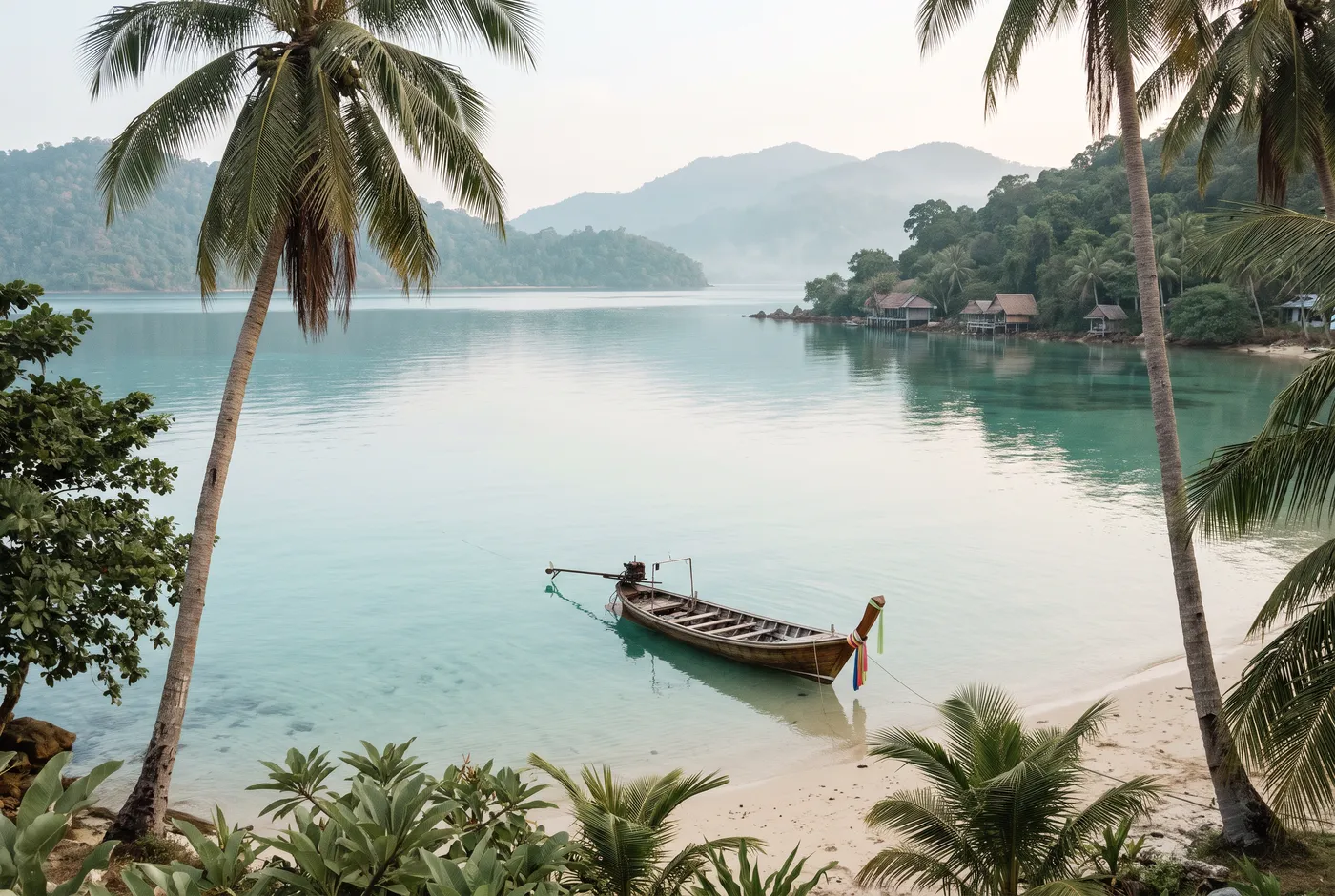
Thailand
Thailand offers everything from strict silent meditation in a forest temple to gentle yoga weeks on an island. The trick is matching the region to the season.
Best time to go
Compare all destinationsThe numbers refer to the Gulf islands such as Koh Samui and Koh Phangan, where the main rains fall roughly from October to December, heaviest in November. The north around Chiang Mai is best from November to February and the Andaman coast from about November to April; both are wettest roughly from May to October.
Where to stay
Koh Phangan and Koh Samui
Two Gulf islands with many yoga, meditation and wellness retreats, especially on the quieter west and north of Koh Phangan. Samui has the airport and more comfort; Phangan is a short ferry ride away and feels more laid-back.
Chiang Mai and the north
Temples, forested mountains and a long tradition of Buddhist meditation, with retreats in and around the city and in the hills towards Chiang Rai and Pai. Cooler in the dry season and a good base for silent retreats.
The Andaman coast
Limestone cliffs and islands around Krabi, Koh Lanta and Phuket. Better for spa and beach time than for silence, and best in the drier months from about November to April.
Why Thailand works for a retreat
Thailand has two retreat traditions side by side. One is Theravada Buddhism, with temples and meditation centres that have taught foreign students for decades. The other is a newer wellness scene of yoga shalas, spa resorts and food-focused programmes, most of it on the Gulf islands. Add Thai massage, warm hospitality and good-value accommodation, and it is easy to see why so many people come back.
It suits a wide range of people. If you want strict silence and a 4 am bell, you can find it. If you want a gentle week of yoga, fruit and sea swims, that is just as easy.
What retreats here are like
Temple and centre-based meditation retreats are simple and disciplined. Days often start around 4 or 5 am, with sitting and walking meditation, simple meals with the last one often before noon, white clothes and noble silence. Some ask for a donation rather than a fixed fee. If silence is new to you, read what a silent retreat is really like first.
Island retreats on Koh Phangan and Koh Samui are softer: morning yoga, a healthy breakfast, free afternoons and an evening class or sound session. Many also offer fasting, juice or detox programmes. Treat the claims with care: your liver and kidneys do the detoxing, and a retreat changes what you eat and how you live for a while, nothing more mysterious. Fasting and intense breathwork are not for everyone, so talk to your doctor first if you have a medical condition, take medication or are pregnant.
When to go, month by month
Thailand’s seasons depend on where you are. On the Gulf islands, January to April is the best stretch: sunny days and calm seas, getting hot by April. May to September is changeable but often pleasant, and July and August are a good window while the Andaman coast is wet. Rain builds through October and peaks in November, when rough seas can disrupt ferries. By late December it usually eases again.
In the north, November to February is ideal: dry, with cool mornings and evenings in the hills. March and April are hot, and smoke from agricultural burning often leaves the air hazy and poor. The rains run roughly from May to October. On the Andaman coast around Krabi and Phuket, the best months are about November to April. Find the right match for your dates in our when-to-go planner.
Where to stay
For yoga and island calm, the west and north of Koh Phangan are where many retreats are found; if you want quiet, avoid the days around the monthly Full Moon Party at Haad Rin. Koh Samui is more developed, with spa resorts and the airport. For meditation and temple culture, base yourself in or around Chiang Mai, where the cooler hills make long sitting sessions easier. The Andaman coast suits spa and beach time in the drier months.
Bangkok is worth a day or two to adjust to the time difference, with temples, river boats and good food, but few people retreat there.
Getting there and around
Direct flights from Frankfurt to Bangkok take roughly 11 to 12 hours; from most other airports you’ll change once. There is no climate-friendly way to fly this far, so make the trip worth it: stay two weeks or more and combine a retreat with slow overland travel. Thailand makes that easy. Overnight trains run from Bangkok to Chiang Mai, and a train-and-ferry route via Surat Thani reaches Koh Samui and Koh Phangan. Both are slower than flying but give you a real sense of the country between the city and the coast.
Domestic flights to Koh Samui and Chiang Mai take about an hour. Ferries between Samui and Phangan take roughly half an hour to an hour, depending on the boat. On the islands, many retreats arrange pick-ups from the pier, and short taxi rides or scooters cover the rest; if you have never ridden a scooter, the island roads are not the place to learn.
Costs and travelling mindfully
As a rough guide in 2026, island yoga and wellness retreats typically cost around €600 to €2,000 per person per week, including accommodation and most meals. Temple meditation retreats can cost far less and are sometimes donation-based, though you should give fairly. Return flights from Central Europe often add roughly €600 to €1,100.
Respect goes a long way here. Dress modestly away from the beach, stay calm and polite, and never joke about the Buddha or the royal family; insulting the monarchy is a criminal offence. On the islands, water and waste systems are under pressure in high season, so refill bottles, avoid single-use plastic and choose reef-safe sun cream. Book with places that treat their staff fairly.
Thinking about other long-haul options? Compare Bali or Japan, see all destinations, or ask us for suggestions.
Questions people ask
When is the best time for a retreat in Thailand?
It depends on the region. The Gulf islands such as Koh Phangan and Koh Samui are best from January to April, with the heaviest rain in November. The north around Chiang Mai is best from November to February, and the Andaman coast from about November to April.
Can I do a silent meditation retreat in Thailand as a beginner?
Yes. Some temples and meditation centres accept beginners and teach in English, with courses from a few days to several weeks. Expect early mornings, simple food, white clothes and silence. If you have a mental-health condition, talk to your doctor and to the teachers before you commit.
Is Koh Phangan good for a yoga retreat?
Yes. The west and north of the island are known for yoga, meditation and wellness retreats, and the pace is relaxed away from Haad Rin. Avoid the days around the monthly Full Moon Party if you want quiet, and remember that November is usually the wettest month.
How much does a wellness retreat in Thailand cost?
As a rough guide in 2026, island retreats typically cost around €600 to €2,000 per person per week including most meals. Temple meditation retreats can be much cheaper and are sometimes donation-based. Return flights from Central Europe often add roughly €600 to €1,100.
Are detox retreats in Thailand safe?
Some are well run, others overpromise. No retreat flushes toxins out of your body; your liver and kidneys do that, and a retreat can only change your inputs and habits for a while. Fasting and colon cleansing carry real risks, so talk to your doctor first and avoid places that discourage medical advice.
Retreat types that suit Thailand
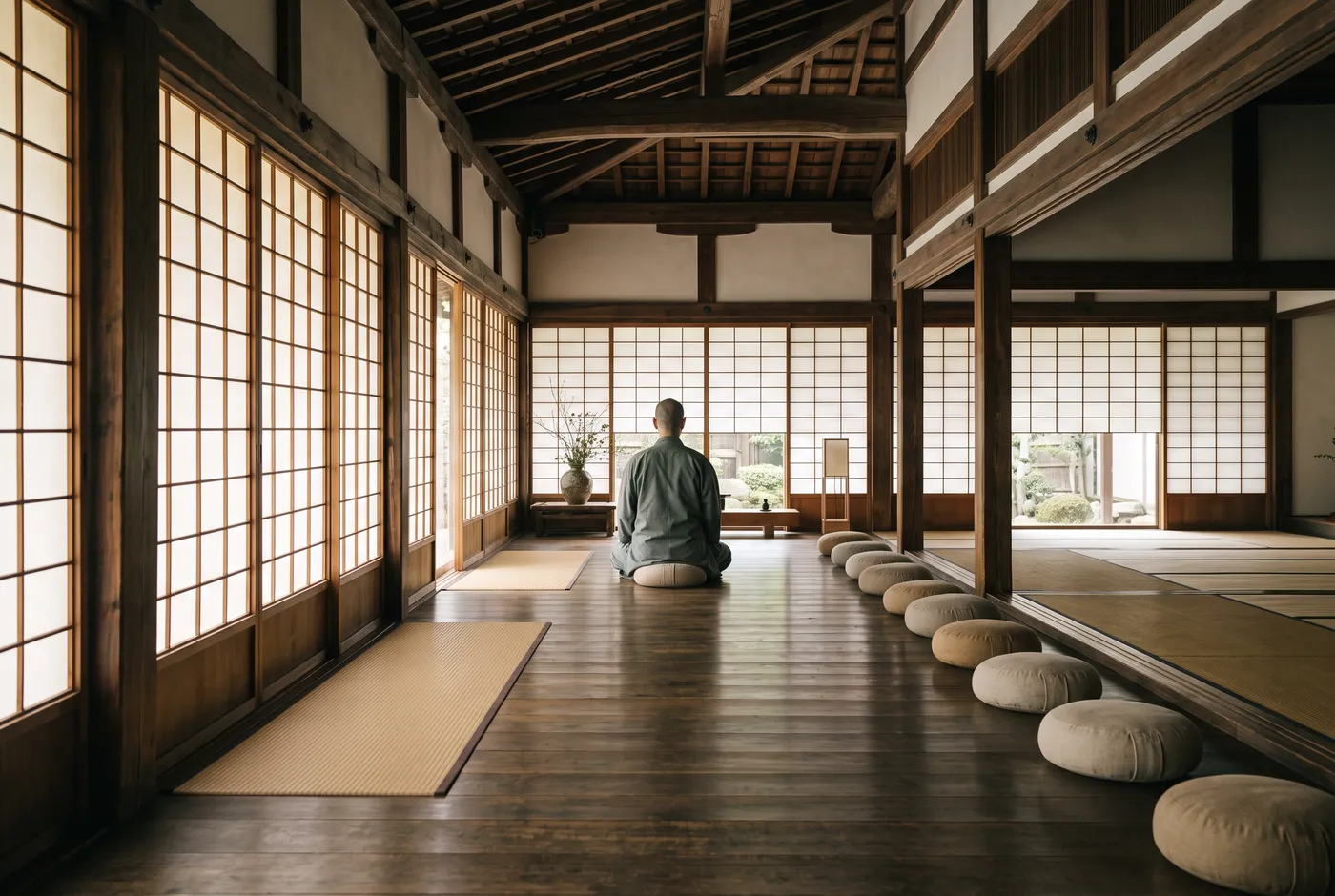

Meditation and silent retreats
Days of sitting, walking and keeping quiet. What silent retreats ask of you, and how to pick a good one.
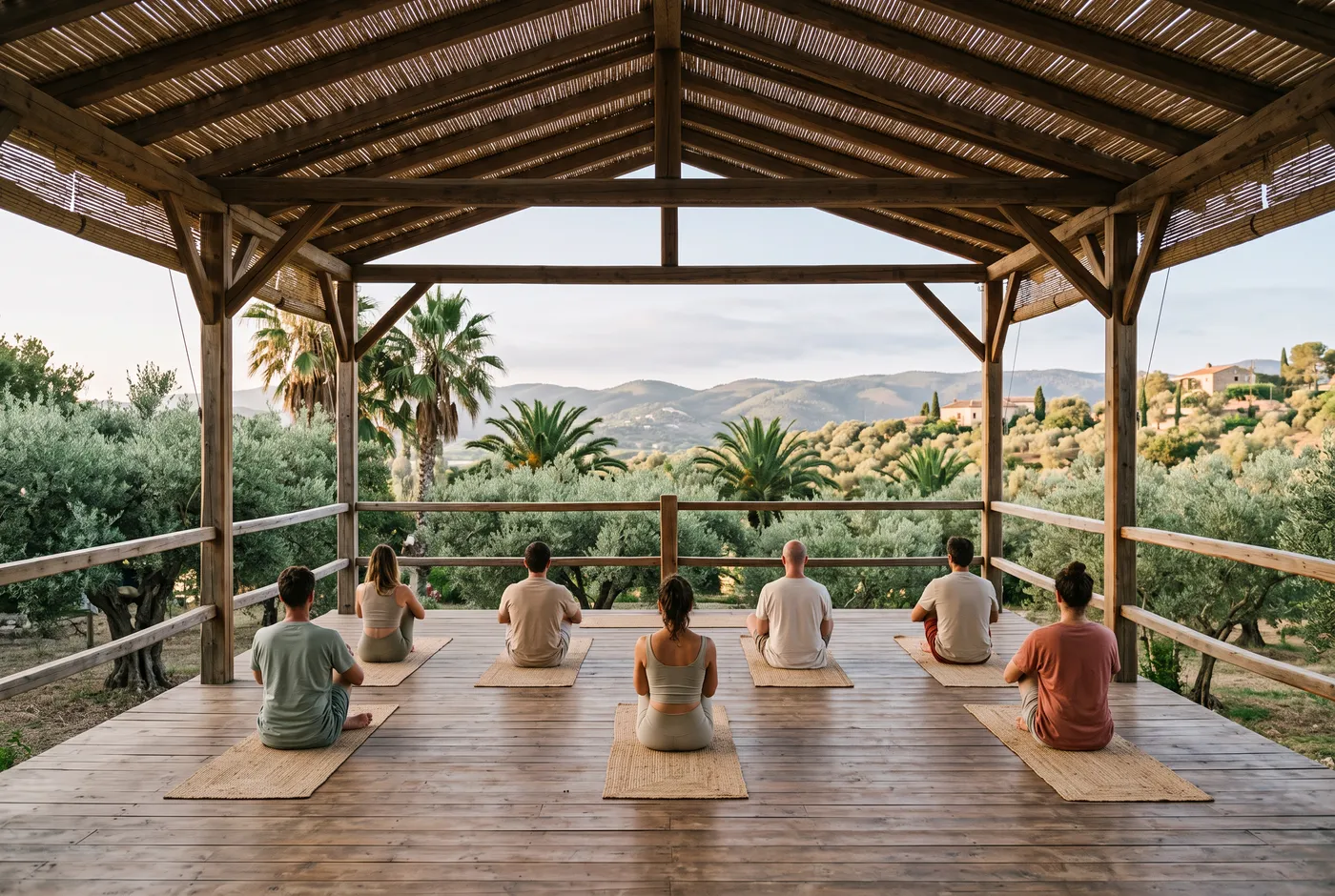
Yoga retreats
Daily classes, long quiet middays and good food. How to choose a yoga retreat that fits your level.
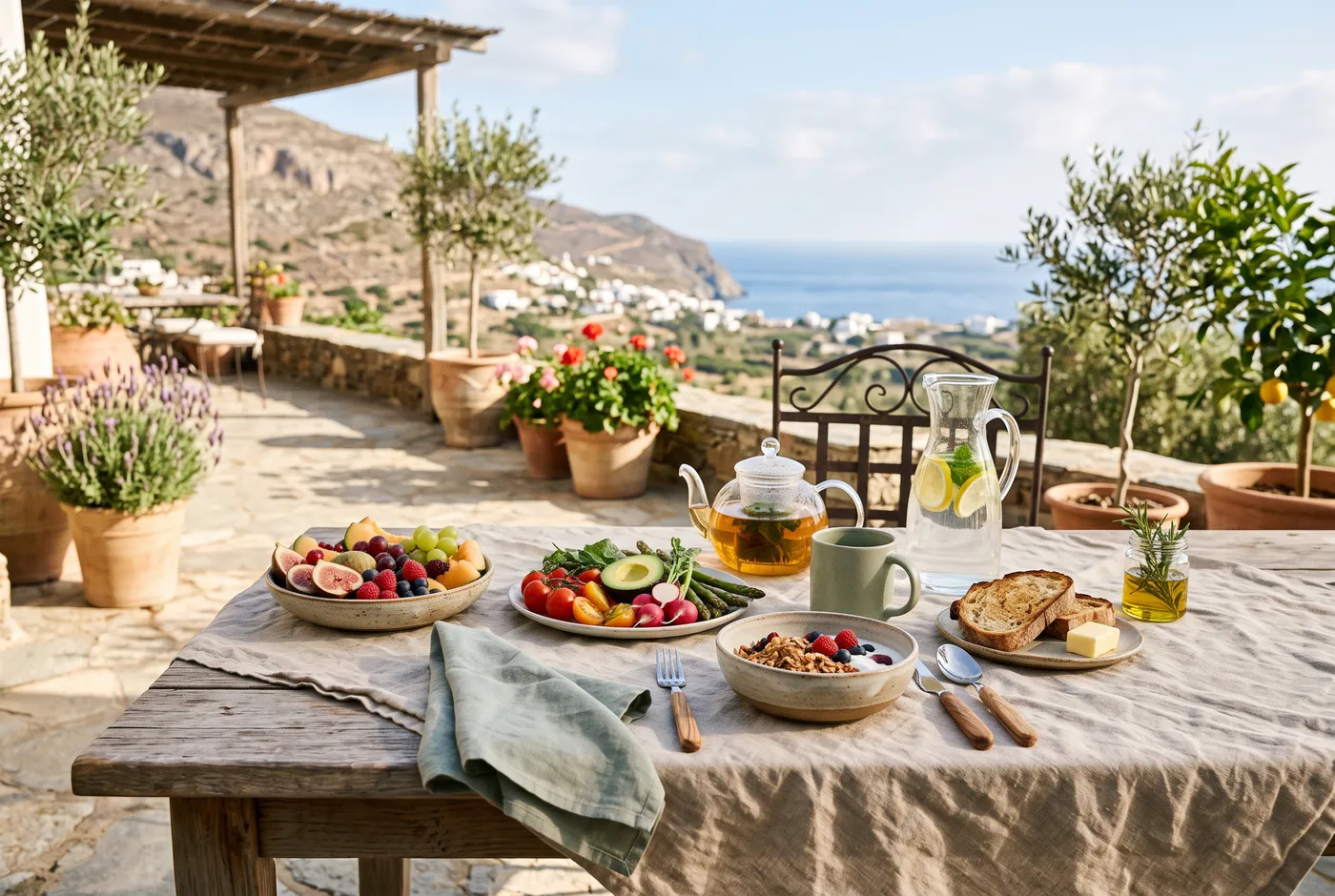
Detox and nutrition retreats
Simple food, no alcohol, more sleep and daily movement. What detox retreats really offer, and what they cannot.
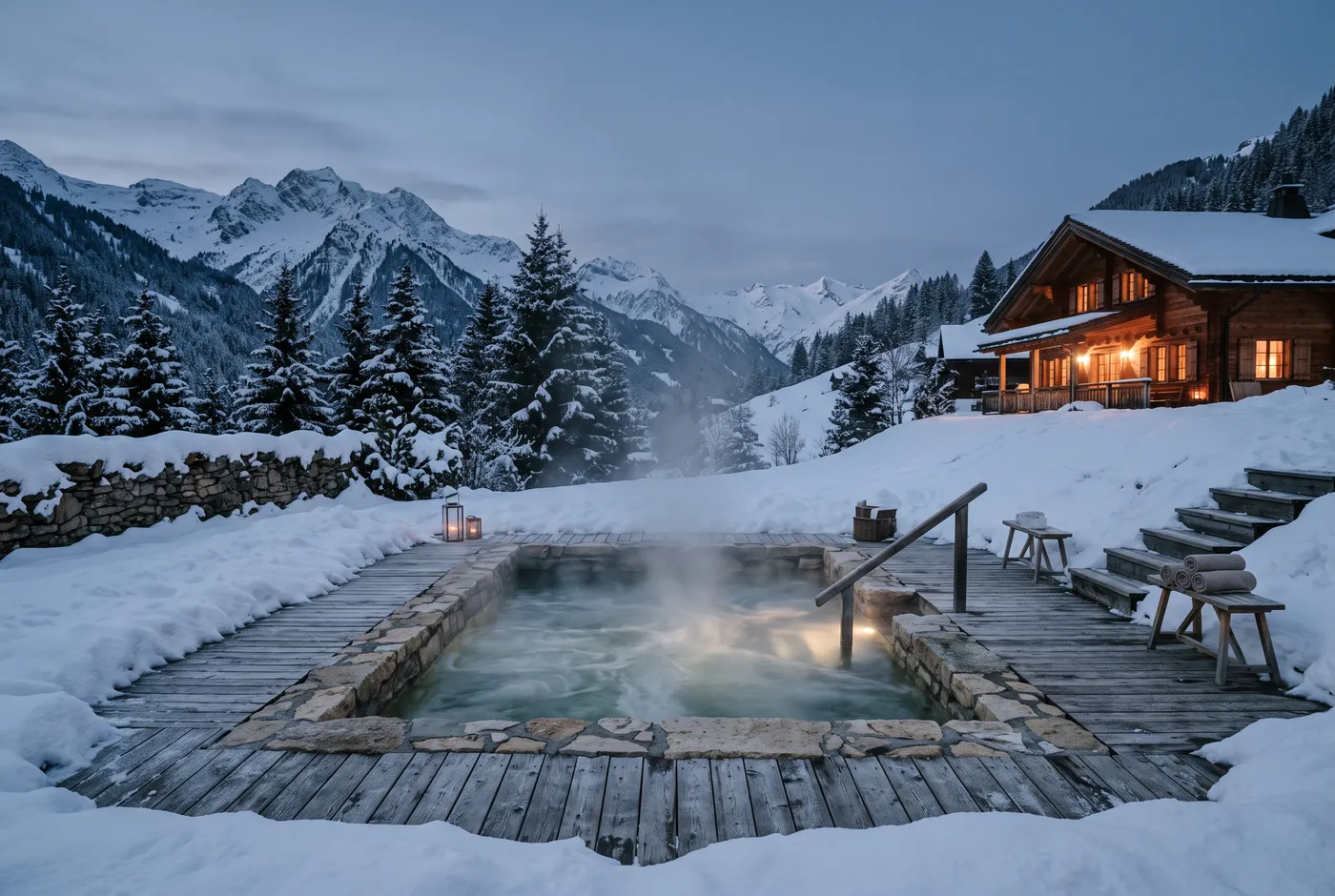
Spa and thermal retreats
Thermal springs, sauna rituals and onsen. The gentlest retreat type, and how to make the most of it.
From the journal
What actually happens at a silent retreat
The silence is the easy part. A realistic look at the schedule, the hard first days and the rules.
How to spot a good retreat (and the red flags)
Qualifications, health screening, refunds and safety: what good looks like and when to walk away.
What a wellness retreat really costs, and what isn’t included
Rough price bands for 2026, the extras nobody mentions and how to save without cutting corners.
Tell us how you want to feel.
Send us your wishes in a few clicks. We read every message and reply personally with retreat types, places and good questions to ask hosts.
Plan your retreat