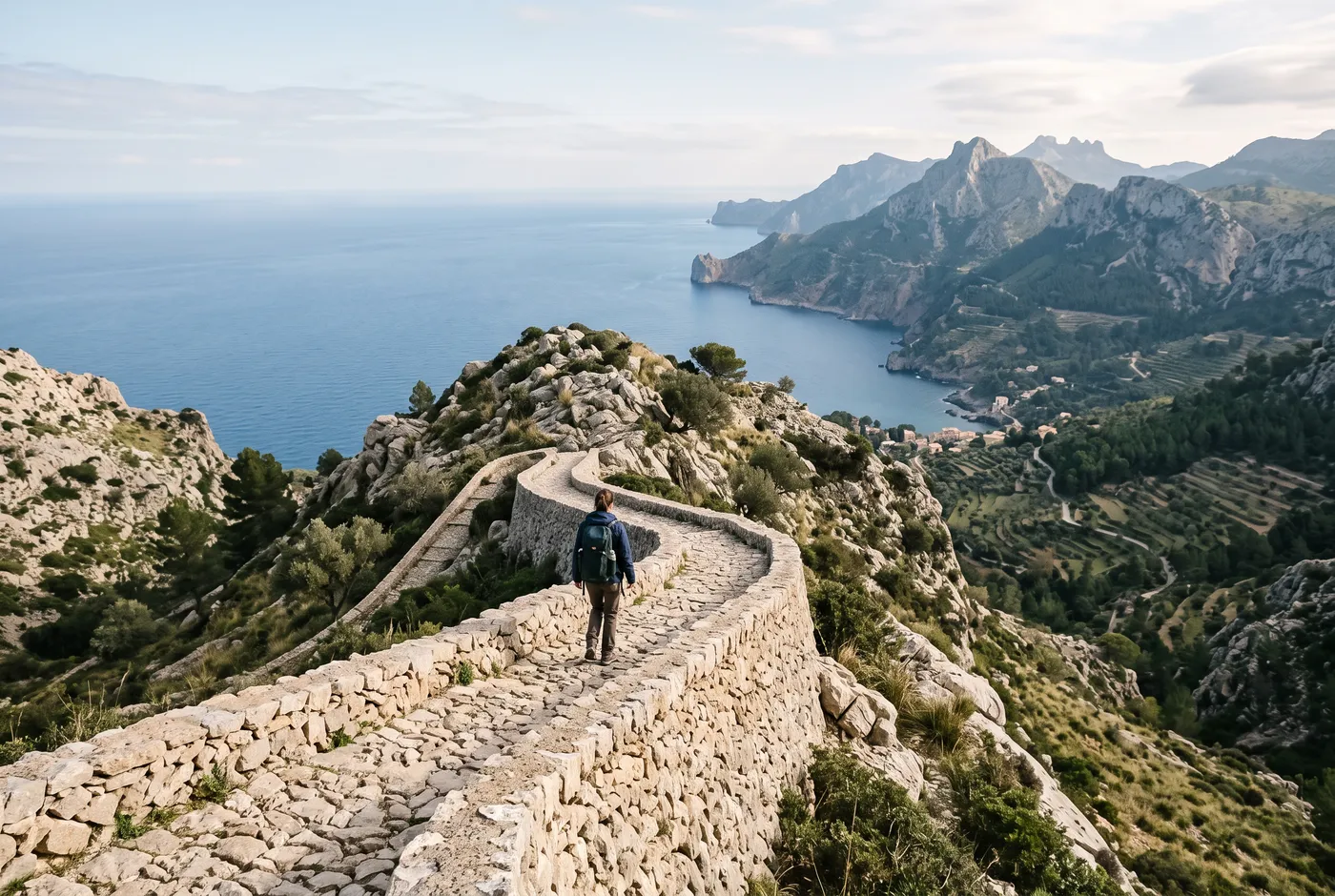
Hiking and active retreats
Some people rest best when their legs are tired. A hiking retreat combines long days on foot with stretching, good food and deep sleep. Here is how to find one that matches your fitness honestly.
Good for
- People who switch off best when moving
- Regular walkers who want guidance and company
- Friends with different fitness levels, on graded groups
- Anyone who sleeps badly on lazy holidays
Maybe not for
- People with knee, hip or heart problems, unless their doctor agrees
- Anyone who wants long, lazy afternoons
A typical day
- Mobility work or a gentle yoga class
- Breakfast and a briefing on route and weather
- Guided hike of four to six hours, with a picnic lunch
- Back at base: swim, sauna or a nap
- Stretching or restorative yoga
- Dinner and an early night
What a hiking retreat is
A hiking retreat, or active retreat, is a week built around daily guided walks, usually combined with yoga or stretching, good food and a comfortable base. Unlike a pure walking holiday, the evenings are slow and the programme leaves room for rest. Most stay in one place and use day hikes; some move between villages or mountain huts while your luggage is transported.
It suits people who find stillness hard. After five hours on a mountain path, sitting quietly on a terrace is no effort at all. If you want time outdoors with far less exertion, a nature retreat is the gentler cousin; if you want more mat than trail, choose a yoga retreat with optional walks. The overview of retreat types compares them all.
How fit you need to be
Be honest here, because it decides whether you enjoy the week. Ask for each day’s distance, ascent and descent in metres, terrain and hours on foot. A moderate day might be 12 to 15 km with 500 to 800 m of ascent on good paths; a demanding one, 18 km or more with over 1,000 m, rocky ground and exposed sections. Long descents are often harder on the knees than the climbs.
Then check yourself against it. Can you walk for five hours with breaks, several days in a row, carrying a small rucksack? If not yet, start training six to eight weeks before: weekly long walks that build towards the retreat’s longest day, ideally with hills and in the boots you will wear. Good organisers grade their walks, and some split the group by pace so nobody has to rush or wait.
What a typical week looks like
Days start with mobility or a short yoga class, then breakfast and a briefing on the route and weather. The hike takes most of the day, with a picnic or a stop at a mountain hut. Afternoons bring a swim, a sauna or a nap, then a slow stretch or restorative yoga before dinner. Most programmes include an easier day or a rest day in the middle, which matters more than it sounds. Expect heavy legs on day two and a steadier rhythm by day four; the rest day usually arrives just in time.
Self-guided versions give you route notes, a GPS track and luggage transfers, but no guide and no group. They suit experienced walkers who navigate confidently. For a first hiking retreat, or anywhere in the mountains, a guide is worth the extra cost: they read the weather, adjust the route to the group and know where the water and the shade are.
On Mallorca, the GR221, also called the Dry Stone Route, crosses the Serra de Tramuntana past stone terraces, olive groves and old mule tracks, and is best walked from roughly February to May or in October and November. In the Alps, the season for higher routes runs from roughly late June to September. The clifftop paths of south-west Portugal and the volcanic hills of Costa Rica, best in the dry season from roughly December to April, offer very different terrain. In warm places, start early and finish before the midday heat.
How to choose a good one
- Qualified guides: for walking terrain, a certified mountain leader or hiking guide with first-aid training; for glaciers, via ferratas or climbing, a fully certified mountain guide.
- Sensible ratios: roughly one guide for every eight to twelve walkers, with a second guide on harder days.
- Published grades with distance, ascent and hours for each day.
- A weather plan, and a willingness to shorten, change or cancel a route.
- Luggage transfers on point-to-point routes, so you carry only a day pack.
In several Alpine countries, guiding in the mountains is a regulated profession, and certified mountain guides train for years. A yoga teacher who “also leads walks” is not the same thing. Ask who leads each hike and what their qualification covers.
Practicalities, safety and cost
Bring broken-in walking boots or trail shoes, enough good walking socks to change daily, a day pack of 20 to 30 litres, waterproof layers, sun protection and a refillable bottle; trekking poles help on long descents. Our packing list builds a checklist for your season. Talk to your doctor before booking if you have a heart, blood-pressure or joint condition, and tell the organiser about any medication or allergies. Altitude, heat and long descents all add strain.
As a rough guide in 2026, a guided hiking and yoga week in Europe typically costs roughly €900 to €2,200 per person with half board, depending on comfort and group size. Self-guided routes with luggage transfers can cost less. For help matching routes to your fitness, send us your wishes.
Questions people ask
How fit do I need to be for a hiking retreat?
Fit enough to walk the longest day on the programme, several days in a row. Ask for distances, ascent in metres and hours on foot, and train with long walks for six to eight weeks if needed. Good organisers grade their walks and are honest about them.
Can I combine hiking and yoga on one retreat?
Yes, and many retreats do exactly that: short yoga or mobility in the morning, a guided hike, then a slow stretch before dinner. The yoga is usually gentle and supports the walking rather than competing with it.
What is the GR221 on Mallorca?
The GR221, also called the Dry Stone Route, is a long-distance trail through the Serra de Tramuntana mountains in the north-west of Mallorca. It follows old paths past stone terraces and olive groves and is usually walked in stages. Spring and autumn are the best seasons; summer is too hot for most walkers.
What should I wear on a hiking retreat?
Broken-in boots or trail shoes with good grip, layers you can add and remove, a waterproof jacket and sun protection. Avoid cotton next to the skin on long days. New boots and blisters tend to go together, so wear yours in first.
How much does a hiking retreat cost?
As a rough guide in 2026, a guided hiking and yoga week in Europe typically costs roughly €900 to €2,200 per person with half board. Self-guided routes with luggage transfers usually cost less, while small groups and comfortable hotels cost more. Flights and travel insurance come on top.
Places that suit hiking retreats
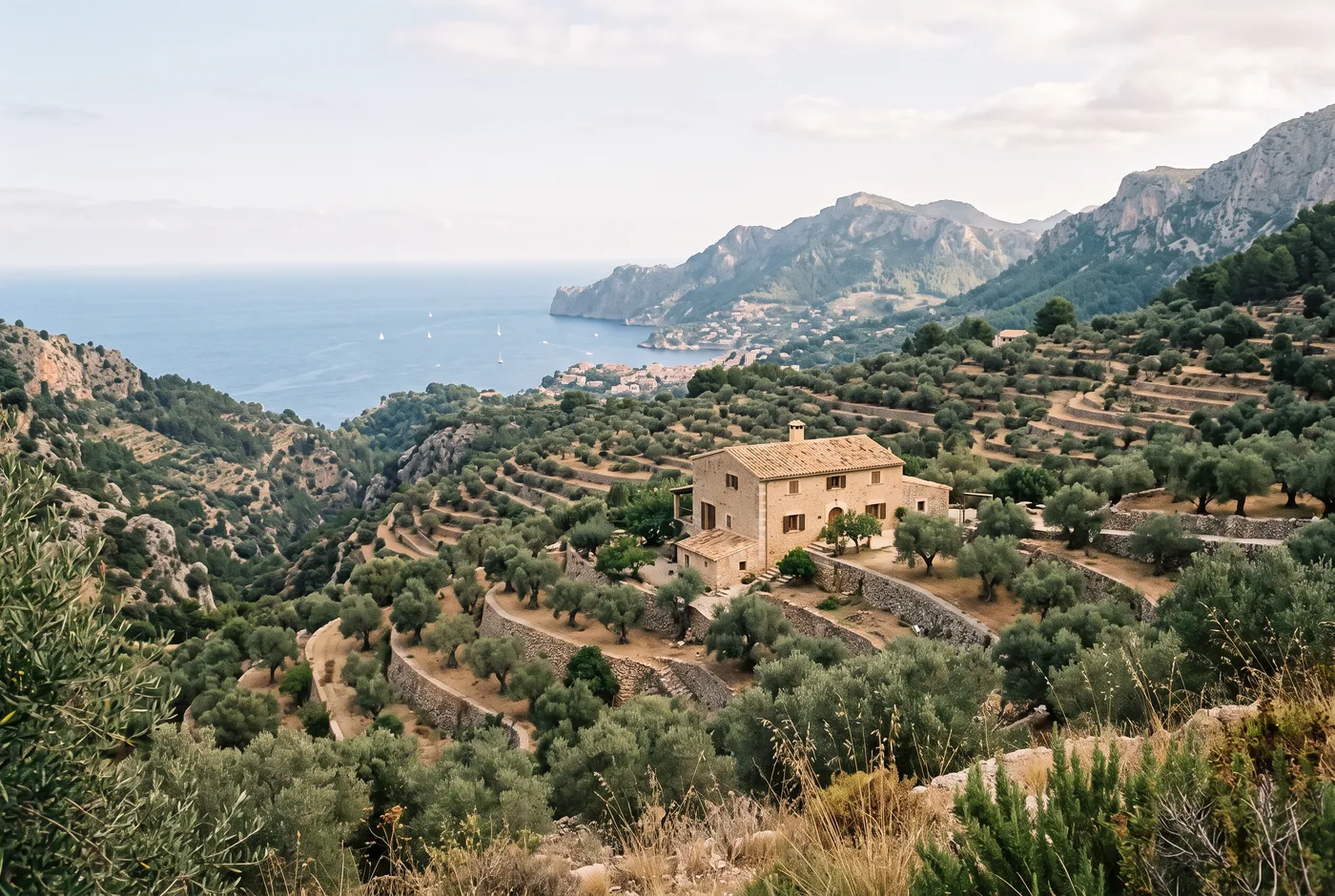

Mallorca
Mountain villages, olive terraces and spring walks, a short flight from home.
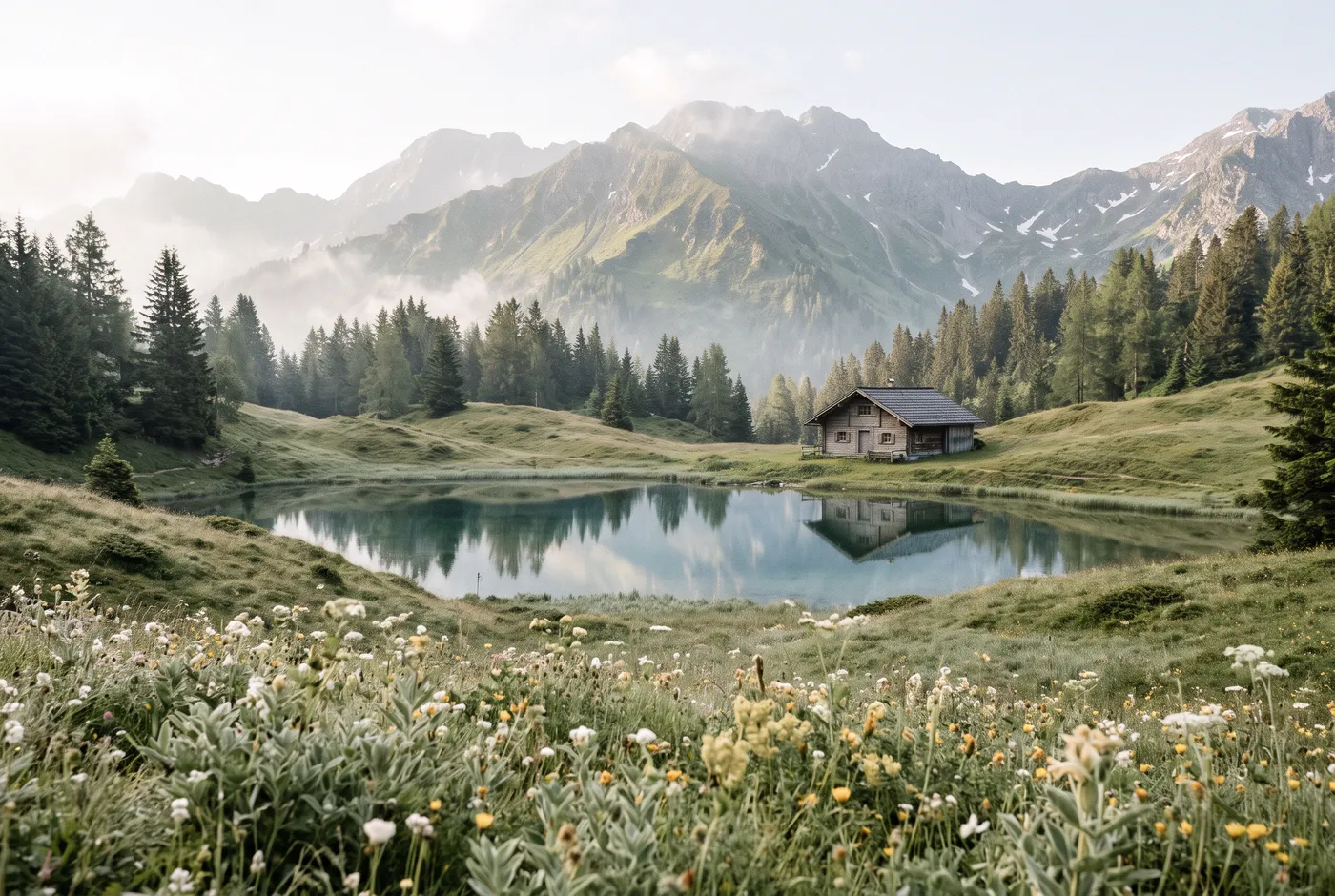
The Alps
Sauna culture, meadow walks and snowy silence, often just a train ride from home.
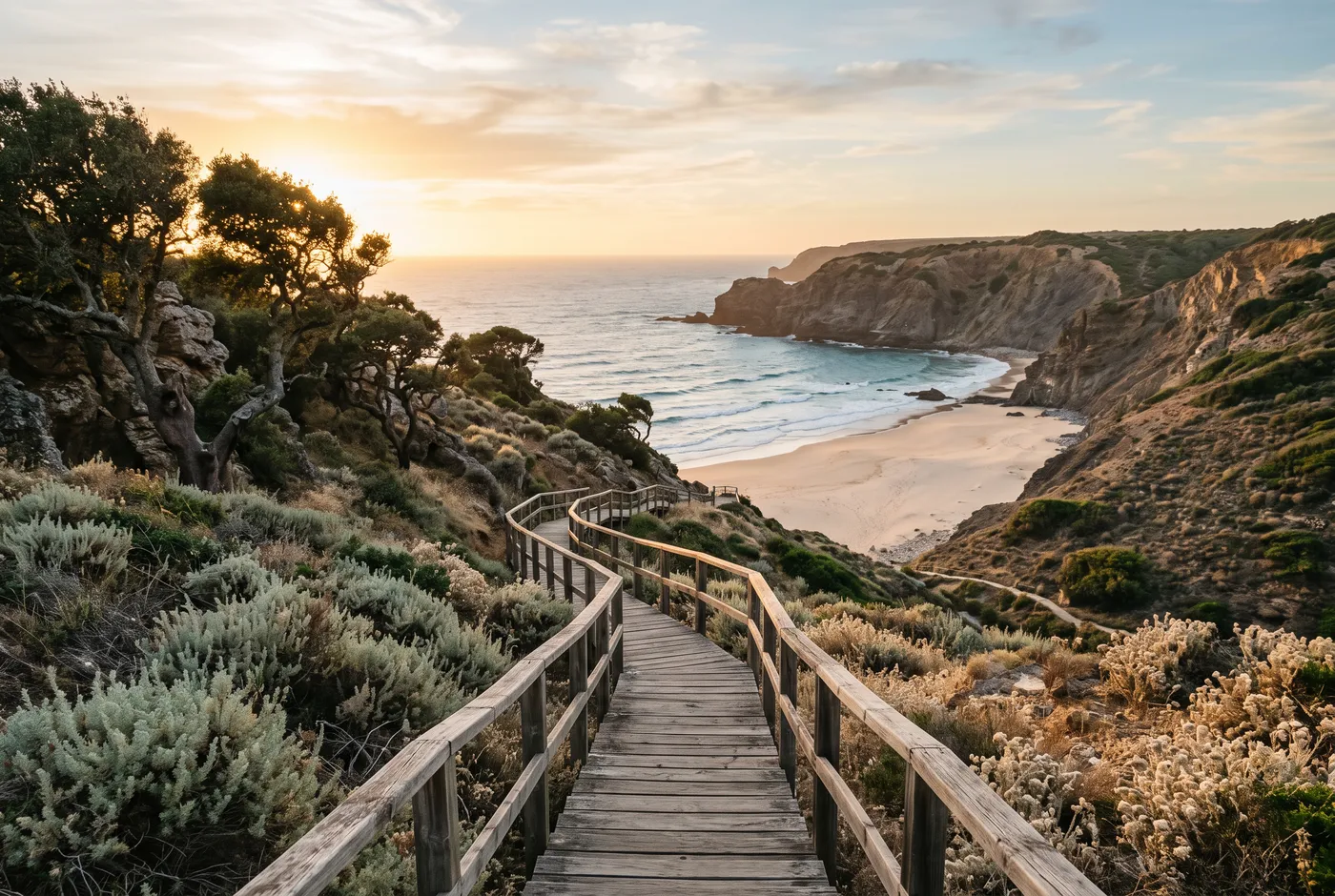
Portugal
Atlantic cliffs, cork-oak plains and surf-and-yoga mornings at an unhurried pace.
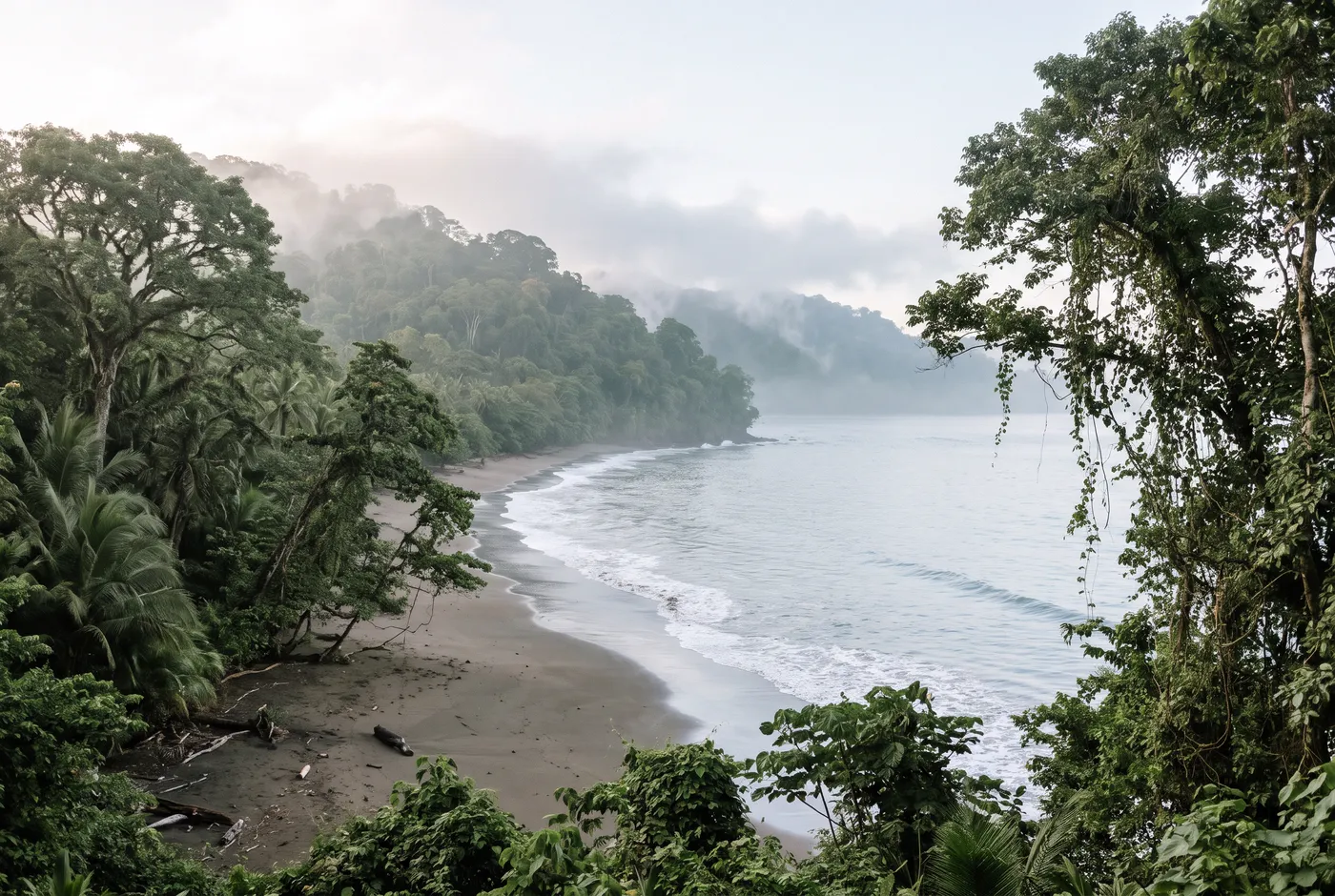
Costa Rica
Howler monkeys at dawn, yoga above the Pacific and rainforest walks. A long trip, so stay longer.
From the journal
How to choose a wellness retreat that actually suits you
Start with what you need, then choose type, length, place and host. A calm, practical decision guide.
What a wellness retreat really costs, and what isn’t included
Rough price bands for 2026, the extras nobody mentions and how to save without cutting corners.
Something else in mind?
Tell us how you want to feel.
Send us your wishes in a few clicks. We read every message and reply personally with retreat types, places and good questions to ask hosts.
Plan your retreat