Bali
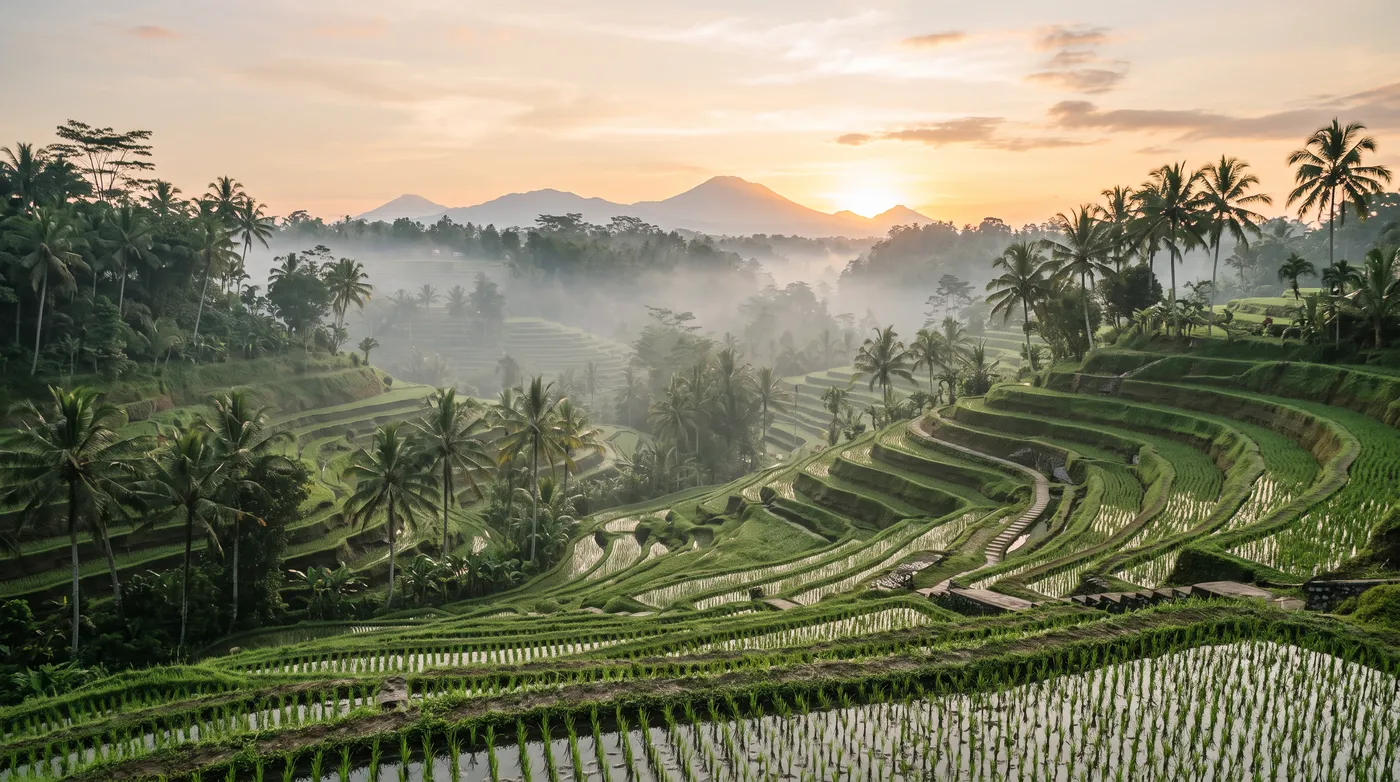
Bali’s retreat culture has a rhythm of its own: dawn yoga, offerings on the doorstep, rain on the rice fields. It is a long way to go, so go slowly and stay a while.
Best time to go
Compare all destinationsThe dry season from April to October is the best time for a retreat across the island, with July and August the busiest months. From November to March the wet season brings heavy, mostly afternoon downpours, peaking from December to February; retreats keep running and the hills around Ubud are at their greenest.
Where to stay
Ubud and the central hills
The island’s retreat centre, surrounded by rice terraces, river valleys and temples. Expect yoga studios, vegetarian cafés and a wide choice of retreats, but also busy streets in the town itself.
Sidemen and East Bali
Quiet valleys below Mount Agung with rice fields, weaving villages and few hotels. Good for a slower, more rural stay, and easy to combine with the coast around Amed.
Munduk and the northern highlands
Cool, misty hills near the crater lakes of Bedugul, with waterfalls and clove and coffee gardens. Good for walking and for a break from the heat.
Uluwatu and the south
Cliffs and surf beaches on the Bukit peninsula, close to the airport. Good for yoga-and-surf weeks, though the south as a whole, including Canggu, is busy and built-up.
Why Bali works for a retreat
Few places have woven yoga, meditation and wellbeing so deeply into everyday travel. In Ubud you can join a morning class, eat a vegetarian lunch and book a massage without planning any of it. But the real draw is older than the wellness scene. Balinese Hinduism shapes the day: small offerings of flowers and rice appear on doorsteps every morning, temple ceremonies fill the streets, and gamelan music drifts across the rice fields in the evening.
That daily ritual is part of why many people find it easy to slow down here. You are a guest in a living culture, not in a resort, and the island has its own sense of time.
What retreats here are like
Retreats in Bali range from simple open-sided shalas in the rice fields to polished resorts with large spas. A typical yoga retreat starts around 7 am with a long class, followed by breakfast, free time for a massage or a walk, and a slower session at sunset. Many include a visit to a water temple, a cooking class or a walk through the terraces. Meditation, breathwork and food-focused retreats are common too.
Quality varies widely. Look for clear schedules, experienced teachers and honest descriptions, and be wary of anything that promises to cleanse, heal or “reset” you. Intense breathwork, fasting and long hot treatments are not for everyone; talk to your doctor first if you are pregnant or have a heart, blood-pressure or mental-health condition. Our red-flags guide helps you tell the good from the merely glossy.
When to go, month by month
The dry season runs roughly from April to October. April and May are fresh and green after the rains, with fewer visitors. June to August is dry and sunny, with cooler nights in the hills, but July and August are the busiest months, when European summer holidays meet domestic travel. September and October are excellent: still dry, a little quieter and warm.
November marks the change. From December to February heavy rain falls on most days, usually as afternoon or evening downpours, and the air is humid. Retreats keep running, prices are often lower and the landscape is at its greenest, but beach days and long walks are less reliable, and Christmas and New Year are busy. March is a transition month, and it is usually when the island observes Nyepi, a day of silence when almost everything, including the airport, closes for 24 hours. The date changes each year, so check it before you book. Compare the seasons with other places in our when-to-go planner.
Where to stay
Ubud is the obvious base, with the widest choice of retreats, but the town centre is busy and traffic is heavy. Many of the most peaceful places are in the villages and valleys around it. For real quiet, look at Sidemen in East Bali, or the cool highlands around Munduk. If you want sea and surf, the cliffs around Uluwatu are better suited to a retreat than the crowded beaches of Canggu or Kuta.
On a longer trip, two bases work well: a week of retreat inland, then a few unplanned days by the sea before the flight home.
Getting there and around
There is no low-carbon way to reach Bali from Europe. Flights usually involve one change in the Gulf or South-East Asia and take roughly 16 to 20 hours in total. If you go, make it count: stay at least two weeks, travel less often, and skip short side trips by plane. Give yourself a quiet day or two at the start to adjust to the time difference before the retreat programme begins.
On the island there is little public transport. Most retreats arrange airport pick-ups, and private drivers are the usual way to get around. Allow time: the drive from the airport to Ubud often takes 1.5 to 2 hours, and the south can be gridlocked in the late afternoon. Entry rules and visitor fees change from time to time, so check the current requirements before you fly.
Costs and travelling mindfully
As a rough guide in 2026, a week-long retreat in Bali typically costs around €700 to €2,000 per person on the ground, including accommodation and most meals, with luxury resorts well above that. Return flights from Central Europe often add roughly €700 to €1,300. Read more in our guide to what a retreat costs.
Tourism puts real pressure on the island’s water, roads and waste systems, especially in the south. Choose places that are locally owned or employ local staff fairly, refill water bottles instead of buying plastic, and keep showers short. At temples, cover your shoulders and knees, try not to step on offerings on the ground, and never climb on shrines for photos. Ceremonies have right of way, on foot and on the road.
Weighing up long-haul options? Compare Thailand and Kerala, see all destinations, or tell us what you need and we’ll help you choose.
Questions people ask
When is the best time for a yoga retreat in Bali?
The dry season from April to October is the best time, with April to June and September to October quieter than July and August. Retreats also run in the wet season from November to March, when heavy afternoon rain is common but prices are often lower.
Is Bali worth it in the rainy season?
It can be, if you are mainly there to rest and practise. Rain usually falls in heavy bursts in the afternoon or evening, mornings are often clear, and the rice terraces are at their greenest. Beach days and long hikes are less reliable, especially from December to February.
Ubud or the coast: where should I stay for a retreat?
Ubud and the villages around it have the widest choice of yoga and meditation retreats and a cooler, greener setting. The coast suits yoga-and-surf weeks, and Uluwatu is calmer than Canggu. Many people combine a retreat inland with a few days by the sea.
How much does a retreat in Bali cost?
As a rough guide in 2026, a week typically costs around €700 to €2,000 per person on the ground, with luxury resorts well above that. Return flights from Central Europe often add roughly €700 to €1,300. Longer stays usually give better value.
What is Nyepi and how does it affect my retreat?
Nyepi is the Balinese day of silence, usually in March. For 24 hours the airport closes, the roads are empty and visitors are asked to stay inside their accommodation and keep lights low. Many retreats mark it with meditation, but check the date before you book flights.
Retreat types that suit Bali
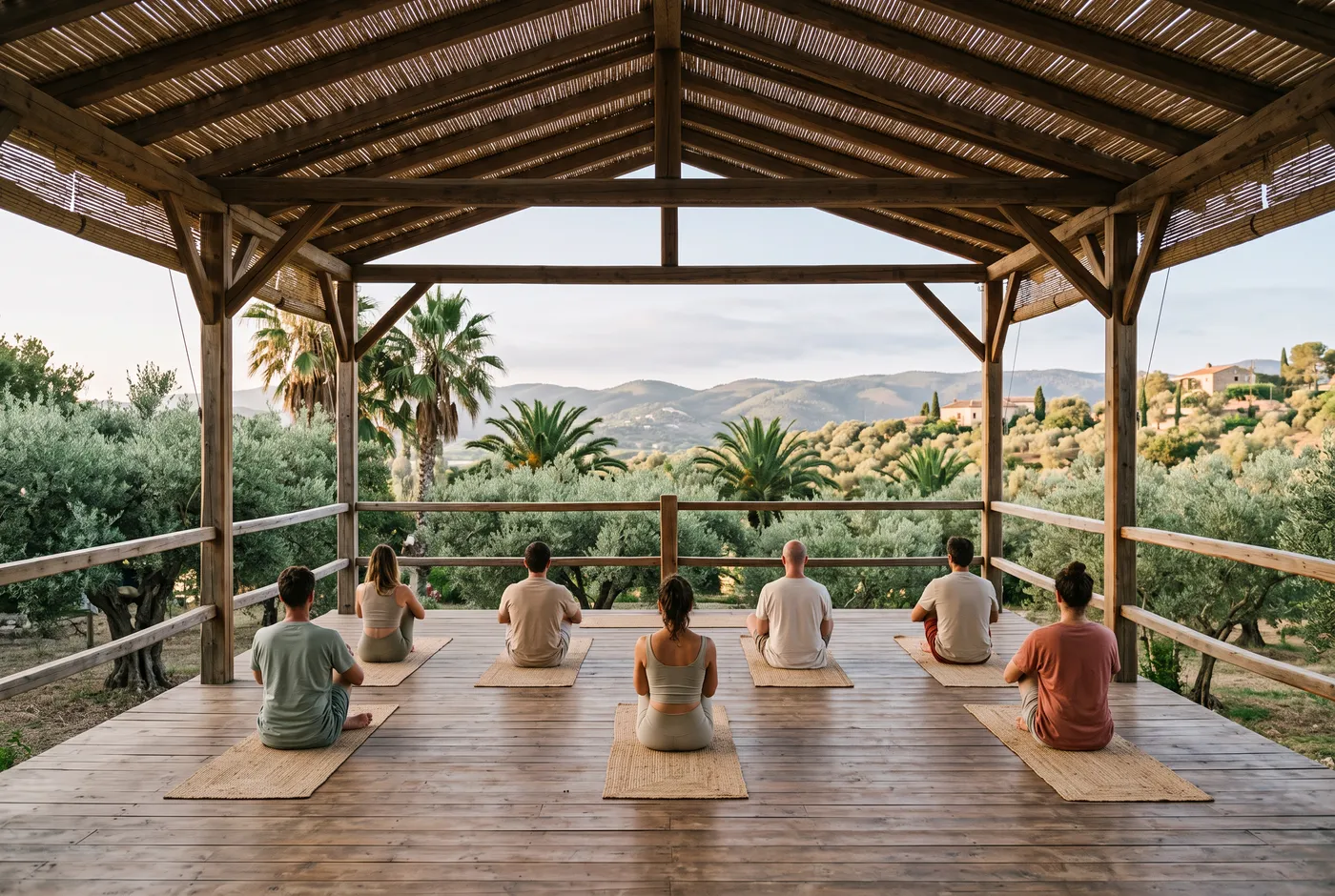

Yoga retreats
Daily classes, long quiet middays and good food. How to choose a yoga retreat that fits your level.
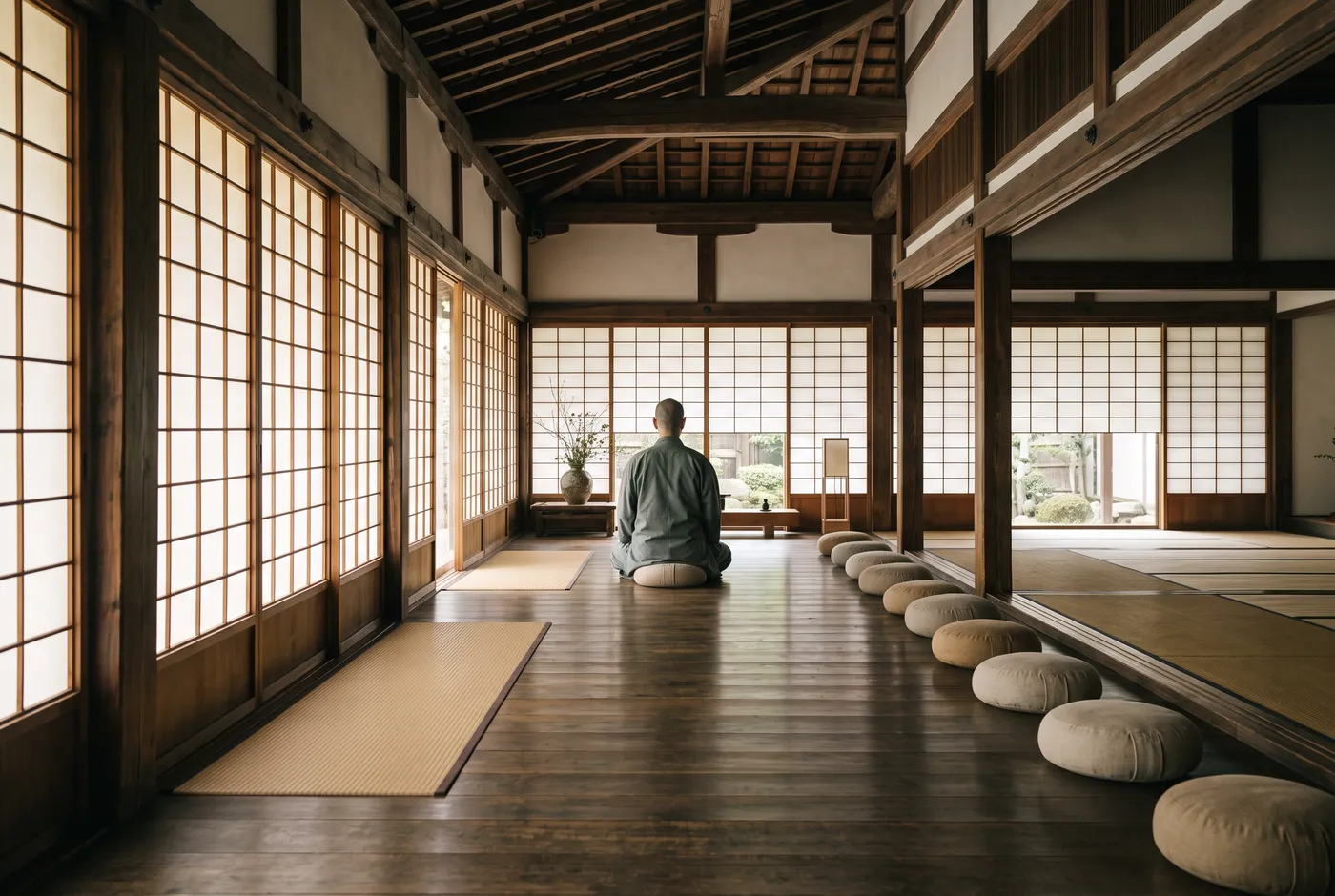
Meditation and silent retreats
Days of sitting, walking and keeping quiet. What silent retreats ask of you, and how to pick a good one.
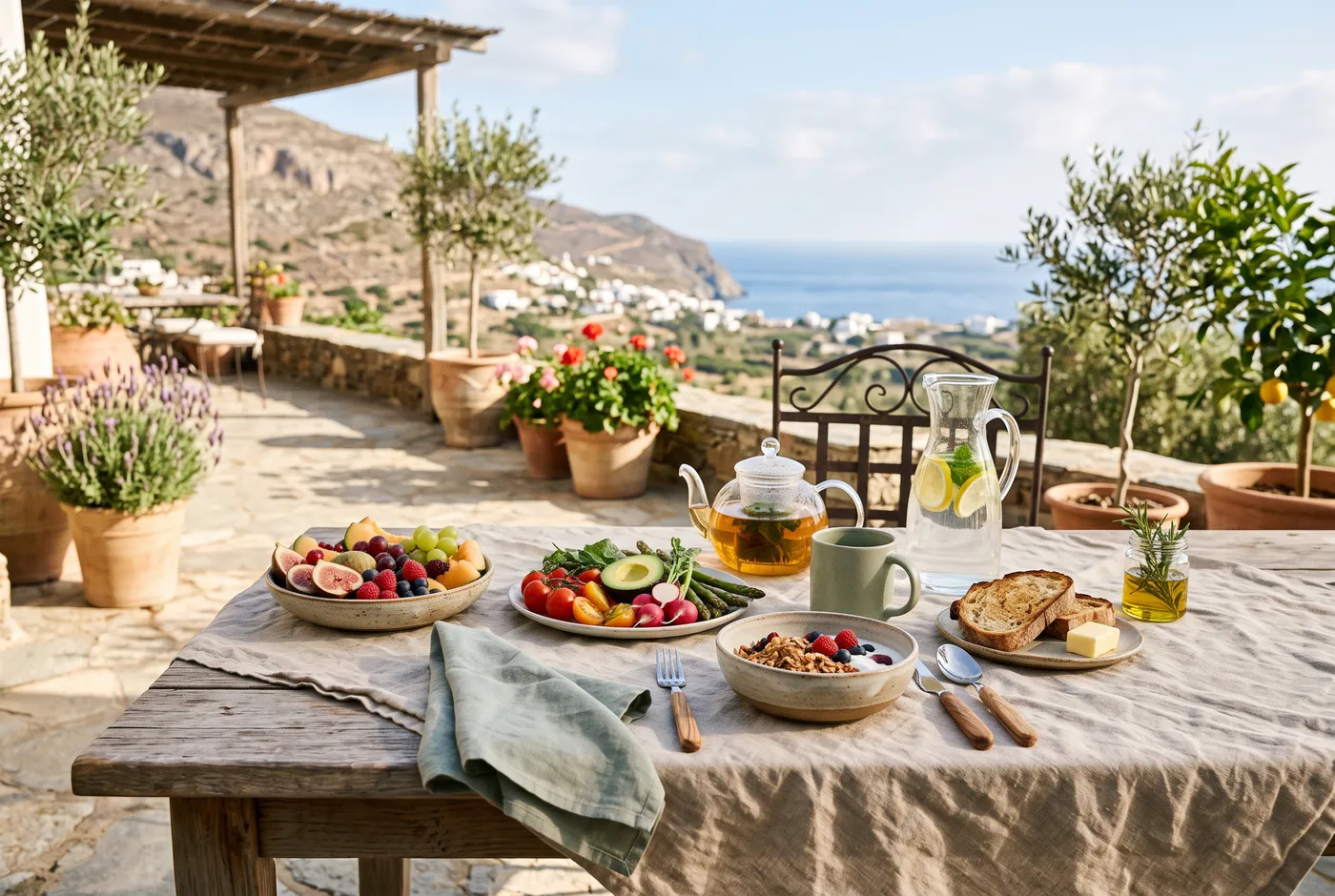
Detox and nutrition retreats
Simple food, no alcohol, more sleep and daily movement. What detox retreats really offer, and what they cannot.
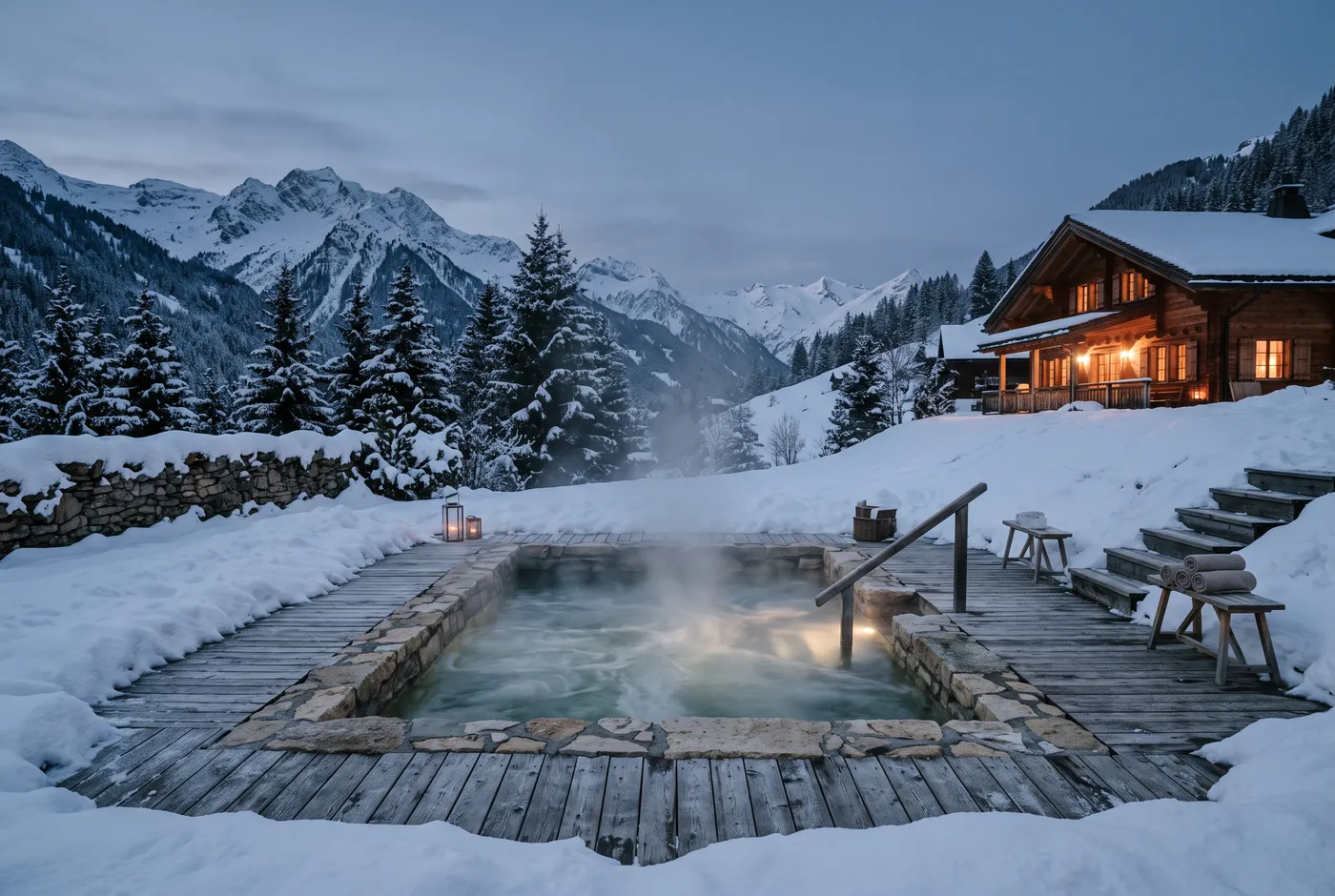
Spa and thermal retreats
Thermal springs, sauna rituals and onsen. The gentlest retreat type, and how to make the most of it.
From the journal
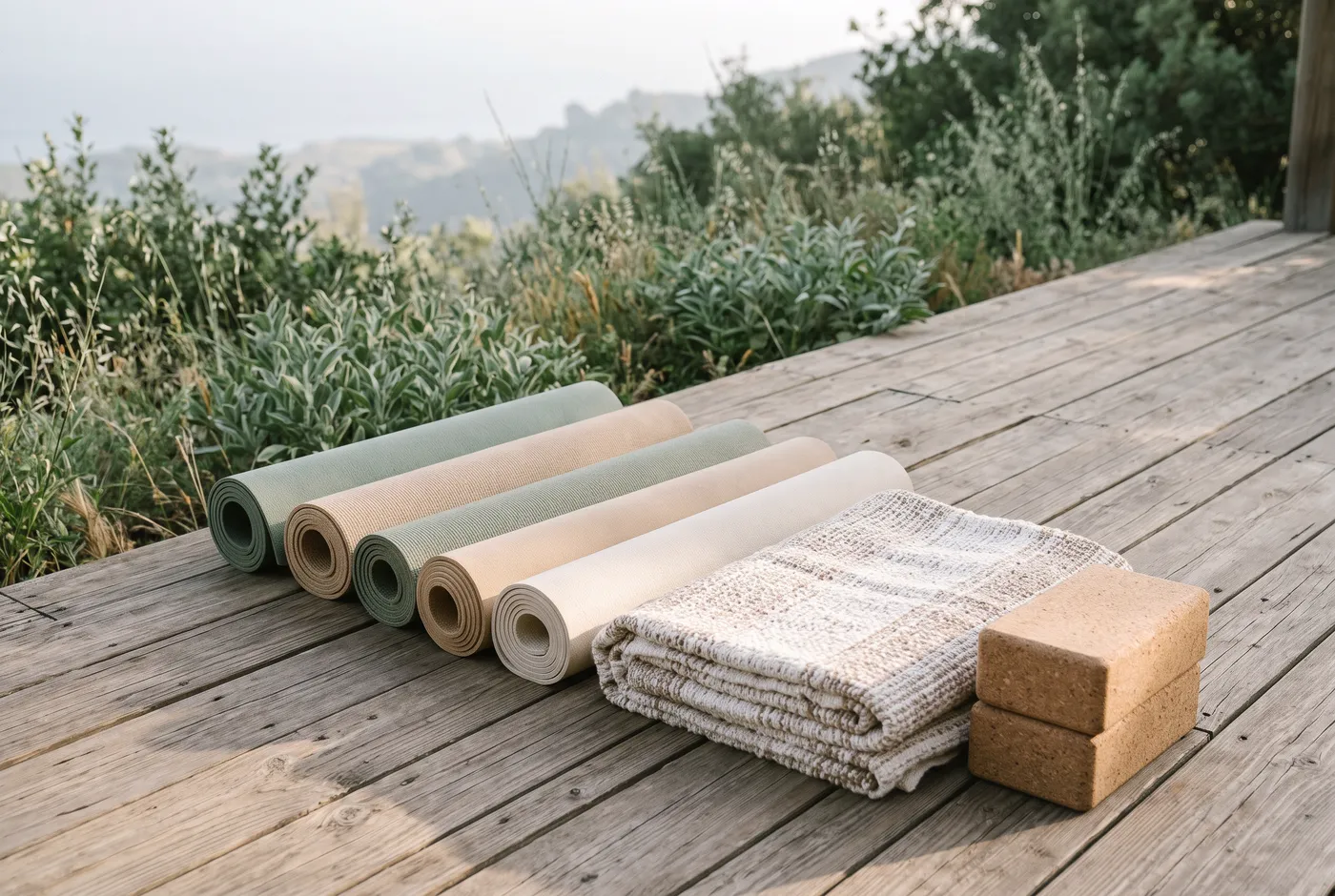
Your first yoga retreat: what to expect, day by day
A typical day, how fit you need to be, what to pack and how to pick a beginner-friendly retreat.
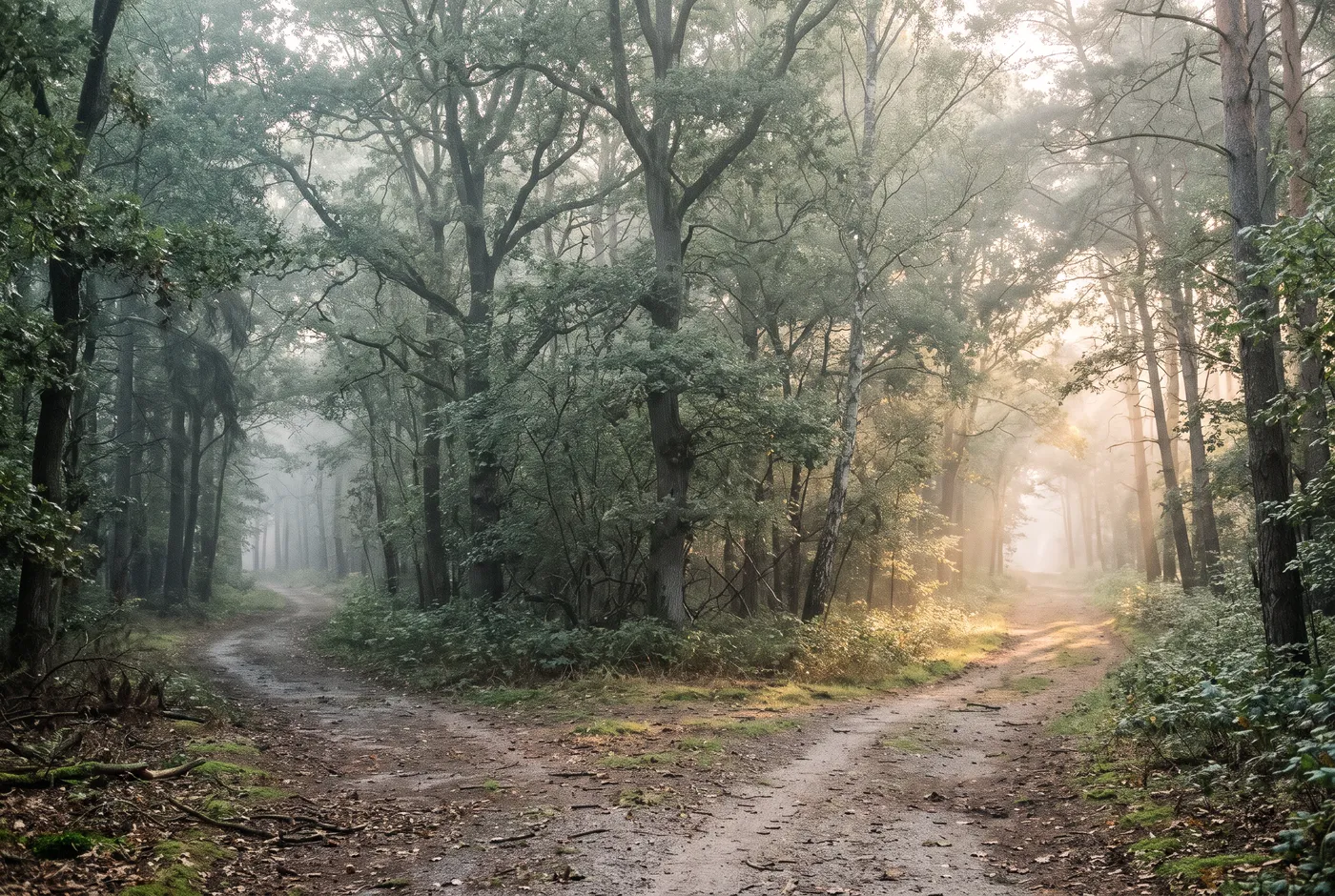
How to spot a good retreat (and the red flags)
Qualifications, health screening, refunds and safety: what good looks like and when to walk away.
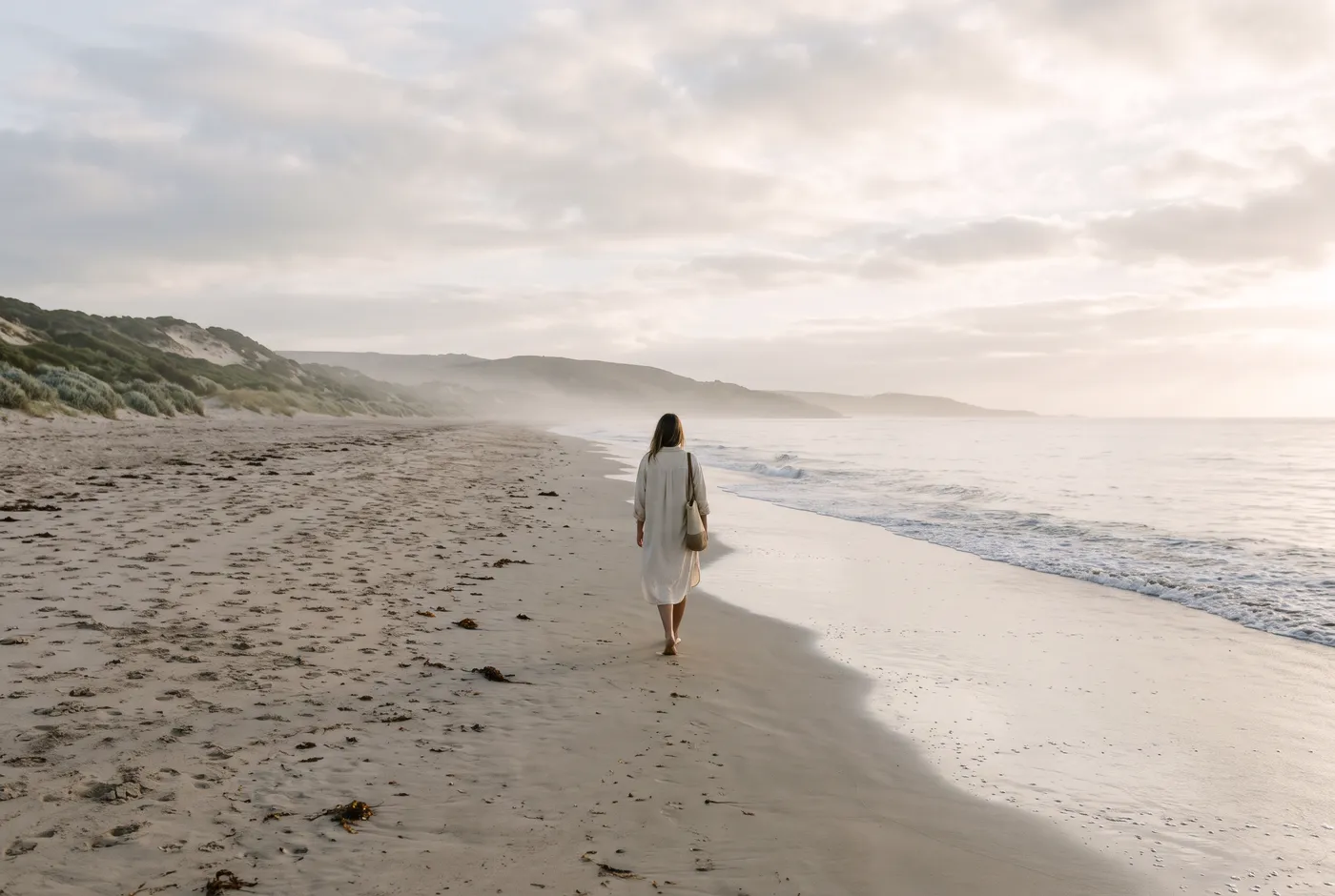
Going on a retreat alone: what to know before you book
Why a retreat is one of the easiest ways to travel alone, and how to choose the format, room and place.
Tell us how you want to feel.
Send us your wishes in a few clicks. We read every message and reply personally with retreat types, places and good questions to ask hosts.
Plan your retreat